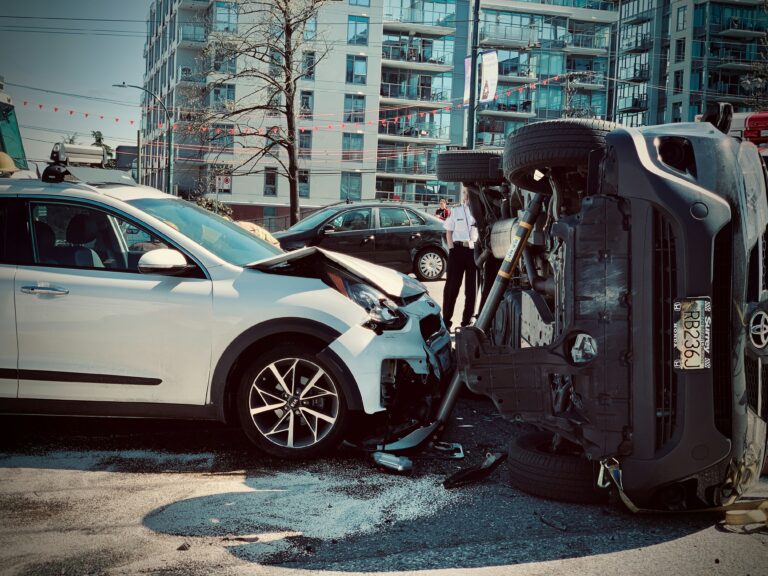

If a minor causes a car accident in Georgia, you can usually recover through insurance, most often the auto policy that covers the teen driver or the family vehicle. You may also be able to hold a parent or vehicle owner responsible under Georgia’s family purpose doctrine or for negligently letting an unsafe teen drive. And contrary to a common belief, a teenage driver can be sued directly in Georgia.
Knowing who is responsible matters most when your injuries are serious and the policy limits may not be enough. Here is how Georgia law handles crashes caused by underage drivers and what you should do to protect your claim.
Key Takeaways
- A minor who is at least 13 can be held liable for their own negligence in Georgia (O.C.G.A. § 51-11-6), though claims are usually paid by insurance.
- Under the family purpose doctrine, a parent who provides a car for family use may be liable when a family member causes a crash while driving it with permission.
- A parent who lets a teen drive knowing the teen is reckless or unfit may face a negligent entrustment claim.
- Georgia’s parental liability statute for willful or malicious acts is capped at $10,000, but it does not limit family purpose or other claims.
- If coverage runs short, your own uninsured/underinsured motorist coverage may help.
Can You Sue a Minor for a Car Accident in Georgia?
Yes. Under O.C.G.A. § 51-11-6, being a minor is not a defense to a negligence claim once the child has reached the age of criminal responsibility, which in Georgia is 13. That means a teen driver who causes a crash can generally be named in a claim or lawsuit, usually with a parent or guardian involved in the case.
In practice, the teen rarely pays out of pocket. The claim is typically handled by the insurance company that covers the teen or the vehicle. The real question is usually how much coverage is available and whether anyone else, such as a parent or vehicle owner, is also responsible.
When Parents Can Be Held Responsible
The Family Purpose Doctrine
Georgia courts have long applied the family purpose doctrine. In general, a parent or other head of household who owns or controls a vehicle and makes it available for family use can be liable when a family member causes a crash while driving it with permission for a family purpose. The doctrine is a court-made rule, and each element has to be proven, so the facts about who owned the car, who controlled it and why the teen was driving matter.
Negligent Entrustment
A parent or vehicle owner may also be liable for negligent entrustment if they let a teen drive when they knew, or should have known, that the teen was an unsafe driver, for example because of prior crashes, reckless driving or substance use.
Georgia’s Parental Liability Statute
O.C.G.A. § 51-2-3 makes parents liable for their minor child’s willful or malicious acts that cause medical expenses or property damage, up to $10,000 plus court costs. Most car crashes involve carelessness rather than malice, so this statute usually is not the main path. The statute expressly says it does not limit claims under the family purpose doctrine or other law.
Why Teen Driver Crashes Happen
The CDC reports that drivers ages 16 to 19 have a fatal crash rate almost three times as high as drivers ages 20 and older per mile driven. Inexperience plays a large role, along with:
- Speeding and following too closely
- Distracted driving, including phone use
- Driving with teen passengers
- Nighttime driving
- Driving under the influence
Evidence of any of these behaviors can help show the teen driver was negligent.
How Insurance Pays After a Crash with a Teen Driver
Georgia is an at-fault state, so your injury claim generally goes to the liability insurer covering the at-fault driver. Georgia’s minimum liability limits are $25,000 per person and $50,000 per accident for bodily injury, which may not be enough for serious injuries.
If the teen’s coverage is too low, you may be able to turn to your own uninsured/underinsured motorist coverage. In Georgia, “added-on” UM coverage is the default unless the policyholder chose reduced coverage in writing (O.C.G.A. § 33-7-11). Our guide to why your own UM carrier may fight you explains what to expect.
Georgia also uses modified comparative fault (O.C.G.A. § 51-12-33). The insurer may try to shift part of the blame to you. You can recover as long as you are less than 50% at fault, but your award is reduced by your share.
What to Do After an Accident with a Teen Driver
- Call 911 and stay calm. Let the police document the scene and the drivers involved.
- Get insurance and ownership details. Ask for the teen driver’s insurance and note who owns the vehicle. The registered owner may be a parent.
- Note signs of impairment or distraction. Tell the officer if you saw phone use, reckless driving or signs of alcohol or drugs.
- Take photos and get witness names. Capture the vehicles, road and any visible injuries.
- Get medical care right away. Prompt treatment protects your health and documents your injuries.
- Talk to a lawyer before giving a recorded statement to the other driver’s insurer or accepting an offer.
For a printable checklist, see our free After the Wreck guide.
Frequently Asked Questions
Are Parents Automatically Liable When Their Teen Causes a Crash?
No. Parents are not automatically liable just because they are parents. Liability usually depends on the family purpose doctrine, negligent entrustment or ownership of the vehicle. In many cases, the family’s auto insurance pays the claim.
What If the Teen Was Driving Without Permission?
Permission is an element of the family purpose doctrine, so a parent may not be liable under that theory if the teen took the car without permission. The teen can still be responsible, and other coverage, such as your own UM coverage, may apply.
What If My Damages Exceed the Insurance Limits?
You may be able to pursue the teen, a liable parent or vehicle owner, or your own underinsured motorist coverage. A lawyer can identify every policy and responsible party. Our guide to Georgia car accident case value explains what goes into a claim.
How Long Do I Have to File a Claim?
Most Georgia personal injury lawsuits must be filed within two years of the crash (O.C.G.A. § 9-3-33). Property damage claims generally have four years (O.C.G.A. § 9-3-31).
If a minor driver injured you or someone you love, talk with our car accident lawyers about who may be responsible. The consultation is free and there is no obligation, and there is no fee unless we recover for you. Call 888-BIG-GUNN (888-244-4866).