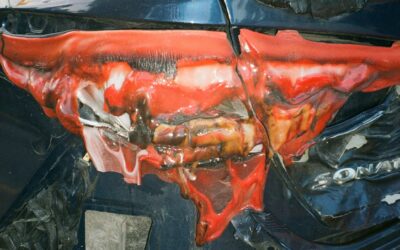

January is when work commutes ramp back up, and with that comes more city trucks, county vehicles, and state-owned vehicles on the road. If you’re hit by a government vehicle (or injured on a city bus), your claim is not handled like a normal car wreck. One of the biggest traps is time: you may have to send a special written notice (often called an “ante litem notice”) long before Georgia’s usual injury statute of limitations becomes an issue.
Here’s what to know if a government vehicle crash happened to you in Atlanta or anywhere in Georgia.
Why government claims are different
Government agencies and public entities have protections under sovereign immunity. In many cases you can still pursue a claim, but only if you follow very specific rules and meet strict notice deadlines. Miss the notice window and the claim can get thrown out—even if the government driver was clearly at fault.
The most common deadlines (and why you should act fast)
The exact deadline depends on who the at-fault government entity is:
If it’s a city vehicle (like City of Atlanta): Georgia law generally requires written notice to the city within 6 months of the incident.
If it’s a county vehicle: Georgia law requires claims against counties to be presented within 12 months.
If it’s a State of Georgia vehicle/agency: Under the Georgia Tort Claims Act, notice is generally required within 12 months.
These notices aren’t just “FYI” letters. They typically need key details like the time, place, what happened, how the agency was negligent, and the extent of your injuries.
What to do right after the crash
If you suspect the other driver works for a government entity, take these steps:
- Call 911 and get a police report.
- Photograph everything (vehicles, tags/markings, scene, injuries, traffic signals).
- Identify the entity: City, County, State agency, or a public transit authority. Get the driver’s name, badge/employee ID if available, and the vehicle number.
- Get witness info (names and phone numbers).
- Get medical care the same day if possible. A delayed visit is one of the first things insurers use to minimize injuries.
- Do not give a recorded statement to any adjuster before you get legal guidance.
- Talk to an attorney quickly because the notice deadlines can run before you’re even done treating.
What damages can be part of the claim?
A properly handled case can include compensation for:
- Medical bills and future treatment
- Lost wages and reduced earning capacity
- Pain and suffering
- Out-of-pocket costs tied to your injury
How Gunn Law Group can help
Government-vehicle claims are not the time for guesswork. The process is deadline-driven, detail-driven, and insurance companies know most people don’t realize the rules change when a public entity is involved.
If you were injured by a city, county, or state vehicle in Georgia, focus on your health first—and let us handle the strategy and the paperwork. Need a home run? Call the Big Gunn at 888-BIG-GUNN for a free case review.
(This blog is for general information and is not legal advice. Every case is different.)
Injured in a Work-Related Car Crash in Georgia: You May Have Two Claims (Not Just One)
January means more commuters, more delivery routes, and more “back to business” driving. If you’re hurt in a crash while you’re working—driving to a job site, making deliveries, running a work errand, or traveling between locations—you might assume it’s “just an insurance claim.” But in Georgia, many on-the-job car wrecks can involve two separate legal paths: a workers’ compensation claim and a third-party injury claim.
When workers’ comp applies
Workers’ compensation may cover you if the crash happened while you were performing job duties. In many cases, workers’ comp can help with:
- Medical treatment related to the injury
- A portion of lost wages if you can’t work
- Certain disability benefits, depending on the case
But workers’ comp typically does not pay for pain and suffering.
When a third-party claim applies
If someone outside your employer caused the crash—another driver, a trucking company, a rideshare driver, or a vehicle owner—you may also have a third-party personal injury claim. This is where full damages can come into play, including pain and suffering and the full value of lost income.
In plain English: workers’ comp helps you heal and keep stability. A third-party claim helps you get paid what the crash truly cost you.
Common January scenarios we see
- Delivery drivers hit while rushing routes after holiday returns
- Construction crews traveling to sites in early-morning traffic
- Sales reps or managers injured while driving between meetings
- Employees injured in company vehicles
- Workers struck in parking lots while clocking in or out
What to do in the first 24–72 hours
If you’re injured in a work-related crash, these steps protect both your health and your case:
- Report the crash and request the police report
- Tell your employer as soon as possible that the injury happened while working
- Get medical care immediately and follow treatment instructions
- Document your work purpose (delivery manifest, calendar invite, text from supervisor, job ticket)
- Avoid social media posts about the wreck or your injuries
- Don’t accept a quick settlement before you know your medical outlook
- Speak with an attorney to map out the workers’ comp + third-party strategy
Why this gets complicated fast
Insurance companies often try to push work-related crashes into one box so they can pay less. And when multiple coverages are involved, mistakes can happen—missed wages, gaps in treatment, or pressure to settle before you’re medically stable.
How Gunn Law Group can help
At Gunn Law Group, we start with the same priority every time: your treatment and your recovery. Then we build the case value the right way—by documenting medical needs, income impact, and who is truly responsible.
If you were hurt in a work-related crash in Georgia, don’t let the process get messy or leave money on the table. Call the Big Gunn at 888-BIG-GUNN for a free case review.
(This blog is for general information and is not legal advice. Results vary based on facts and coverage.)