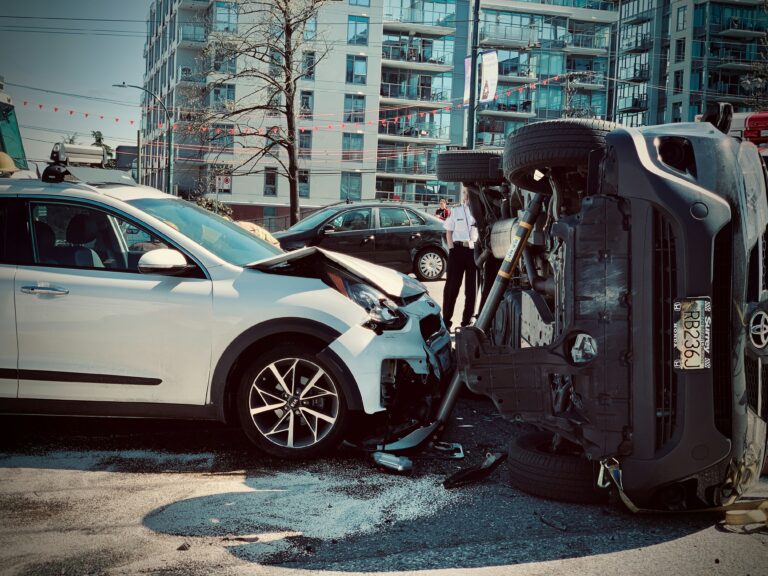
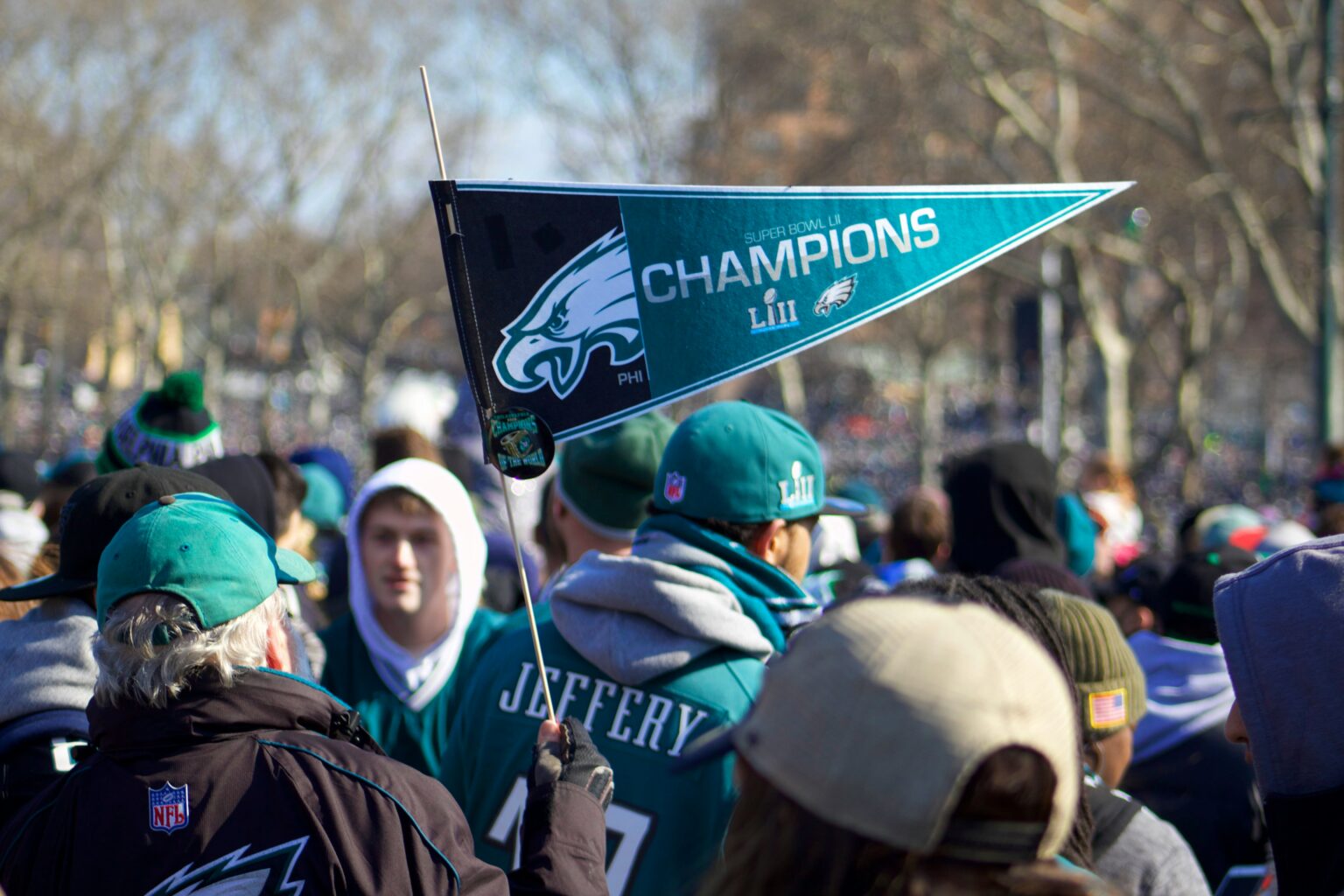
Super Bowl weekend in early February fills Georgia roads with people heading to and from watch parties, packed restaurants and bars, with rideshare pickups and late-night drives home. When alcohol, distraction and heavy traffic mix, crashes happen, and many that look “minor” at first turn into real injury claims once symptoms set in and the bills arrive.
If you are hurt in a car accident on Super Bowl weekend, the steps you take in the first 24 to 48 hours matter most: get medical care, document the scene, find witnesses and video, and be careful what you say to insurance companies. If the other driver had been drinking, Georgia law may give you additional options.
Key Takeaways
- Get checked out even if you feel fine; concussions and whiplash often show up later.
- Photos, witness names and business video disappear fast, so collect them right away.
- If you suspect the other driver was impaired, tell the police what you observed.
- A drunk driver can face punitive damages, and a bar or host who knowingly served a visibly intoxicated driver may share responsibility.
- Rideshare, uninsured motorist and other coverage may be available beyond the at-fault driver’s policy.
Why Crashes Happen on Super Bowl Weekend
Super Bowl crashes usually happen for predictable reasons:
- Distraction. Drivers check scores, texts and social media behind the wheel. Georgia’s hands-free law (O.C.G.A. § 40-6-241) bars holding a phone while driving, but many people still do.
- Drinking and driving. Some people drive after the game because they “feel fine” or only have a few miles to go.
- Chaotic parking lots and neighborhood streets. Cars pull in and out while people walk through dim areas near homes, bars and restaurants.
- Rideshare stops. Drivers stop suddenly to pick up or drop off passengers.
- Weather and speed. February rain, darkness and speeding on the way home lead to rear-end, lane-change and intersection crashes.
What to Do After a Crash on Super Bowl Weekend
- Call 911 and get checked out. If police respond, make sure an official report is created. Georgia requires crashes with injuries to be reported to police (O.C.G.A. § 40-6-273). Medical care matters for your health and for linking your injuries to the crash.
- Document the scene if it is safe. Photograph the vehicles, damage, license plates, traffic lights or signs, skid marks and the roadway. If it is dark, capture the lighting conditions too.
- Get witness information. Partygoers, restaurant staff and other drivers may have seen what happened. Get names and phone numbers quickly, because people leave.
- Look for cameras. Many crashes near bars, gas stations and shopping centers are recorded. Ask businesses to preserve footage before it is recorded over.
- Tell police what you noticed about the other driver. The smell of alcohol, slurred speech, open containers or admissions at the scene can matter later. You are not accusing anyone; you are recording facts.
- Be careful with insurance calls. Provide basic facts only and avoid guessing about speed, fault or injuries. You generally do not have to give a recorded statement to the other driver’s insurer.
- Stay off social media. No jokes, no “I’m fine,” no photos and no check-ins. Insurers look for posts to argue you were not hurt.
Our After the Wreck guide covers these steps and the deadlines that follow.
When the Other Driver Was Drunk
In Georgia, it is illegal to drive with a blood alcohol concentration of 0.08 or more, or while impaired to the point of being less safe. A criminal DUI case and your injury claim are separate. The criminal case is about penalties; your civil claim is about paying for your injuries.
DUI crashes can change a civil case in important ways. Georgia generally caps punitive damages at $250,000, but under O.C.G.A. § 51-12-5.1 that cap does not apply when the at-fault driver was under the influence of alcohol or drugs to the point that judgment was substantially impaired. Our drunk driving accident lawyers can explain how this may apply to your crash.
Can a Bar or Party Host Be Responsible?
Sometimes. Georgia’s dram shop law, O.C.G.A. § 51-1-40, generally protects people who serve alcohol to adults. But a bar, restaurant or social host may be liable if they knowingly served someone who was noticeably intoxicated, or willfully and unlawfully served someone under 21, knowing that person would soon be driving, and the serving was a proximate cause of the crash. These claims depend heavily on the facts, so witness names and receipts from the scene can matter.
Rideshare, Pedestrian and Other Super Bowl Crashes
Not every Super Bowl weekend crash is a two-car wreck.
- Rideshare crashes. If an Uber or Lyft is involved, screenshot the trip details, driver name and time stamps. Coverage depends on the driver’s status in the app, and Georgia requires $1 million in liability coverage during a ride. See our Uber and Lyft accident page.
- Pedestrians. People walking to and from parties, bars and parking areas at night are at real risk. Our pedestrian accident page explains those claims.
- Uninsured or underinsured drivers. If the at-fault driver has no insurance or too little, your own uninsured motorist coverage may help. Our guide to Georgia UM coverage explains how it works.
Why Fault and Deadlines Still Matter
Georgia uses modified comparative fault. Under O.C.G.A. § 51-12-33, your damages are reduced by your share of fault, and you recover nothing if you are 50 percent or more at fault. Even when the other driver was drinking, insurers may argue you were speeding, distracted or should have avoided the crash. Clear evidence gathered early is the best answer.
Most Georgia personal injury claims must be filed within two years of the crash (O.C.G.A. § 9-3-33). Evidence such as video and witness memories fades much faster, so acting early matters.
Frequently Asked Questions
What Should I Do If I Think the Driver Who Hit Me Was Drunk?
Call 911, stay safe and tell the responding officer what you observed, such as the smell of alcohol, slurred speech or open containers. Get medical care and collect witness names. Those details can support both the police investigation and your injury claim.
Can I Sue a Bar That Served a Drunk Driver in Georgia?
In limited situations. Under O.C.G.A. § 51-1-40, a server may be liable if they knowingly served a noticeably intoxicated person, or willfully and unlawfully served someone under 21, knowing the person would soon be driving. The facts of how and when the driver was served are key.
Does a DUI Conviction Help My Injury Claim?
It can be strong evidence, but you do not need a conviction to bring a civil claim, and the civil case follows its own rules. A DUI can also open the door to punitive damages without Georgia’s usual $250,000 cap.
What If the Driver Who Hit Me Has No Insurance?
Your own uninsured motorist coverage may pay for your injuries. In Georgia, UM coverage is “added on” to the at-fault driver’s coverage by default unless the policyholder chose otherwise in writing.
If a Super Bowl weekend crash left you hurt, you do not have to deal with the insurance companies alone. The Gunn Law Group offers a free, no-obligation consultation, and there is no attorney fee unless we recover for you. Call 888-BIG-GUNN (888-244-4866) to talk about your Georgia car accident claim.