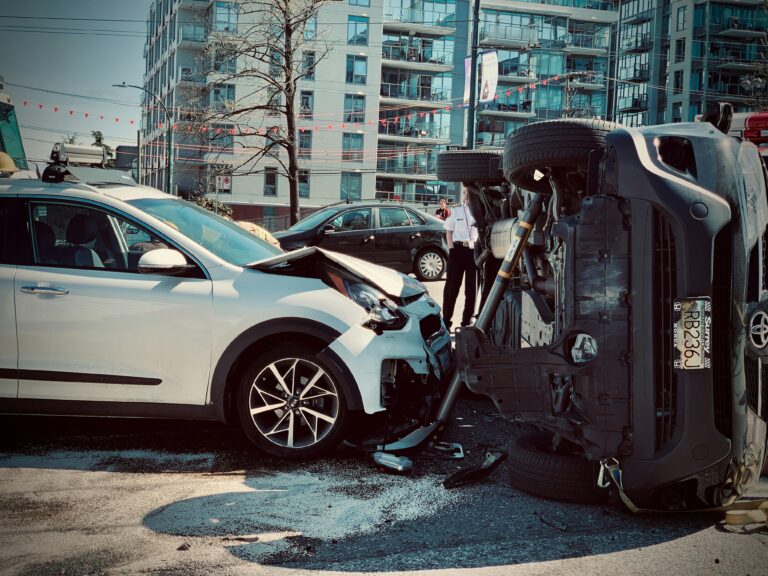
Georgia Rear-End Accidents: Fault, Injuries and Your Claim
A rear-end crash can look minor and still cause real injuries. Learn how Georgia decides fault, which injuries are common, and how to protect your claim from day one.
4.9 · 500+ Google reviews
Free, confidential review
$0 upfront cost
Hablamos Español
Buckhead & Norcross offices
Free Case Review
Talk to Our Team Today
A real attorney will respond. Your information is 100% confidential.
Confidential · No obligation · No fee unless we recover for you
Interactive checklist
After a Rear-End Crash
Rear-end crashes are often called minor. Injuries can still be serious.
Why it matters
Neck and back injuries often show up hours or days later.
Why it matters
Damage photos help show the force of the impact.
Why it matters
You will need it for the claim.
Why it matters
It often notes who was following too closely.
Why it matters
Gaps in care are used to argue the injury was minor.
Why it matters
Lost wages are part of the claim.
Why it matters
Early offers often come before you know the full cost of treatment.
Why it matters
A short free call can help you protect your claim.
General information, not legal advice. Every case is different.
4.9 / 5
500+ Google reviews
Millions
Recovered for Georgians
$0
Unless we recover for you
2 Offices
Buckhead & Norcross
Overview
Why Rear-End Crashes Are Often Underestimated
Rear-end collisions happen every day on Georgia roads, from stop-and-go traffic on I-285 to red lights on surface streets. Because many happen at lower speeds and leave only a dented bumper, they are often labeled “minor” at the scene. People exchange information, say they feel fine and drive away.
The trouble is that a vehicle’s damage and a person’s injuries are two different things. The sudden forward jolt of being hit from behind can strain the neck and back even when the car looks nearly untouched. Many people first notice pain the next morning or several days later. By then, the insurance claim may already be moving.
This page explains how fault works in a Georgia rear-end crash, the injuries these collisions commonly cause, and how to document your case so it is judged on the facts.
On this page
Talk to an Attorney Today
Free case review. No fee unless we recover for you.
Call 888-BIG-GUNNRequest a Free Case ReviewWho Is at Fault in a Georgia Rear-End Collision?
Georgia’s following-too-closely law, O.C.G.A. § 40-6-49, says a driver “shall not follow another vehicle more closely than is reasonable and prudent, having due regard for the speed of such vehicles and the traffic upon and the condition of the highway.” A driver who hits a car from behind has often failed to keep a safe distance, failed to pay attention or was driving too fast for conditions.
Still, fault is not automatic. No Georgia statute creates a presumption that the rear driver is at fault. The Supreme Court of Georgia has held that liability in rear-end cases is generally a question for the jury, decided on the facts of diligence, negligence and proximate cause (Atlanta Coca-Cola Bottling Co. v. Jones, 1976). In practice, the following driver is frequently found responsible, but the insurer may raise defenses such as these:
Sudden Emergency
The rear driver may claim a sudden peril, one they did not help create, left no time to react. Georgia courts allow this defense only in limited situations, and it doesn’t apply if the driver’s own speed or inattention helped cause the emergency.
Sudden Stop or Brake-Checking
The insurer may argue the front driver stopped or slowed without reason. Dashcam video, witness statements and the crash report often matter a great deal here.
Brake Lights and Vehicle Condition
If the lead vehicle’s brake lights weren’t working, the defense may argue the rear driver had no warning. Repair records and photos can help answer this.
Chain-Reaction Crashes
In multi-car pileups, more than one driver may share fault, and several insurers may be involved. Sorting out who hit whom, and in what order, often depends on the physical evidence and the Georgia crash report.
Comparative Fault
Georgia uses modified comparative fault under O.C.G.A. § 51-12-33. If you are found partly at fault, your damages are reduced by your percentage of fault. If you are 50 percent or more at fault, you recover nothing.
Common Rear-End Collision Injuries
The injuries below are commonly reported after rear-end crashes. Only a doctor can diagnose what you have, so get evaluated even if your symptoms seem mild.
Whiplash and Soft Tissue Injuries
Whiplash is a neck injury caused by forceful, rapid back-and-forth movement of the neck, and rear-end collisions are one of its most common causes. Symptoms can include neck pain and stiffness, reduced range of motion, headaches at the base of the skull, shoulder or upper back pain, and tingling or numbness in the arms.
Herniated and Bulging Discs
The force of a rear impact can injure the discs between the vertebrae in the neck or lower back. Disc injuries may cause radiating pain, numbness or weakness, and they are usually confirmed with imaging such as an MRI.
Concussion and Brain Injury
You don’t have to hit your head to suffer a concussion. The CDC explains that a hit to the body that causes the head and brain to move quickly back and forth can cause one. Warning signs include headaches, confusion, memory problems and changes in mood or sleep.
Shoulder and Back Injuries
Bracing against the steering wheel, the seat belt and the seat itself can strain the shoulders, mid-back and lower back.
4.9 · 500+ Google reviews
“Alexis and Landon were amazing! They communicated very well throughout the process and took really good care of me.”
— Steffon M., Google review
4.9 · 500+ Google reviews
“I had an excellent experience with Gunn Law Group. Landon and Laura were both great — professional, knowledgeable, and truly dedicated to helping their clients.”
— Itoo B., Google review
Why Symptoms Can Show Up Days Later
Many rear-end injuries don’t announce themselves at the scene. According to the Mayo Clinic, whiplash symptoms most often start within days of the injury. The CDC notes that some concussion symptoms may not appear for hours or days. Adrenaline and shock can also mask pain in the first hours after a crash.
This matters for your health and your claim. Insurers often point to a gap between the crash and your first medical visit to argue that something else caused your pain. The safest course is to get checked promptly, tell the provider exactly what happened, and go back if new symptoms appear. Seek emergency care right away for danger signs such as a worsening headache, repeated vomiting, slurred speech, weakness or numbness, or unusual confusion.
The “Low Property Damage” Defense
Insurers sometimes group claims with little vehicle damage and soft tissue injuries into a category known in the industry as MIST, short for “minor impact, soft tissue.” In these claims, an adjuster may argue that a small dent means the impact was too gentle to hurt anyone, and may offer a low amount or deny the injury claim.
Vehicle damage is one piece of evidence, but it is not a medical diagnosis. Bumpers and frames are built to absorb and resist impact, so a car can look fine while the people inside were jolted hard. Your age, posture, whether you were turned in your seat, and prior conditions can all affect how your body responds.
The best answer to this defense is good documentation: photos of both vehicles, repair estimates, the crash report, prompt medical records and your treating doctor’s opinion about what caused your symptoms.
Call the Big Gunn
888-BIG-GUNNHow to Document Your Treatment and Your Claim
1
Get Evaluated Promptly
See a doctor, urgent care or emergency room soon after the crash, even if you feel mostly fine.
2
Describe Every Symptom
Tell each provider about all your symptoms, including headaches, sleep problems and numbness, and mention that you were rear-ended.
3
Follow the Treatment Plan
Keep appointments, finish physical therapy and fill prescriptions. Gaps and missed visits are often used to argue that you recovered or weren’t really hurt.
4
Keep Your Records Organized
Save bills, receipts, imaging reports, work notes and mileage to appointments. Keep a short daily journal of pain levels and activities you can’t do.
5
Preserve Crash Evidence
Keep photos, dashcam footage, witness contact information and the crash report number. Ask nearby businesses about video quickly, since footage is often erased.
6
Be Careful With Insurers and Social Media
Avoid recorded statements to the other driver’s insurer until you have advice, and keep social media private. See our guide to insurance lowball tactics for more.
How Georgia’s 2025 Tort Reform Law Affects Rear-End Claims
Georgia’s tort reform law, SB 68, was signed on April 21, 2025. Several of its changes can matter in a rear-end case.
Seat Belt Evidence
Before SB 68, O.C.G.A. § 40-8-76.1(d) generally kept evidence that someone wasn’t wearing a seat belt out of civil cases. It now allows that evidence to be considered on negligence, comparative negligence, causation, assumption of the risk and apportionment of fault, and it may be used to reduce recovery. Admission is still subject to Georgia’s rules of evidence. The Act states it is meant to apply to pending cases unless that would be unconstitutional, so how it applies to older crashes may be litigated.
How Medical Expenses Are Proven
For claims arising on or after April 21, 2025, new O.C.G.A. § 51-12-1.1 limits medical expense damages to the reasonable value of medically necessary care, as decided by the jury. The jury may consider both the amounts charged and the amounts actually needed to satisfy those charges under health insurance. Letters of protection and related billing arrangements are also discoverable. This makes complete, accurate treatment and billing records even more important.
Arguments About Pain and Suffering
Under amended O.C.G.A. § 9-10-184, any amount suggested to a jury for noneconomic damages must be rationally related to the evidence. Learn more about pain and suffering damages in Georgia.
Deadlines to Keep in Mind
Most Georgia personal injury claims must be filed within two years under O.C.G.A. § 9-3-33. Waiting also makes evidence harder to find, since video is overwritten and memories fade. Read more about Georgia injury deadlines.
FAQ
Frequently Asked Questions
No. Georgia has no statute that makes the rear driver automatically at fault, and the Supreme Court of Georgia treats liability in rear-end cases as generally a question for the jury. The following driver is often found responsible under the following-too-closely law, O.C.G.A. § 40-6-49, but defenses such as sudden emergency or comparative fault can come into play.
Delayed symptoms are common. The Mayo Clinic says whiplash symptoms most often start within days, and the CDC notes that some concussion symptoms may not appear for hours or days. See a doctor promptly and return if new symptoms develop.
Yes, you can. Vehicle damage doesn’t measure what happened to your body, although insurers often argue that low damage means low injury. Photos, repair records, prompt medical care and your doctor’s opinion on causation are the best response.
After SB 68, Georgia law allows evidence that you weren’t wearing a seat belt to be considered on fault, causation and damages, subject to the rules of evidence. It can reduce what you recover, but it doesn’t automatically bar your claim. How it applies depends on the facts and when the case arose.
More than one driver may share fault, and each may have a different insurer. The order of impacts, the crash report and any video are especially important. Georgia’s comparative fault law, O.C.G.A. § 51-12-33, is used to divide responsibility among the parties.
For most personal injury claims, the deadline is two years under O.C.G.A. § 9-3-33. Some claims, such as those involving government vehicles, can have shorter notice requirements, so it is best to get advice early.
Talk to a Georgia Rear-End Accident Lawyer
If you were hit from behind and are dealing with pain, bills or an insurer calling your crash “minor,” get answers before you settle. Learn more about our Atlanta car accident practice or read After the Wreck for next steps. The Gunn Law Group has offices in Buckhead and Norcross, there is no attorney fee unless we recover for you, and hablamos español. Call 888-BIG-GUNN (888-244-4866) for a free, no-obligation consultation.
Visit or call
Two Offices Serving All of Georgia
We represent injured people throughout Metro Atlanta and across Georgia, with free consultations by phone, by video or in person. Hablamos español.
Atlanta Office (Buckhead)
950 E. Paces Ferry Rd NE, Suite 1550
Atlanta, GA 30326
Monday–Friday, 9:00 AM – 6:00 PM
Call Buckhead: 770-800-0945Norcross / Gwinnett County Office
5955 Jimmy Carter Blvd, Suite 149
Norcross, GA 30071
Monday–Friday, 9:00 AM – 6:00 PM
Call Norcross: 678-200-0273Attorney advertising. This page is a communication from The Gunn Law Group, 950 E. Paces Ferry Rd NE, Suite 1550, Atlanta, GA 30326. Responsible attorney: Harrell Gunn. The information on this page is general information, not legal advice, and contacting us does not create an attorney-client relationship. Past results and client reviews do not guarantee a similar outcome; every case depends on its own facts. “No fee unless we recover for you” refers only to fees charged by the attorney. Court costs and other additional expenses of legal action usually must be paid by the client. Contingent fees are not permitted in all types of cases. Privacy Policy · Disclaimer · Terms
Free attorney help
Hurt in a rear-end crash?
We can help you document your injuries and deal with the insurer. Free case review, no attorney fee unless we recover for you.