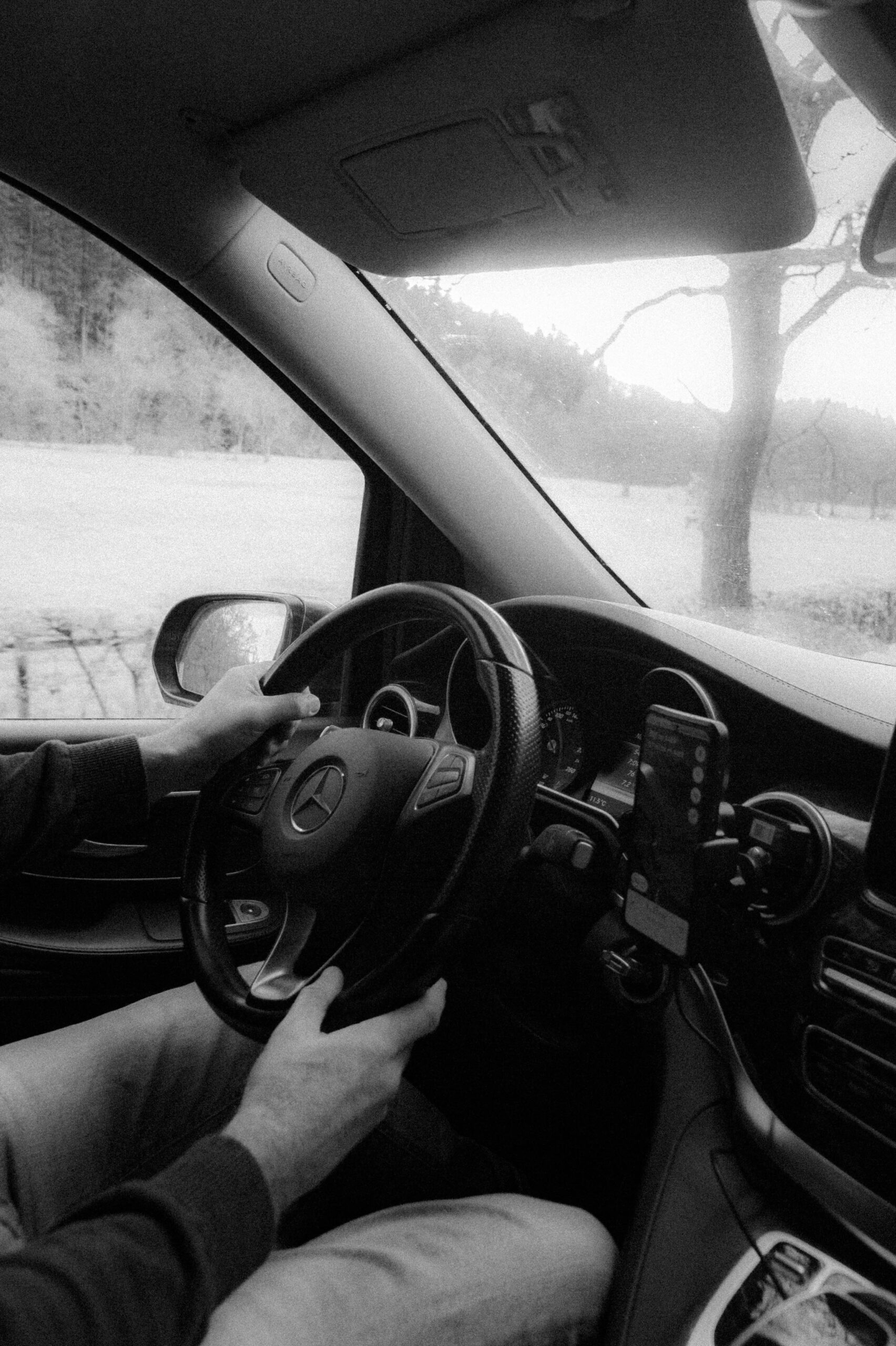
Look at the drivers around you at any Atlanta red light and count the glowing screens. Distracted driving is the quiet epidemic behind rear-end crashes on the Connector, drifting lane-change wrecks on I-285, and pedestrians hit in crosswalks. If a driver hurt you while looking at a phone, Georgia law gives your case a weapon many victims never use.
The Hands-Free Georgia Act, in Plain English
Since 2018, Georgia’s Hands-Free Act (O.C.G.A. § 40-6-241) makes it illegal for drivers to:
- Hold a phone or support it with any part of the body (hand, lap, shoulder)
- Write, send, or read texts, emails, or social media while driving
- Watch or record videos behind the wheel
Voice-to-text, mounted GPS, and single-touch calls are allowed — but the moment a driver picks the phone up, they’re breaking the law. And in a civil case, that matters enormously.
Negligence Per Se: When the Violation Is the Case
In Georgia, violating a safety statute like the Hands-Free Act can establish negligence per se — the violation itself proves the driver breached their duty of care. Instead of arguing about what a “reasonable driver” would do, your lawyer proves the driver broke a law written to prevent exactly this kind of crash. A hands-free citation on the police report is gold. So is phone data showing a text sent 40 seconds before impact.
How We Prove the Driver Was on the Phone
- Cell phone records, subpoenaed in litigation, timestamp every call, text, and data burst against the moment of the crash.
- The citation and bodycam. Officers increasingly note “driver admitted looking at phone” — an admission that follows the driver into the civil case.
- Witnesses in adjacent cars who saw the glow, the bowed head, or the drift across the line.
- Crash physics. No braking before a rear-end impact is the signature of eyes that never came up.
- Vehicle and app data — infotainment logs and app activity can survive even when the driver deletes messages.
The catch: phone records and video don’t preserve themselves. Carriers purge data, and drivers delete. Preservation letters need to go out in days, not months.
Why Distraction Changes Settlement Value
Insurers price cases on risk. A garden-variety rear-end is one number; a driver who was texting through a school zone is another — because Georgia juries punish that conduct, and in egregious cases distracted driving can open the door to punitive damages arguments. Adjusters know it. That’s why they’ll settle distraction cases differently once the proof is locked down — and why they hope you never get the phone records.
What to Do After a Suspected Distraction Crash
- Tell the officer if you saw the phone — get it in the report.
- Get witness contacts before they scatter.
- Seek medical care the same day and follow through.
- Don’t discuss the crash with the other insurer; let counsel demand the phone data instead.
- Remember the two-year deadline (O.C.G.A. § 9-3-33) — but treat evidence like it expires in a week, because it often does.
Put the Phone in Their Hand — Legally
Gunn Law Group moves fast to lock down phone records, video, and vehicle data before they vanish, and builds distraction cases insurers can’t wave away. If a driver chose a screen over your safety, make that choice expensive.
Call 888-BIG-GUNN (888-244-4866) for a free case review. No fee unless we win. #CALLTHEBIGGUNN
This article is general information, not legal advice. Every case is different — talk to an attorney about your specific situation.