
If you were injured in a multi vehicle crash in Georgia, the insurance company may immediately start using one word to slow everything down. Complicated. In pileups, multiple drivers and multiple insurance policies may be involved, and insurers often point fingers to avoid paying. The good news is you can still recover even when fault is shared between drivers. The key is proving how the crash sequence happened and protecting your medical timeline before insurers try to assign you a percentage of blame.
What this means in real life
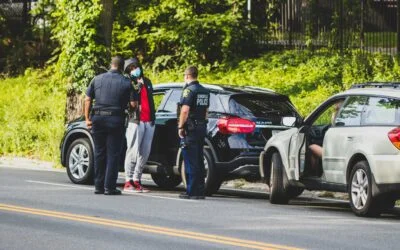
Multi car wrecks happen fast. One impact turns into three. Cars get pushed into each other. People move vehicles off the road. Statements get mixed up. By the time the police arrive, the positions may have changed and nobody agrees on who hit whom first. Insurers use that confusion to delay liability decisions and push low offers. In many cases, the best evidence is damage patterns, witness accounts, video footage, and early documentation.
How fault works in a Georgia pileup
In a multi vehicle crash, more than one driver can be responsible. One driver may start the chain, but another may be responsible for a separate impact. A driver in the middle may be hit from behind and pushed forward, or may have been following too closely even before being hit. Insurers analyze the sequence to decide who is liable for which injuries and which property damage.
Why insurers fight pileup claims harder
Pileup claims often involve.
Multiple adjusters and multiple insurance companies
Conflicting stories about timing and lane position
Arguments about sudden stops and following distance
Disputes about whether a middle driver is responsible
Multiple injured people competing for the same policy limits
When several people are hurt, the at fault policy can be exhausted quickly. That is one reason it is important to identify all possible coverages early.
Why this matters under Georgia’s 50 percent rule
Georgia follows a modified comparative fault rule. If you are found 50 percent or more responsible, you can be barred from recovering damages. In pileups, insurers frequently try to assign everyone a share of fault, even people who did little wrong. They may claim you were following too closely, stopped too suddenly, or changed lanes at the wrong moment. Evidence is what keeps your percentage from being inflated.
How UM and UIM coverage can become important in pileups
Pileups can create a policy limit problem even when drivers are insured. If the at fault driver has low limits and several people are hurt, the available money may not be enough. Underinsured motorist coverage may be the difference between a small payout and a fair recovery. UM coverage can also apply if a driver who contributed to the crash is uninsured or leaves the scene.
Steps to take right now to protect your claim
If you are dealing with a recent multi vehicle wreck, these steps help keep the focus where it belongs, on the drivers who caused the crash and the real impact on your health.
- Get medical care immediately and follow the treatment plan because pileup claims often become causation fights and gaps in treatment reduce value
- Take photos and video of every vehicle involved if you can safely do so including where they are positioned and the damage on each side because damage patterns help reconstruct the sequence
- Collect witness names and phone numbers because neutral witnesses can confirm who started the chain and whether traffic was stopped normally
- Look for dashcam and nearby camera footage immediately because video can settle fault disputes quickly and it disappears fast
- Avoid recorded statements before you understand the crash sequence because adjusters will try to lock you into details that may not match later evidence
- Do not guess about speed or timing because insurers use guesses to claim inconsistencies and shift blame
- Identify all insurance coverages early including UM or UIM because multiple injuries can exhaust the at fault policy limits
- Talk to an attorney early so evidence is preserved, coverage is properly triggered, and your percentage of fault is not exaggerated
The bottom line
Multi vehicle pileups in Georgia are complicated because insurers make them complicated. Strong cases still win when the crash sequence is supported by photos, damage patterns, witnesses, and video, and when your medical documentation is consistent from the start. The sooner you preserve evidence and identify coverage, the stronger your leverage becomes.
If you were injured in a Georgia pileup and the insurance companies are pointing fingers, focus on your health first and let us handle the fight. Need a home run Call the Big Gunn at 888 BIG GUNN.