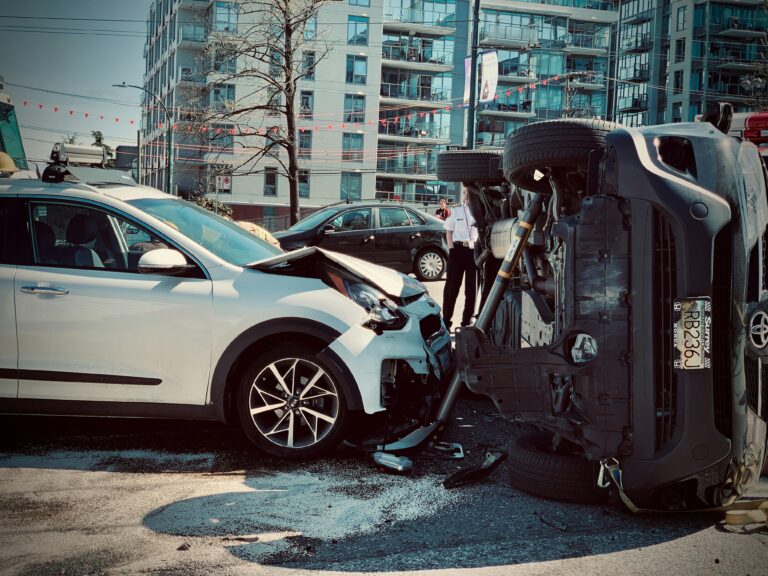
December travel puts a lot of Georgians on unfamiliar roads—parents heading to see family, students flying through regional airports, and drivers crossing state lines in rentals or rideshares. When a crash happens away from home, the claim can feel twice as confusing: different police agencies, unfamiliar hospitals, and insurers arguing about which state’s rules apply. Here’s a clear, practical guide for Georgia residents hurt in another state.
First priorities after an out-of-state crash
Your health comes first, then preserving proof before it disappears. Call 911, accept EMS if offered, and get checked the same day at an ER or urgent care. Early records connect your symptoms to the wreck, even if pain spikes later. If it’s safe, photograph vehicle positions, damage, lane markings, signage, weather, and any hazards; take close-ups of plates, DOT numbers, and VIN stickers. Get names and phone numbers for witnesses and the responding agency’s report number. Avoid recorded statements to any insurer until you’ve spoken with a lawyer.
Which state’s law applies—and why it matters
Two states may be in play: the state where the crash happened (often controls liability rules and some damages issues) and Georgia (your home base, your policies, your care). Choice-of-law can affect fault rules, available damages, punitive exposure, and deadlines. Venue (where a lawsuit could be filed) may depend on where the crash occurred, where defendants do business, and where insurance is based. Translation: don’t guess. Talk to counsel early so we can preserve evidence in the crash state and position your claim under the most favorable law available.
Your Georgia insurance still matters—sometimes even more
- UM/UIM (uninsured/underinsured motorist): Your Georgia UM can follow you across state lines and may “stack” on top of the at-fault driver’s coverage, depending on policy language. This is critical when the other state’s minimum limits are low.
- MedPay: Can help with early medical bills regardless of fault, wherever the crash occurs.
- Health insurance: Keeps treatment moving while liability is sorted out; save EOBs and receipts.
- Rental car protections: Counter CDW/LDW usually covers damage to the rental, not your injuries. Credit-card benefits vary. Keep the rental agreement and call us before you sign anything from the rental company.
Special travel scenarios we see in December
- Airport pickup lanes and rideshare decks: App distractions and sudden stops; platform coverage may apply if the driver was “on app.”
- Interstate chain reactions in rain or fog: Multiple insurers point fingers—fast video requests and event-data downloads matter.
- Holiday delivery vehicles: Contractors, subcontractors, and national brands can add layers of insurance.
- Pedestrians in downtown shopping districts: Crosswalk visibility and signal timing become key evidence.
- Out-of-state treatment that continues at home: We coordinate records so your Georgia providers can pick up the plan without gaps.
What to do in the first 72 hours to protect your claim
- Request the crash report from the out-of-state agency and save a digital copy.
- Identify cameras (storefronts, hotels, buses, traffic cameras) and ask for preservation; many systems overwrite in days.
- Save all travel records: Boarding passes, hotel invoices, game/concert tickets—these help prove lost experiences and out-of-pocket costs.
- Track symptoms and mileage: A simple note on pain levels, missed work, and travel for appointments strengthens case value.
- Bring us your policies: Auto, umbrella, health, and disability. We map every available coverage so one minimal policy doesn’t cap your recovery.
Common injuries and recoverable damages
Out-of-state crashes often involve whiplash and herniated discs, concussions (headaches, brain fog, light sensitivity), shoulder and knee injuries, wrist/hand fractures, and anxiety about driving. A claim can pursue ER and follow-up care, imaging and therapy, future treatment, wage loss or reduced earning capacity, pain and suffering, and vehicle repair or total loss. Don’t forget necessary replacements (glasses, phones, child car seats).
Mistakes that quietly reduce value
Giving a recorded statement too early, gaps in treatment after you return home, social posts minimizing your injuries, signing rental forms that shift costs onto you, and assuming Georgia rules apply just because you live here.
How Gunn Law Group handles out-of-state wrecks
We act immediately in the crash state: preservation letters for video, 911 audio, and black-box data; contact with local agencies and businesses; and coordination with your medical care back in Georgia to avoid gaps. We analyze venue and choice-of-law, identify every liable party (individuals, employers, rideshare or delivery platforms), and stack the right mix of at-fault and your own coverages to push for full value.
Holiday travel shouldn’t end with a tow truck and hospital wristband—especially far from home. Need a home run? Call the Big Gunn at 888-BIG-GUNN or visit thegunnlawgroup.com for a free case review.