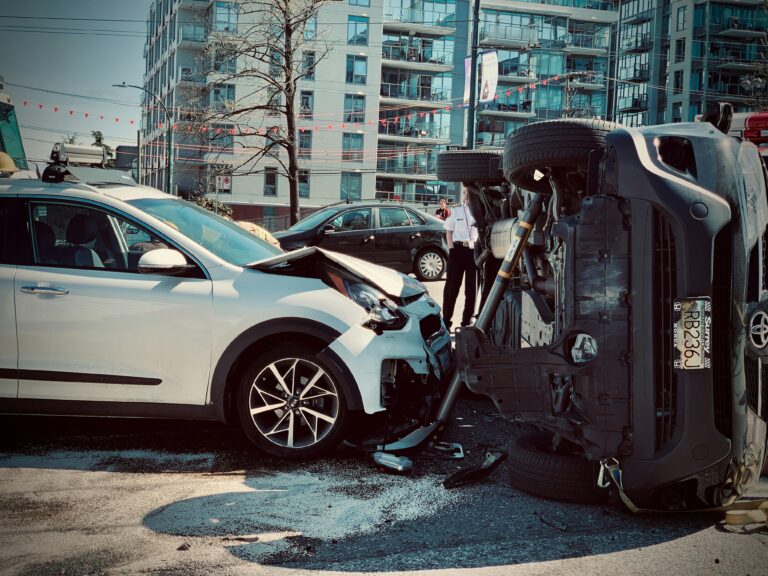
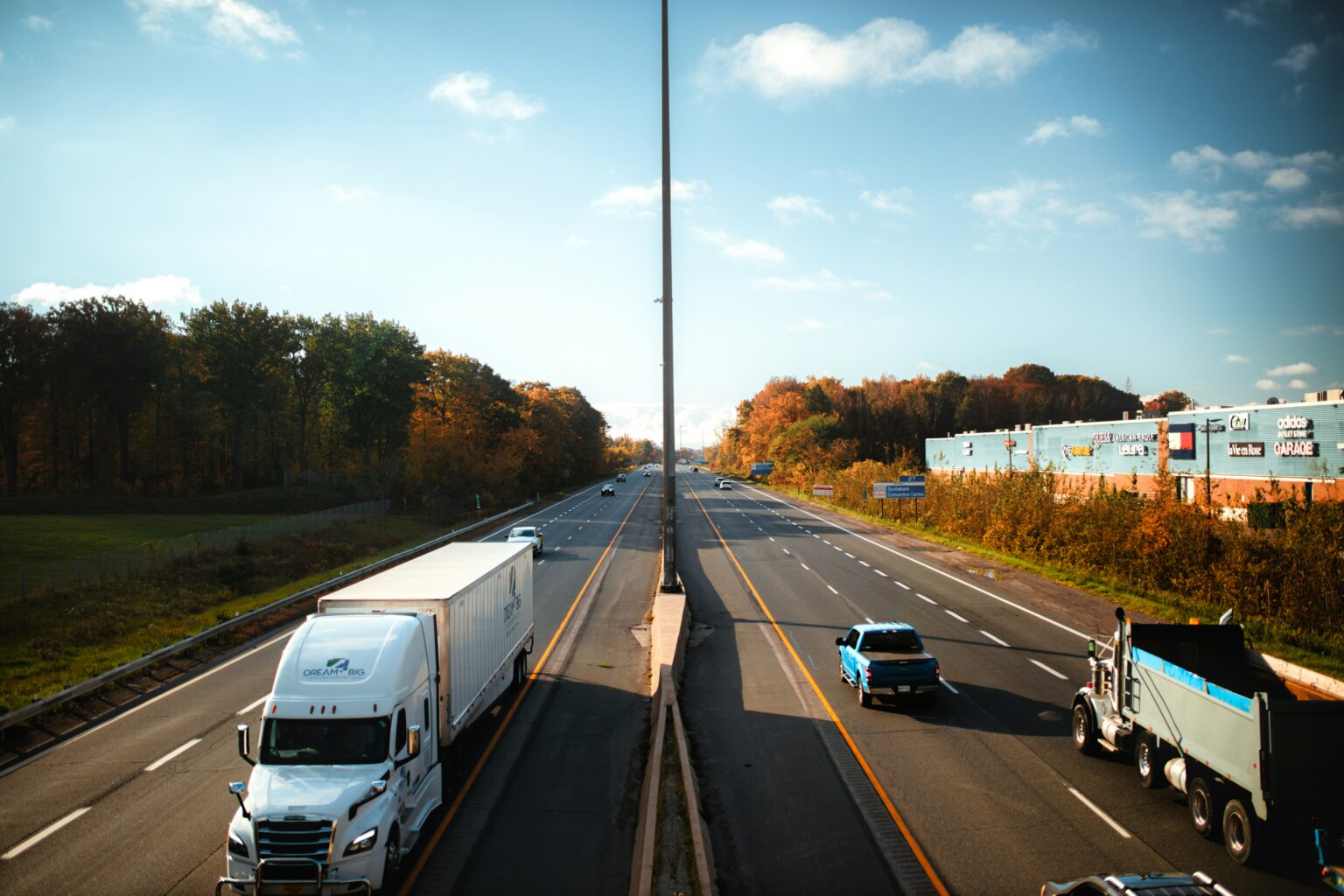
In a Georgia lane change crash, the driver who moved into another lane before making sure it was safe is usually the one at fault. Georgia law requires drivers to stay in their lane and not change lanes until they have first made sure the move can be made safely.
Even so, the insurance company may treat your case as unclear from the start, calling it your word against the other driver’s so it can delay or reduce payment. Lane change crashes are common on Atlanta interstates and busy corridors, and they often involve sideswipes, merging collisions and impacts that send a car spinning. These cases can be proven, but you have to document fault the right way and preserve evidence early.
Key Takeaways
- Under O.C.G.A. § 40-6-48, a driver must stay within a single lane as nearly as practicable and may not change lanes until it is safe.
- Drivers must also signal long enough to warn nearby traffic before changing lanes (O.C.G.A. § 40-6-123).
- Damage patterns, lane markings, witnesses and video are the main tools for beating the “he said, she said” defense.
- Insurers may argue shared fault, and under Georgia’s 50 percent rule that can reduce or bar your recovery.
- Side-impact crashes can cause neck, back and shoulder injuries even when damage looks minor.
Why Lane Change Cases Get Argued
Drivers rarely admit they merged unsafely. The other driver may say you were speeding, came out of nowhere, or drifted into their lane. Adjusters can use that uncertainty to push low offers or claim you share the blame. The most effective way to protect your case is to document lane positions and impact details before the story gets rewritten.
How Fault Is Decided in Lane Change Crashes
Most lane change cases come down to one question: who entered whose lane when it wasn’t safe?
Georgia’s lane statute, O.C.G.A. § 40-6-48, says a vehicle “shall be driven as nearly as practicable entirely within a single lane and shall not be moved from such lane until the driver has first ascertained that such movement can be made with safety.” Georgia’s signal law, O.C.G.A. § 40-6-123, requires a lane change signal to be given continuously long enough to alert nearby drivers.
If a driver crosses the lane line into your space and hits you, that is strong evidence of fault. It is usually proven through damage patterns, witness statements, video and scene documentation. The police report matters too; our guide to Georgia crash report codes explains what the officer’s entries mean.
Common Lane Change Crash Scenarios
- Sideswipes on highways and city streets
- Merging crashes entering or exiting interstates
- Drivers forcing their way into gaps in heavy traffic
- Last-second exits across several lanes
- Trucks that swing wide or drift between lanes
- Construction zones with shifting lane markings
These crashes can look minor at first, but the sideways force and sudden jolt can injure the neck, back and shoulders. If a commercial truck changed lanes into you, see our truck accident page, since those claims often involve additional rules and insurance.
How Insurers Try to Shift Blame
Adjusters commonly argue that:
- You were speeding and passing in their driver’s blind spot
- You drifted, not their driver
- Both drivers changed lanes at the same time
- There isn’t enough proof to decide who was at fault
- Minimal damage means minimal injury
When they can’t prove their version, they may try to split fault to reduce what they pay. Our guide to insurance lowball tactics explains more.
Why Georgia’s 50 Percent Rule Matters
Georgia follows a modified comparative fault rule (O.C.G.A. § 51-12-33). If you are found 50 percent or more responsible, you recover nothing, and any smaller share reduces your award. In lane change cases, insurers may try to assign shared fault even when their driver clearly merged into you. Clear evidence keeps the blame from being inflated.
Steps to Take Right Now to Protect Your Claim
- Take wide photos of the roadway and lane markings, including exit signs, merge areas and construction cones.
- Photograph both vehicles from several angles, especially the side damage and wheel positions.
- Call police and describe lane positions clearly. A vague statement like “we sideswiped each other” invites a shared-fault argument.
- Get witness information right away. Neutral witnesses can confirm which car moved over.
- Look for dashcam or nearby camera footage fast. Video is often the quickest way to settle a “he said, she said” dispute.
- Get medical care quickly and follow the treatment plan. Side-impact injuries can worsen over days.
- Be careful with recorded statements. Adjusters may try to get you to agree you were in the blind spot or speeding.
- Talk to a lawyer early so evidence is preserved.
Frequently Asked Questions
Who Is at Fault When Two Cars Change into the Same Lane?
Both drivers may share fault, and a jury would assign each a percentage. Damage location, witness accounts and video usually show who started moving first and who had the better chance to avoid the collision. You can still recover as long as you are less than 50 percent at fault, reduced by your share.
Does Failing to Use a Turn Signal Prove Fault?
It can be strong evidence. Georgia requires drivers to signal long enough to warn nearby traffic before changing lanes. But a missing signal alone doesn’t settle the case; the question is still whether the lane change was made safely.
What If the Driver Who Changed Lanes Drove Off?
Your own uninsured motorist (UM) coverage may apply to a hit-and-run. Georgia requires either physical contact with the other vehicle or an eyewitness other than you who backs up your account, and the crash must be reported to police. See our Georgia UM coverage guide.
How Long Do I Have to File a Lane Change Accident Claim?
Most Georgia injury claims must be filed within two years of the crash under O.C.G.A. § 9-3-33. Waiting can also mean losing video and witnesses, so act early.
If you were hurt in a Georgia lane change crash and the insurance company is trying to make it your fault too, focus on your health and let us handle the fight. Learn more about our car accident cases. Consultations are free and no-obligation, and there is no fee unless we win. Call 888-BIG-GUNN (888-244-4866).