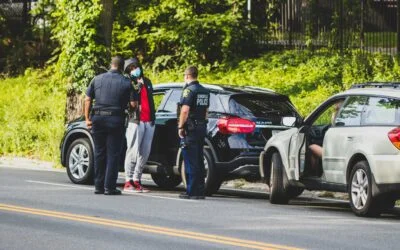

Holiday trips mean more Georgians driving rental cars to see family, catch flights at Hartsfield-Jackson, or head to football games and festivals. When a crash happens in a rental, the claim can feel extra confusing—multiple policies, unfamiliar paperwork, and tight reporting deadlines. Here’s a clear, Georgia-specific guide so you know what to do next.
Who pays after a rental car crash in Georgia?
Georgia is an at-fault state, which means the negligent driver (and their insurer) is responsible for the harm they cause. Fault can be shared, and your recovery is reduced by your percentage of fault if you’re under 50%.
In practical terms:
- If another driver hits your rental, you typically pursue their liability insurance for your injuries and losses.
- If you were driving the rental and caused the crash, your own auto policy often follows you to a temporary rental and may be primary for liability; any supplemental liability coverage you bought at the counter can add protection.
- Collision-type protections (like a counter CDW/LDW or a credit-card collision waiver) usually address damage to the rental vehicle itself—not your medical bills—and they often exclude certain violations or unauthorized drivers.
- Uninsured/underinsured motorist (UM/UIM) on your policy can help if the at-fault driver has little or no coverage.
Because policies interact differently, it’s smart to let a lawyer sort out which coverage applies and in what order while you focus on treatment.
What to do right away (and within 24–48 hours)
Act fast so evidence and coverage don’t slip away:
- Call 911 and get medical care. ER or urgent care within 24 hours links injuries to the crash and protects your claim.
- Document the scene. Photograph vehicle positions, damage, skid marks, signage, and any video cameras nearby (gas stations, storefronts).
- Collect details. Driver’s licenses, insurance cards, rental agreement number, police report number, and witness contacts.
- Notify the rental company promptly. Most contracts require quick reporting and a written incident report; ask how to preserve telematics or dash-cam data if the vehicle has it.
- Do not give a recorded statement to any insurer until you’ve spoken with counsel.
- Save expenses and items. Keep receipts (tows, rideshares, prescriptions) and hold onto damaged items (glasses, phones, child seats) that may be reimbursable.
Common disputes we handle in rental cases
- Blame-shifting by insurers. We gather traffic-cam/CCTV, body-cam, and event-data recorder downloads to establish fault.
- “Loss of use” and admin fees. Rental companies often add these to repair bills—coverage and amounts can be contested.
- Coverage finger-pointing. We map the stack: at-fault driver’s liability, your UM/UIM, MedPay, and any CDW/LDW or credit-card benefits.
- Gaps in treatment. Consistent medical care strengthens value; we help schedule and document it.
What you can recover
Depending on the facts and coverage, Georgia law allows claims for medical bills (past and future), lost wages and diminished earning capacity, pain and suffering, property damage or total loss, and necessary replacements (e.g., child car seats after a crash). If the at-fault driver’s conduct was reckless, punitive damages may be available. (Georgia’s at-fault system and comparative negligence rules apply to these assessments. )
How Gunn Law Group helps
We take over the calls, lock down evidence, read the fine print in every policy, and negotiate hard for full value—so you’re not stuck between a rental counter and two insurance adjusters. Need a home run? Call the Big Gunn at 888-BIG-GUNN for a free case review today.