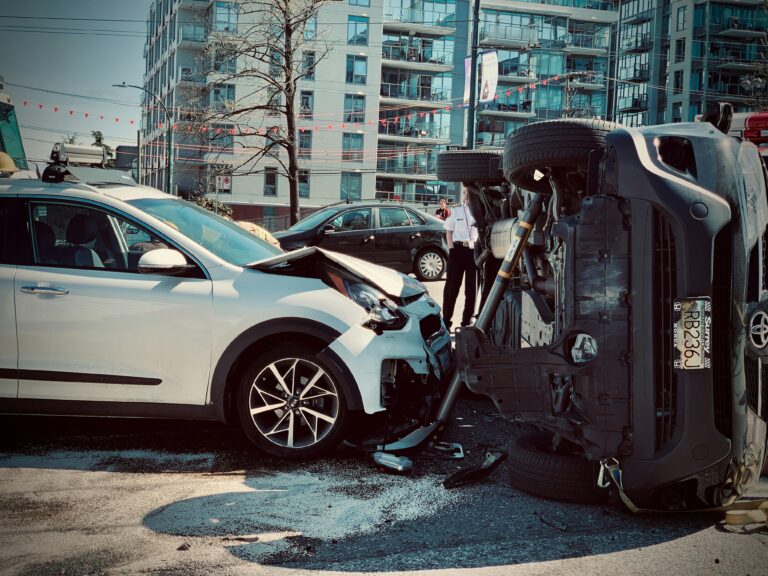

March kicks off spring break travel, heavier weekend traffic and more late-night driving across Georgia. If you were hurt in a car accident during that stretch, the basic rules of your claim don’t change, but the evidence can disappear faster and fault is more likely to be disputed.
More vehicles on the road means more multi-car wrecks, more out-of-state drivers and more arguments about who caused the crash. The steps you take in the first days can protect the value of your case and keep the insurance company from rewriting the story.
Key Takeaways
- Spring break traffic brings more stop-and-go crashes, lane-change collisions and out-of-town drivers, which can lead to fault disputes.
- An out-of-state driver who causes a crash in Georgia can still be held responsible here under Georgia’s nonresident motorist law.
- Under Georgia’s 50 percent rule, insurers have a reason to argue you share the blame.
- Witnesses, vehicles and video can be gone within days when people are traveling, so document everything early.
- Be careful with recorded statements and social media posts while your claim is open.
What Changes on Georgia Roads in March
Spring break season increases the kinds of crashes insurers like to argue about: sudden stops, lane changes, rear-end collisions in traffic, distracted driving on unfamiliar routes and impaired driving after events. When the other driver isn’t local, or several cars are involved, evidence disappears faster and adjusters may push harder for quick statements and quick settlements.
Common March crash situations include:
- Stop-and-go highway traffic leading to chain-reaction rear-end crashes
- Lane-change collisions near exits and merges
- Intersection crashes with conflicting stories about the light
- Out-of-state drivers who deny fault after they return home
- Crowded nightlife areas where impaired driving is more common
- Rideshare and passenger claims with several layers of insurance
Distracted and Unfamiliar Drivers
Travelers often rely on phone navigation in places they don’t know. Georgia’s hands-free law, O.C.G.A. § 40-6-241, bars drivers from physically holding or supporting a phone while driving. If the other driver was looking at a phone, witness accounts, video and, in some cases, phone records can help prove it.
Rideshare trips are also common during spring break. If you were hurt in or by an Uber or Lyft, more than one insurance policy may be involved, depending on whether the driver was logged into the app or carrying a passenger. Our rideshare accident page explains more.
What Makes Out-of-State Driver Cases Different
Many people assume a claim against an out-of-state driver will be hard to pursue. Usually, the claim is still handled through insurance the same way. And if a lawsuit is needed, Georgia’s Nonresident Motorist Act (O.C.G.A. § 40-12-1 and following sections) treats a nonresident who drives on Georgia roads as having appointed the Georgia Secretary of State to receive legal papers for crashes that happen here.
What does change is urgency:
- The driver may leave Georgia right away
- Witnesses are harder to find later
- Vehicles get repaired before damage can be documented
- The insurer may delay while it “confirms coverage”
- Recorded statements may be requested early to lock you into details
If the out-of-state driver’s policy limits are low, your own uninsured motorist coverage may help. See our Georgia UM coverage guide.
Why Georgia’s 50 Percent Rule Matters
Georgia follows a modified comparative fault rule (O.C.G.A. § 51-12-33). If you are found 50 percent or more responsible, you recover nothing, and a smaller share reduces your award. In busy spring break traffic, insurers may argue you stopped suddenly, followed too closely, sat in a blind spot or changed lanes too late. Strong documentation and a consistent medical timeline help keep the blame where it belongs.
Steps to Take Right Now to Protect Your Claim
- Get medical care and follow your treatment plan. Gaps in treatment give insurers room to argue something else caused your pain.
- Document the scene with wide photos and video, including traffic, lane markings, nearby businesses and exit signs.
- Collect witness information on the spot. Travelers are hard to reach later.
- Ask about camera footage right away from gas stations, parking decks, storefronts and dashcams.
- Be careful with recorded statements. Adjusters may use seasonal traffic to suggest shared fault or minimize injuries.
- Don’t post about the crash or your trip. Insurers may review social media and use vacation posts to argue you aren’t hurt.
- Track missed work and daily limitations. Your claim covers more than medical bills.
- Talk to a lawyer early so evidence is preserved before it disappears.
Our after-the-wreck checklist covers these steps in more detail.
Frequently Asked Questions
Can I Sue an Out-of-State Driver in Georgia?
Generally, yes, when the crash happened in Georgia. Most claims are resolved through the driver’s insurance, but if a lawsuit is needed, Georgia’s Nonresident Motorist Act provides a way to serve the out-of-state driver through the Georgia Secretary of State.
What If the Other Driver Was in a Rental Car?
The driver’s own auto policy, any coverage bought at the rental counter and the rental company’s coverage may all come into play, depending on the policies. Get the rental company name and agreement details from the police report and identify every policy early.
Should I Post About My Crash on Social Media?
It’s safer not to. Insurers may review public posts, and a vacation photo taken days after the crash can be used to argue your injuries aren’t serious, even when it doesn’t show the full picture. Keep your claim and your recovery offline.
How Long Do I Have to File a Claim After a March Crash?
Most Georgia injury claims must be filed within two years of the crash under O.C.G.A. § 9-3-33. Shorter deadlines can apply if a government vehicle or road defect is involved. See our guide to Georgia personal injury deadlines.
If you were hurt in a Georgia car accident during spring break season and the insurance company is playing games, focus on your health and let us handle the fight. Learn more about our car accident cases. Consultations are free and no-obligation, and there is no fee unless we win. Call 888-BIG-GUNN (888-244-4866).