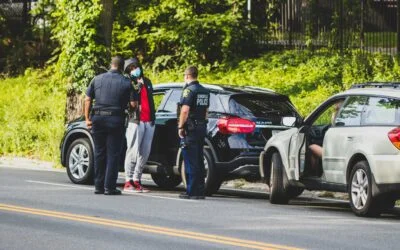

If your car is in the shop after a Georgia car accident, you still have to get to work, take care of your family, and live your life. Many people assume the insurance company will automatically pay for a rental car and cover the entire time the vehicle is down. Then the adjuster starts limiting days, refusing upgrades, or offering a rate that does not match real rental prices. Georgia law and insurance rules can be confusing here, but you do have rights. The key is documenting the need, understanding what is reasonable, and not letting the insurer control the timeline.
What this means in real life
After a crash, insurers often try to cap rental coverage by saying repairs should only take a certain number of days. They may blame the body shop for delays, parts shortages, or supplements. They may also push you toward the cheapest rental category even if you need a comparable vehicle for work or family needs. If you are not careful, you can end up paying out of pocket or without transportation while the claim drags on.
What rental coverage usually includes
Rental and loss of use are typically part of the property damage side of a claim when the other driver is at fault. This usually means the at fault insurer should cover.
A reasonable daily rental rate
A reasonable rental period while your vehicle is being repaired
Sometimes additional time if delays are not your fault
Loss of use compensation if you do not rent a car but still lost the use of your vehicle
The focus is reasonableness. Insurers often abuse that word to underpay, but documentation can hold them accountable.
Loss of use is not always the same as rental reimbursement
Some people do not rent a car. That does not automatically mean you get nothing. Loss of use is the value of not having your vehicle available, even if you found another ride temporarily. Insurers may try to say no rental means no payment. In many situations, that is not a fair outcome, and it can be challenged depending on the facts and documentation.
How insurers try to reduce rental time and cost
Insurance companies use predictable tactics.
They approve a rental for only a few days before the shop even starts work
They refuse time for supplements and additional damage found during repair
They claim parts delays are not their problem
They pressure you to return the rental before repairs are complete
They offer a rate that does not match current market rental prices
They deny a comparable vehicle even when you have legitimate needs
If you accept these limits without pushing back, you may end up paying for the gap.
Total loss cases create different rental issues
If the insurer declares your vehicle a total loss, rental time may be limited to a shorter window while they evaluate and make an offer. The pressure increases because they want you to accept the first total loss number quickly. If you are still negotiating value, you may need to protect yourself from being forced into a bad settlement just to keep transportation.
Steps to take right now to protect your claim
If you are dealing with a recent wreck, these steps help keep the focus where it belongs, on the at fault driver and the real cost of losing your vehicle.
- Get rental approval in writing including daily rate and start date because verbal promises disappear when the adjuster changes
- Use a reputable shop and ask for repair timeline documentation because insurers often try to blame shop delays and written timelines protect you
- Save every rental receipt and extension notice because proof of charges matters when disputing caps or gaps
- Document why you need a comparable vehicle such as commuting distance, family size, or work equipment because insurers try to force the cheapest option
- Stay on top of supplements and parts delays by requesting updates in writing because the insurer will use “unnecessary delay” as an excuse
- Do not let rental pressure force a premature injury settlement because the property damage and injury claim are separate and you should not trade value for speed
- Talk to an attorney early if the insurer is playing games because rental disputes are often part of a broader strategy to wear you down
The bottom line
After a Georgia car accident, transportation is not a luxury. It is part of what the at fault party should cover through their insurance. Strong claims still win when you document the repair timeline, get rental terms in writing, and refuse to let the insurer cap your recovery based on convenience for them.
If you are dealing with rental car issues after a Georgia crash and the insurance company is cutting you off early, focus on your health first and let us handle the fight. Need a home run Call the Big Gunn at 888 BIG GUNN.