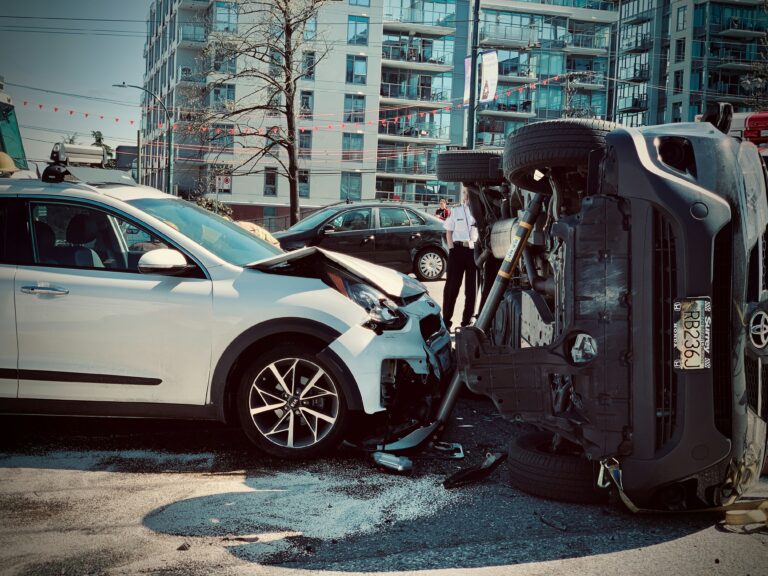

July in Georgia means more people are out cycling, enjoying parks, trails and city streets. More bikes on the road also means more chances for serious crashes, especially when drivers are distracted or fail to share the road. If a driver hits you while you’re riding, you may be able to recover your medical bills, lost income and other losses from the at-fault driver’s insurance, and possibly your own.
Here is what Georgia law says about bikes and cars, what to do after a crash and how bicycle injury claims work.
Key Takeaways
- Bicycles are vehicles under Georgia law, and riders have the same basic rights and duties as drivers.
- Drivers must leave at least three feet when passing a cyclist (O.C.G.A. § 40-6-56).
- Get medical care right away and keep your bike, helmet and gear in their post-crash condition.
- Your own uninsured motorist coverage may help if the driver has little or no insurance, even though you were on a bike.
- Most Georgia injury claims must be filed within two years (O.C.G.A. § 9-3-33).
Why Bicycle Accidents Increase in July
- More cyclists commuting and riding for fun in warm weather
- Vacationers and visitors driving on unfamiliar roads
- Holiday drivers who aren’t looking for bikes at crosswalks and intersections
- Crowded events and festivals adding to road congestion
- Longer evenings, with more riding at dusk when visibility drops
Even careful cyclists are vulnerable when motorists aren’t paying attention.
Common Causes of Summer Bike Accidents
- Drivers making unsafe left turns or pulling out without checking for bikes
- Vehicles drifting into bike lanes or failing to yield at intersections
- “Dooring,” when a parked car’s door opens in a cyclist’s path
- Passing too closely or cutting back in too soon
- Poor road maintenance, potholes or loose gravel
- Distracted or impaired driving
Georgia’s hands-free law (O.C.G.A. § 40-6-241) bars drivers from holding a phone while driving, so evidence of phone use can be important. When poor road conditions cause a crash, a claim against a city, county or the State may be possible, but short notice deadlines apply.
Georgia Bicycle Laws That Affect Your Claim
Understanding the rules helps show who was at fault:
- Bikes are vehicles. Under Georgia law, cyclists generally follow the same rules of the road as drivers and have the same rights (O.C.G.A. § 40-6-290 and § 40-6-291).
- Three-foot passing. A driver passing a cyclist must keep at least three feet between the vehicle and the bike at all times (O.C.G.A. § 40-6-56).
- Riding position. Cyclists should ride as near to the right side as practicable, except when turning left or avoiding hazards (O.C.G.A. § 40-6-294).
- Helmets and lights. Riders under 16 must wear a helmet, and bikes used at night need a white front light and a red rear light visible from 300 feet (O.C.G.A. § 40-6-296).
Georgia uses modified comparative fault. If you are found partly at fault, your damages are reduced by your share, and you cannot recover if you are 50% or more at fault (O.C.G.A. § 51-12-33). Insurers may argue that a rider was hard to see or wasn’t where they should have been, so photos and witness statements matter.
Steps to Take After a Bicycle Crash
- Get medical attention immediately. Even minor crashes can cause head, neck or internal injuries.
- Call police and request a report. This creates an official record. Our guide to Georgia crash report codes explains how to read it.
- Gather evidence. Photograph your injuries, your bike, the scene, the car and its plate.
- Get driver and witness information. Collect names, phone numbers and insurance details.
- Don’t fix your bike. Keep your bike, helmet and clothing in their post-crash condition.
- Look for video. Note nearby businesses, doorbell cameras and your own bike camera or ride-tracking app, which may show speed and location.
- Be careful with insurance calls. Avoid recorded statements before you get legal advice.
Who Pays After a Bike Crash
The at-fault driver’s liability insurance is the main source of payment. Georgia’s minimum limits are $25,000 per person for bodily injury, which may not cover a serious injury. If the driver is uninsured, underinsured or leaves the scene, your own uninsured/underinsured motorist coverage may apply even though you were on a bike. Health insurance and medical payments coverage may also help with bills.
You may be able to recover:
- Medical expenses, including ER care, surgery and rehab
- Lost income if you can’t work
- Pain and suffering, including long-term effects
- Repair or replacement of your bicycle and gear
Learn more on our bicycle accident page.
Frequently Asked Questions
Do I Have a Claim If I Wasn’t Wearing a Helmet?
Georgia requires helmets only for riders under 16. An adult who wasn’t wearing a helmet can still bring a claim against a negligent driver, though an insurer may argue about how the injuries happened. Medical evidence helps answer those arguments.
Can I Use My Car Insurance After a Bike Crash?
Often, yes. Uninsured and underinsured motorist coverage and medical payments coverage can apply to you as a cyclist, depending on your policy. Review your declarations page or have an attorney review it.
What If the Driver Says I Came Out of Nowhere?
That is a common defense. Photos, video, witness statements, damage patterns and your lights or reflective gear can show that you were visible and riding lawfully. Evidence gathered early is the best answer.
How Long Do I Have to File a Bicycle Accident Claim in Georgia?
Most personal injury claims must be filed within two years, and property damage claims within four years. Claims involving a city or county have much shorter notice deadlines. See our guide to Georgia personal injury deadlines.
If your ride turned into a hospital visit, you don’t have to face the insurance companies alone. The Gunn Law Group offers a free, no-obligation consultation, and you pay no attorney fee unless we recover for you. Call 888-BIG-GUNN (888-244-4866).