
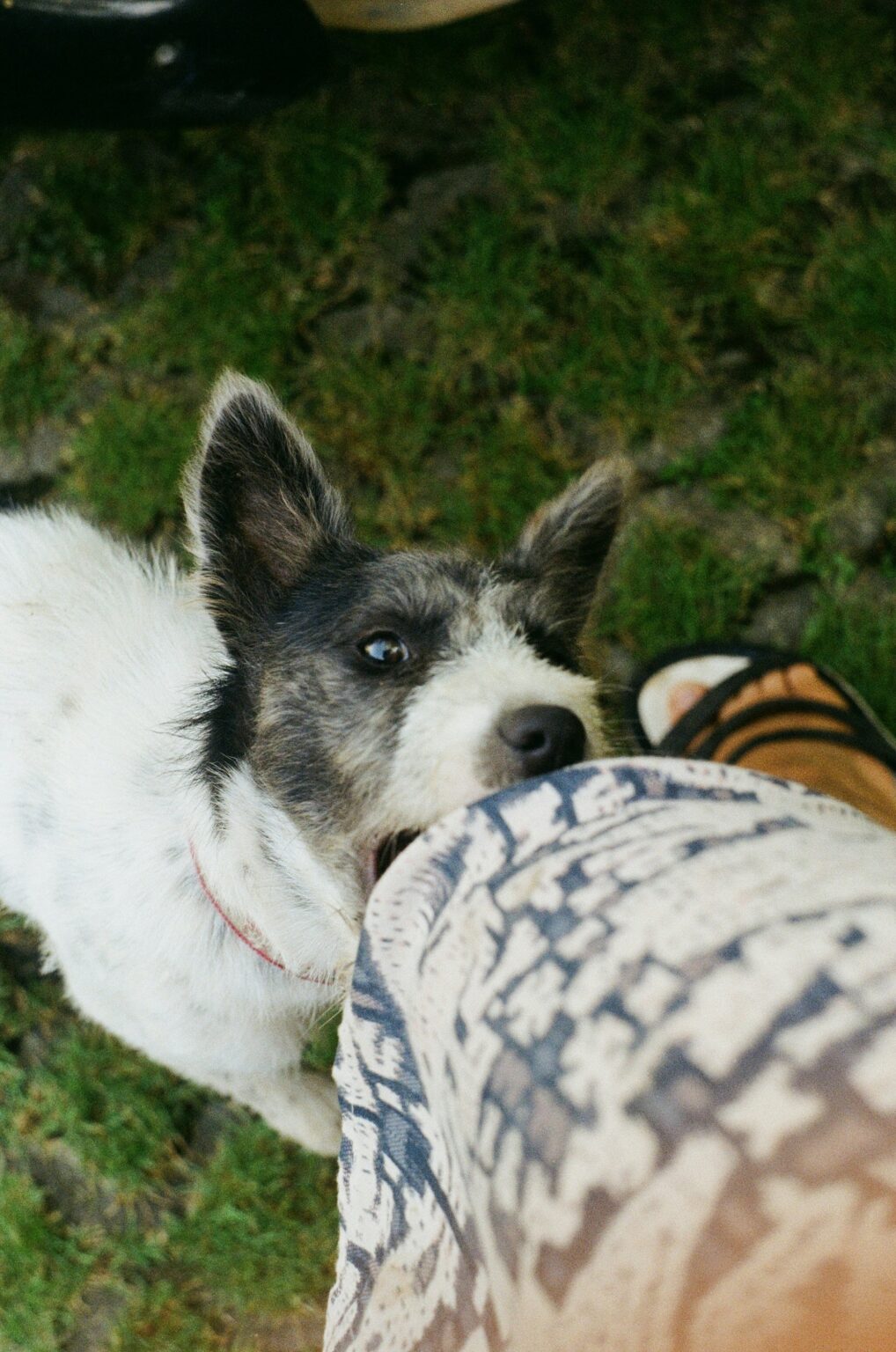
December in Georgia means packed living rooms, backyard fire pits and lots of new faces in close quarters, including kids, relatives and pets that aren’t used to the chaos. Add food, noise and late nights, and even a usually calm dog can react. If you or your child was bitten at a holiday gathering or a neighbor’s party, you may have a claim against the dog’s owner, usually paid through a homeowners or renters policy.
Under Georgia law, a dog owner can be liable when the dog was dangerous or vicious and the owner failed to manage it carefully or let it run loose. A leash-law violation can help prove that. Here is how these claims work and what to do now to protect your health and your claim.
Key Takeaways
- Georgia’s dog bite law, O.C.G.A. § 51-2-7, makes an owner or keeper potentially liable for injuries caused by a vicious or dangerous animal through careless management or letting it go at liberty.
- If a local ordinance required the dog to be leashed or at heel and it was not, that is enough to prove the vicious-propensity element.
- The host’s homeowners or renters liability coverage is often the main source of payment.
- Get medical care, confirm the dog’s rabies vaccination status and photograph the wounds as they heal.
- Most Georgia injury claims must be filed within two years (O.C.G.A. § 9-3-33).
Why Dog Bites Can Spike During the Holidays
Crowded rooms, unfamiliar guests and disrupted routines can stress pets. Children move quickly and may grab or hug a dog without warning. Guests set plates at coffee-table height, drop food or try to break up a scuffle between dogs. Late-night arrivals and alcohol can reduce everyone’s awareness, owners and guests alike.
Georgia Dog Bite Law in Plain English
Under O.C.G.A. § 51-2-7, a person who owns or keeps a vicious or dangerous animal and, by careless management or by allowing it to go at liberty, causes injury to someone who did not provoke it may be liable for damages.
In practice, that usually means showing:
- The dog had a dangerous tendency the owner knew or should have known about, such as prior aggression, snapping or lunging. A prior bite is not always required.
- The owner failed to manage the dog carefully, for example by leaving it loose among guests or ignoring warning signs.
- You did not provoke the dog.
The statute also provides a shortcut. If a city or county ordinance required the dog to be on a leash or at heel and it was not at the time, that is sufficient to prove vicious propensity. Many Georgia communities have leash ordinances, so the location of the bite matters.
A landlord or property owner who is not the dog’s owner may share responsibility only in limited situations, so every case turns on the facts: what the owner knew, what safety steps they took and how the encounter happened. Learn more on our dog bite injury page.
Insurance That May Cover a Holiday Dog Bite
- Homeowners or renters liability coverage at the host’s residence commonly covers dog bite claims and can pay for medical care, scarring treatment, lost wages and pain and suffering when the owner is legally responsible.
- Medical payments (MedPay) coverage on some homeowners policies can help with early bills regardless of fault.
- Your health insurance keeps treatment moving while fault is sorted out.
Many people hesitate because the owner is a friend or relative. In most cases, the claim is paid by the owner’s insurance company, not out of the owner’s pocket.
What to Do Right Away
Health first, proof second:
- Get medical care now. Puncture wounds carry a real infection risk. Follow the wound-care plan and finish any prescribed antibiotics.
- Confirm rabies vaccination status. Ask the owner for vaccine records or the vet’s contact information, and write down what you are told.
- Photograph everything: the wounds on the same day and as they heal, the scene, the dog if it is safe, gates, crates, leashes and any warning signs.
- Identify witnesses. Get names and numbers for anyone who saw the dog’s behavior or how it got loose.
- Report the bite to local animal control. A report documents the incident and can trigger quarantine or vaccination checks.
- Avoid social media posts about the bite or your injuries.
- Keep a log of pain, sleep problems, missed work or school and limits on daily life.
Common Injuries and Long-Term Impacts
Dog bites often cause punctures and tears to the hands, arms, legs or face, nerve or tendon damage, infections and scarring that may need revision or laser treatment. Children can suffer facial and dental injuries and lasting fear or anxiety around dogs.
A Georgia claim can seek ER and follow-up care, imaging and therapy, future medical needs, lost wages, scarring and disfigurement, pain and suffering, counseling and damaged items such as glasses or clothing.
How Fault Is Proven in Holiday Bite Cases
Evidence usually answers these questions:
- Was the dog crated, leashed or separated when guests arrived?
- Did the owner warn anyone about triggers such as food, toys, crowds or being touched while sleeping?
- Were there prior incidents, complaints or signs, such as muzzling or “do not pet” gear, showing the owner knew extra caution was needed?
- Did a local ordinance require a leash or secure enclosure that wasn’t used?
Photos, text messages, vet records, neighbor statements and animal-control files often make the difference.
Mistakes That Can Reduce Your Claim
- Leaving without photos or contact information
- Skipping the animal-control report
- Letting wounds heal before photographing them
- Gaps in medical care
- Giving a recorded statement to an insurer before getting advice
- “I’m fine” posts that contradict your medical records
Adjusters may use these gaps to argue your injuries were minor. Our guide to insurance lowball tactics explains what to watch for.
Frequently Asked Questions
Does Georgia Have a “One Bite” Rule?
Not in the simple sense many people assume. Under O.C.G.A. § 51-2-7, you generally must show the dog had a dangerous tendency the owner knew or should have known about, but that can be proven without a prior bite. And if the dog was off-leash in violation of a local leash ordinance, that alone satisfies the vicious-propensity element.
Can I File a Claim If a Relative’s Dog Bit My Child?
Yes. Most dog bite claims are paid by the owner’s homeowners or renters insurance, not by the owner personally. Filing a claim is often the only way to cover medical bills and future scar treatment for a child.
How Long Do I Have to File a Dog Bite Claim in Georgia?
Most dog bite claims must be filed within two years under O.C.G.A. § 9-3-33. For a child’s own claim, Georgia generally gives the same amount of time after the child turns 18, but a parent’s claim for medical bills may run on a different clock. See our guide to Georgia personal injury deadlines.
What If I Was Partly at Fault for the Bite?
Georgia reduces your recovery by your share of fault and bars recovery if you are 50% or more responsible (O.C.G.A. § 51-12-33). The dog bite statute also does not apply if you provoked the injury. Honest, early documentation of what happened helps.
If a holiday visit ended with a dog bite and a trip to urgent care, don’t let an insurer downplay what happened. The Gunn Law Group offers a free, no-obligation consultation, and you pay no attorney fee unless we recover for you. Call 888-BIG-GUNN (888-244-4866).