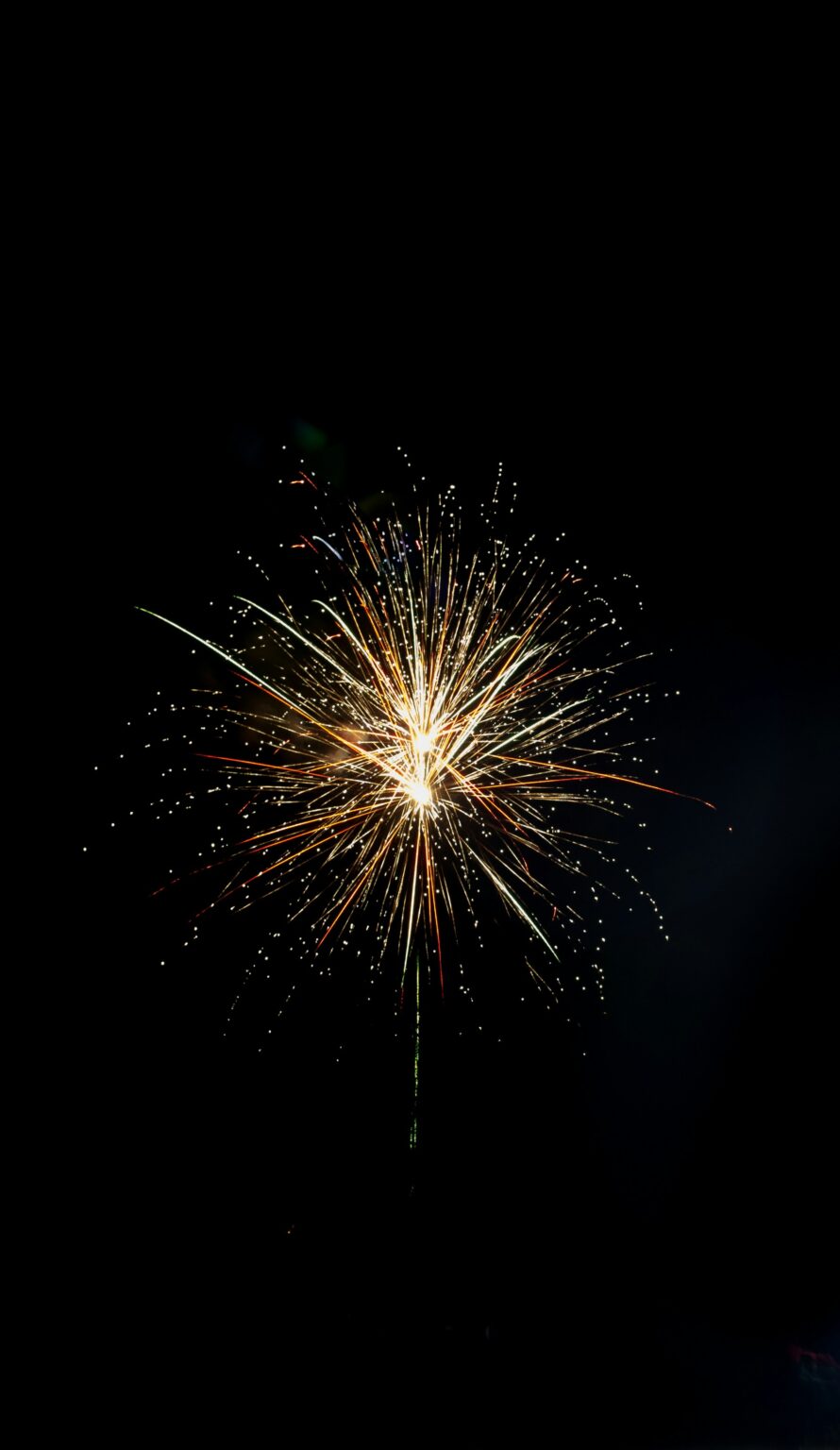
If you or your child was burned by a sparkler or hurt by a firework on New Year’s Eve in Georgia, get medical care first, then save the device, packaging and photos. Depending on what happened, a manufacturer, a business or event organizer, or a careless person may be responsible for your medical bills and other losses.
New Year’s Eve in Georgia brings neighborhood shows, backyard sparklers and big countdowns, and with them a predictable wave of burns and blast injuries. This guide explains why these injuries happen, what Georgia law says about fireworks, and the steps that protect both your health and your claim.
Key Takeaways
- The U.S. Consumer Product Safety Commission (CPSC) estimates that 14,700 people were injured by fireworks in 2024 and 11 died, with hands, fingers, head and face hurt most often.
- Georgia law allows consumer fireworks on December 31 from 10 a.m. to 11:59 p.m. and on January 1 from midnight to 1 a.m., but drought orders and local rules can still apply.
- Keep the device, packaging, receipt and photos. A defective-product claim often depends on that physical evidence.
- Most Georgia injury claims must be filed within two years, and product claims against a manufacturer face a separate 10-year outer limit from the product’s first sale.
Why Fireworks and Sparkler Injuries Spike Around New Year’s
The CPSC estimates there were about 1,700 emergency room visits involving sparklers alone in 2024. The agency also notes that sparklers burn at about 2,000 degrees Fahrenheit, hot enough to melt some metals. According to the same CPSC data, hands and fingers accounted for 36% of fireworks injuries and the head, face and ears for 22%.
That heat, combined with late-night celebrations, crowded driveways, alcohol and children holding sparklers, is why emergency rooms see burns, eye injuries and hand trauma every New Year’s. Fire-safety groups encourage families to enjoy public displays run by professionals rather than setting off consumer fireworks at home.
What Georgia Law Says About Using Fireworks
Under O.C.G.A. § 25-10-2, consumer fireworks may generally be used:
- On any day from 10 a.m. to 11:59 p.m., subject to local noise ordinances.
- On December 31 (and several other listed holidays) from 10 a.m. to 11:59 p.m.
- On January 1 from midnight to 1 a.m., so people can ring in the new year.
The Governor can also restrict fireworks during severe drought. Check your city or county rules before you light anything. Breaking a safety rule does not automatically decide an injury case, but it can be strong evidence of carelessness.
Who May Be Legally Responsible
Every fireworks case turns on its facts. Depending on what happened, responsibility may rest with:
- The manufacturer, if a device was defectively designed or made, exploded early, flew sideways or lacked adequate warnings. Under O.C.G.A. § 51-1-11, a manufacturer can be strictly liable for a product that was not reasonably suited to its intended use, subject to a 10-year limit measured from the product’s first sale.
- A business or event organizer, if a public show or commercial property had poor crowd control, no barriers or spectators placed too close. Georgia law requires owners and occupiers to use ordinary care to keep their premises safe for customers and other invited visitors. Learn more about premises liability claims.
- A person who set off fireworks carelessly, such as aiming them at people, relighting a dud or handing them to young children.
A note on house parties: Georgia generally treats a social guest in a private home as a “licensee,” and a homeowner is liable to a licensee only for “willful or wanton injury” (O.C.G.A. § 51-3-2). That is a harder standard than the one that applies to businesses, which is one reason these cases need a close look at the facts. The person who actually lit the firework may still be responsible for his or her own negligence.
What to Do Right After a Fireworks Injury
- Get medical care now. Burns and eye injuries can worsen quickly, and an urgent care or ER visit creates a record of your injury.
- Preserve the evidence. Photograph the device, packaging, fuse, labels and the scene. Keep the remaining pieces, packaging and receipt in a safe, dry container, and do not take anything apart.
- Collect names and numbers. Get contact information from witnesses and anyone who helped set up or light the fireworks.
- Write down where it was bought. Note the brand, product name and store.
- Be careful with social media. Posts and videos can be taken out of context by insurance adjusters.
- Talk to a lawyer early. Product and premises questions can be complex, and evidence disappears fast.
Safety Tips That Also Protect Your Claim
- Give it room. Use a clear launch area, keep spectators well back and never let small children handle sparklers.
- Use legal consumer products only. Avoid unlabeled, homemade or altered devices.
- Light one at a time and never relight a dud. Soak used fireworks and duds in water before throwing them away.
- Keep water nearby. Have a bucket or hose ready before the first fuse is lit.
- Know the hours. Stick to the legal window and any local restrictions.
Deadlines and Damages in Georgia Fireworks Cases
Most Georgia personal injury claims must be filed within two years of the injury under O.C.G.A. § 9-3-33, and missing that deadline can end the claim. See our guide to Georgia personal injury deadlines for exceptions, including different rules for children. Product claims against a manufacturer also face the 10-year limit from first sale, so identifying the product early matters.
Georgia follows modified comparative fault. Your recovery can be reduced by your share of fault, and you cannot recover if you are 50% or more responsible (O.C.G.A. § 51-12-33). Damages can include medical bills, future care such as burn treatment or scar revision, lost wages, and pain and suffering. If a fireworks injury was fatal, the family may have a wrongful death claim.
Frequently Asked Questions
Can I Sue If My Child Was Burned by a Sparkler?
Possibly. It depends on why the injury happened. If the sparkler was defective or lacked adequate warnings, the manufacturer may be responsible, and if another adult handled it carelessly, that person may be. Keep the packaging and any unused sparklers from the same box.
Are Fireworks Legal in Georgia on New Year’s Eve?
Yes, within limits. Georgia law allows consumer fireworks on December 31 from 10 a.m. to 11:59 p.m. and on January 1 from midnight to 1 a.m. Drought restrictions and local rules can still apply, so check before you celebrate.
What If I Was Partly at Fault?
Georgia uses modified comparative fault. If you were less than 50% at fault, you can still recover, but your award is reduced by your percentage of fault. At 50% or more, you recover nothing.
How Long Do I Have to File a Claim?
Generally two years from the injury for personal injury claims in Georgia. Product claims against a manufacturer also have a 10-year outside limit from the product’s first sale, so it is wise not to wait.
If a New Year’s celebration left you or your child hurt, The Gunn Law Group can review what happened in a free, no-obligation consultation, and you pay no attorney fee unless we win. Call 888-BIG-GUNN (888-244-4866). Hablamos español.