
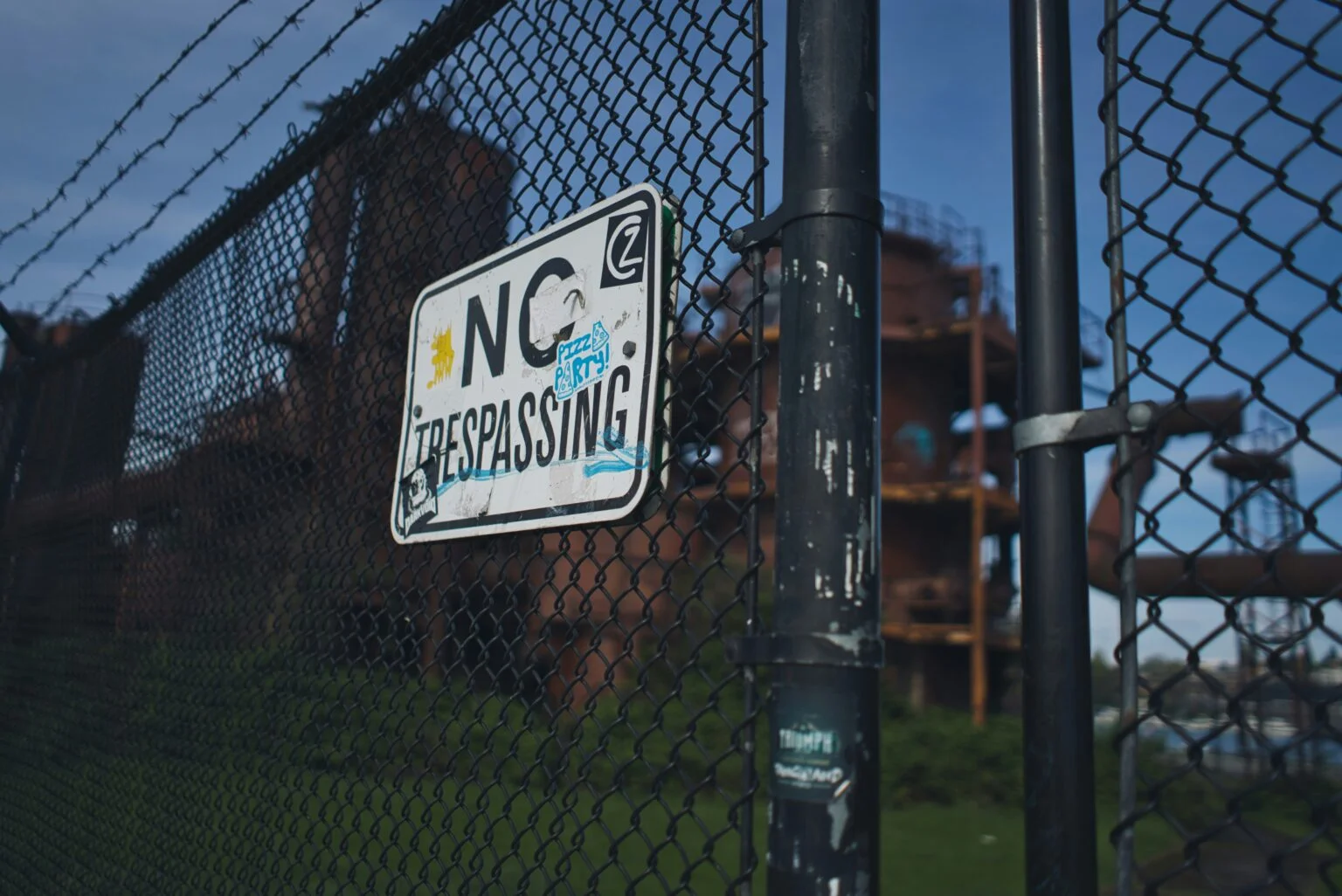
Yes, you can often sue after an injury on someone else’s property in Georgia, but only if the owner or occupier failed to use reasonable care to keep the property safe and that failure caused your injury. Premises liability law covers homes, stores, apartment complexes, parking lots and other private property.
Being hurt on someone’s property is not enough by itself. Georgia law looks at why you were there, what the owner knew or should have known about the danger, and whether you could have seen and avoided it. Recent changes to Georgia law also make some claims, especially those involving crimes on the property, harder to bring.
Key Takeaways
- Property owners and occupiers must use ordinary care to keep the premises safe for people they invite onto the property (O.C.G.A. § 51-3-1).
- The duty owed depends on your status: invited guests and customers get the most protection, and trespassers get the least.
- Common claims include slip and falls, negligent security, dog bites and injuries from dangerous conditions such as broken stairs or code violations.
- Georgia’s 2025 tort reform law (SB 68) created new rules for negligent security claims arising on or after April 21, 2025.
- Most injury claims must be filed within two years, and claims involving government property can require notice much sooner.
When a Property Owner Can Be Held Liable
Georgia’s main premises statute, O.C.G.A. § 51-3-1, says an owner or occupier who invites people onto the property for a lawful purpose is liable for injuries caused by a failure “to exercise ordinary care in keeping the premises and approaches safe.” That covers customers in a store, guests at an apartment complex and similar visitors.
Your status matters. People invited onto the property for business or mutual benefit (invitees) are owed ordinary care. Social guests and others present only with permission (licensees) are generally owed a lower duty, and trespassers get very limited protection.
In most cases, you will need to show the owner knew or should have known about the hazard and that you did not know about it despite using ordinary care for your own safety. If you were partly at fault, your recovery can be reduced, and you cannot recover if you are 50% or more at fault (O.C.G.A. § 51-12-33).
Common Types of Premises Liability Cases
Slip and Fall Accidents
Slip and fall cases are the most familiar premises claims. They often involve wet or slick floors, poor lighting, uneven walkways, loose rugs or cluttered aisles. The key questions are usually how long the hazard was there and whether the owner had a reasonable chance to find and fix it.
Negligent Security
Owners of places such as apartment complexes, parking decks, hotels and shopping centers can sometimes be responsible when a lack of reasonable security leads to an assault or other crime. For claims arising on or after April 21, 2025, SB 68 added a new set of rules (O.C.G.A. § 51-3-50 and following). In general, an injured invitee may now need to show the owner had a particularized warning of the crime or knew of substantially similar prior crimes on or near the property, and the jury must also assign fault to the person who committed the crime. These changes may make negligent security claims harder to win, so get them reviewed early.
Dog Bites
A person who owns or keeps a vicious or dangerous animal can be liable when careless management of the animal or letting it roam free causes an injury to someone who did not provoke it (O.C.G.A. § 51-2-7). If a local leash law required the dog to be leashed and it was not, that can help prove the claim. Learn more on our dog bite page.
Dangerous Conditions and Code Violations
Broken stairs, missing handrails, faulty wiring, fire hazards and other building code problems can all lead to serious injuries. A code violation does not automatically prove a claim, but it can be strong evidence that the owner failed to keep the property safe.
What to Do After an Injury on Private Property
- Get medical care. Your health comes first, and your records document your injuries.
- Report the incident. Tell the owner, manager or landlord and ask for a copy of any written incident report.
- Photograph the scene. Capture the hazard, the lighting, any warning signs (or lack of them) and your injuries.
- Get witness information. Names and phone numbers of anyone who saw what happened can be hard to find later.
- Keep your clothing and shoes. They can show what you were wearing and help answer questions about the fall.
- Be careful with insurers. An adjuster for the property owner may ask for a recorded statement. You are not required to give one, and it is wise to talk with a lawyer first.
Store surveillance video is often recorded over quickly, so a prompt written request to preserve footage can matter.
Damages and Deadlines
If your claim succeeds, you may recover medical bills, lost wages, pain and suffering and other losses tied to the injury. Our guide to Georgia pain and suffering damages explains how noneconomic losses are valued.
Most premises injury lawsuits must be filed within two years of the injury under O.C.G.A. § 9-3-33. If the property belongs to a city, county or the State, you may need to send a written ante litem notice much sooner: six months for a city (O.C.G.A. § 36-33-5) and 12 months for a county or the State. See our guide to Georgia personal injury deadlines.
Frequently Asked Questions
Can I Sue a Homeowner If I Was Hurt at Their House?
Possibly. Whether you can recover depends on why you were there, what the homeowner knew about the danger and whether you could have seen it. Many homeowners’ insurance policies include liability coverage that may pay for injuries to guests.
Does It Matter That I Did Not See the Hazard?
It can help. Georgia premises cases often turn on whether the owner knew or should have known about the hazard and whether you failed to notice it despite using ordinary care. If the danger was open and obvious, the owner may argue you should have avoided it.
Did the 2025 Tort Reform Law Change Premises Liability Claims?
SB 68 created new rules for negligent security claims arising on or after April 21, 2025, including requirements about prior warnings or similar crimes and assigning fault to the criminal. It also changed how medical expenses are proven for claims arising after that date. Ordinary slip and fall claims are still generally governed by O.C.G.A. § 51-3-1.
How Long Do I Have to File a Premises Liability Claim?
For most injuries, you have two years from the date of the injury to file a lawsuit in Georgia. Claims involving government property can require written notice within six or 12 months. Acting early also helps preserve video and other evidence.
If you were hurt because a property was not kept safe, The Gunn Law Group can review your situation in a free, no-obligation consultation. There is no attorney fee unless we recover for you, and hablamos español. Call 888-BIG-GUNN (888-244-4866).