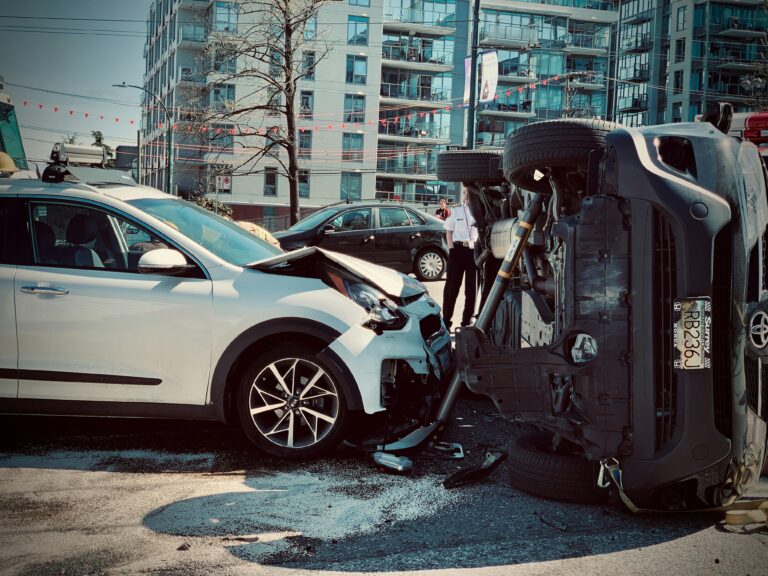
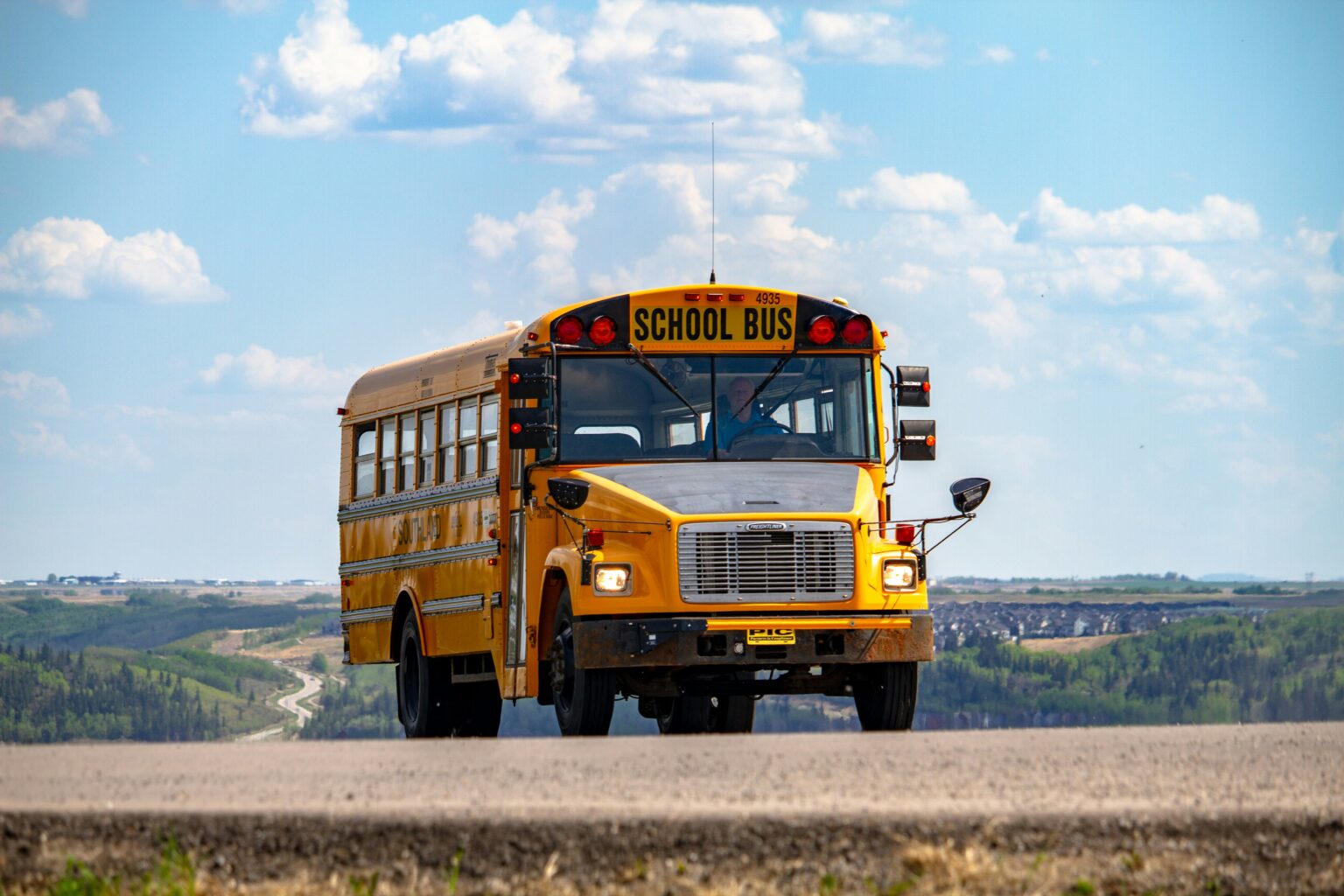
If your child is hurt in a school bus accident in Georgia, get your child medically evaluated right away, write down the bus number, route and stop, and ask the school in writing to preserve bus camera video. Depending on what happened, the responsible party may be another driver, a private bus contractor, a manufacturer or the school district itself. Claims against a public school district are limited by sovereign immunity, which Georgia law waives for bus crashes only to the extent of the district’s motor vehicle insurance.
Every parent trusts that a child who boards the school bus will get to school and back home safely. Yet collisions, sudden stops and careless drivers can turn a routine ride into a traumatic event. Here is how these claims work and how to protect your child’s rights.
Key Takeaways
- Georgia drivers must stop for a school bus with its stop signals operating, from either direction, except on highways divided by a grass median, unpaved area or barrier (O.C.G.A. § 40-6-163).
- Public school districts generally have sovereign immunity, but it is waived for negligent use of a covered motor vehicle up to the district’s motor vehicle insurance coverage (O.C.G.A. § 33-24-51(b)).
- Private bus contractors and other drivers do not share the district’s immunity.
- Children may hide or not notice symptoms, so get a medical evaluation after any crash.
- A child’s own injury claim generally has a longer filing window than an adult’s, but related claims can follow different deadlines, so act promptly.
Why School Bus Accidents Happen
- Driver error: inattention, speeding, unsafe lane changes or failing to obey traffic laws.
- Maintenance failures: worn brakes, bald tires or malfunctioning lights, doors and stop arms.
- Loading and unloading hazards: children struck by passing vehicles at pick-up or drop-off.
- Unsafe conditions on board: crowding, horseplay or sudden stops that throw standing children into seats and aisles.
- Other drivers: motorists who run red lights, follow too closely or illegally pass a stopped bus.
Georgia’s stop-arm law is strict. Under O.C.G.A. § 40-6-163, a driver meeting or overtaking a stopped school bus must stop while its signals are operating and may not move until they stop. A painted line or center turn lane is not enough to create an exception. Many buses now carry stop-arm cameras, and that footage can be important evidence.
Who Can Be Held Liable?
- Another motorist. If another driver hit the bus or struck a child getting on or off, that driver and his or her insurer are often the first source of payment.
- The school district. A public school district is generally protected by sovereign immunity. Georgia law waives that immunity for claims arising from the negligent use of a covered motor vehicle, but only to the extent of the motor vehicle insurance the district carries. The Georgia Court of Appeals applied this rule to a school district in Tift County School District v. Martinez (2015).
- A private bus contractor. Some districts hire private companies to run routes. A contractor can be directly responsible for its driver, its training and its maintenance, and it does not share the district’s immunity.
- A manufacturer. In rare cases, a defect in brakes, steering, doors or other bus parts can support a product claim.
Georgia courts have treated some loading and unloading incidents as part of the “use” of a bus, but injuries that do not involve operating the bus, such as a fight at a bus stop, may fall outside the waiver. These are fact-specific questions, which is one reason early legal advice matters. Learn more on our bus accident and pedestrian accident pages.
Critical Steps After a School Bus Accident
- Get your child checked by a doctor. Head injuries, internal injuries and emotional trauma may not be obvious right away. Follow up with your pediatrician.
- Get the reports. Ask the school or bus company for its incident report, and get the police report number if officers responded.
- Write down the details. Note the bus number, route, stop, time and the names of the driver, other motorists and witnesses, including other parents and students.
- Photograph what you can. Capture your child’s injuries, the vehicles, the stop or crossing area and any visible hazards.
- Put the school on notice in writing. Send a letter or email describing what happened and asking that bus camera, stop-arm camera and campus video be preserved. Claims involving public bodies can come with notice requirements, so do not wait.
- Track costs. Keep receipts for medical care, therapy, mileage to appointments and replacement of damaged items like glasses and backpacks.
- Be careful with insurers. Avoid recorded statements until you understand your family’s rights.
What Compensation Is Available?
Depending on the facts and the available coverage, a claim for an injured child may include:
- Medical expenses: emergency care, imaging, surgery, physical therapy and counseling.
- Future care: ongoing treatment for lasting injuries.
- Pain and suffering: physical pain and emotional distress. See our guide to Georgia pain and suffering.
- Educational costs: tutoring or other support if an injury affects learning.
- Loss of enjoyment: activities your child can no longer take part in.
If another driver caused the crash and has too little insurance, your family’s uninsured motorist coverage may help, subject to the policy’s terms. Settlements for minors can require court approval in some situations.
Deadlines Parents Should Know
Most Georgia injury claims must be filed within two years (O.C.G.A. § 9-3-33). For a minor’s own injury claim, Georgia generally pauses that clock until the child turns 18 (O.C.G.A. § 9-3-90). That does not mean families should wait. Parents’ own related claims can follow different deadlines, evidence such as bus video may be overwritten, and claims involving public bodies can have their own notice rules. Our guide to Georgia personal injury deadlines explains the details.
Frequently Asked Questions
Can I Sue the School District After a School Bus Crash?
Sometimes. Georgia school districts generally have sovereign immunity, but it is waived for claims arising from the negligent use of a covered motor vehicle, up to the limits of the district’s motor vehicle insurance. Whether a claim can go forward depends on how the injury happened.
What If Another Driver Passed the Stopped Bus and Hit My Child?
That driver can be held responsible for your child’s injuries, and the driver’s insurer is usually the first source of payment. Stop-arm camera footage, if the bus has it, can help prove what happened.
What If the Bus Is Run by a Private Company?
A private contractor can be held responsible for its driver’s negligence and for its own training and maintenance practices. It does not have the school district’s sovereign immunity.
My Child Seems Fine. Do We Still Need a Doctor?
Yes. Concussions and internal injuries can take hours or days to show symptoms, and children may not describe what they feel. A prompt exam protects your child’s health and creates a record linking any injury to the crash.
If your child was hurt in a school bus accident, The Gunn Law Group can explain your family’s options in a free, no-obligation consultation. There is no attorney fee unless we win, and hablamos español. Call 888-BIG-GUNN (888-244-4866).