The best way to avoid a traffic accident in winter is to drive for the conditions, not the speed limit: slow down, leave much more room to stop, keep your car ready for the cold, put the phone away and watch for black ice on bridges, overpasses and shaded stretches. When roads are icy, the safest trip is often the one you postpone.
Georgia doesn’t see snow and ice often, which is part of what makes winter weather dangerous here. Many drivers get little practice on slick roads, and a light glaze can catch people off guard. These six tips can lower your risk, and the last section explains what to do if another driver’s carelessness causes a crash anyway.
Key Takeaways
- Georgia law requires you to drive at a speed that is reasonable for the conditions, even if it is below the posted limit (O.C.G.A. § 40-6-180).
- There is no fixed following distance in Georgia law, but you may not follow more closely than is reasonable and prudent for the road conditions (O.C.G.A. § 40-6-49).
- Black ice forms first on bridges, overpasses and shaded areas, often in the early morning and at night.
- Prepare your car before a cold snap: tires, battery, wipers, washer fluid and an emergency kit.
- Bad weather does not automatically excuse a driver who was going too fast or following too closely, and you may still have a claim if you are hurt.
1. Slow Down for Road Conditions
Speed is the biggest factor you control on a slick road. Under Georgia’s basic speed rule, no one may drive faster than is reasonable and prudent under the conditions, with regard for the actual and potential hazards (O.C.G.A. § 40-6-180). A posted speed limit is the maximum for good conditions, not a safe speed on ice or in freezing rain.
Driving slower gives you more time to see a hazard and more room to react. Accelerate gently, brake early and take curves and ramps at a crawl if you need to. Leave earlier than usual so you don’t feel rushed.
2. Leave Extra Following Distance
You may have heard that Georgia law requires a specific following distance, but it doesn’t set a number of car lengths or seconds. Instead, it says a driver may not follow another vehicle more closely than is reasonable and prudent, having due regard for the speed of the vehicles, the traffic and the condition of the highway (O.C.G.A. § 40-6-49).
On wet, icy or snowy pavement, stopping distances grow. The National Highway Traffic Safety Administration advises increasing your following distance enough to leave plenty of time to stop for vehicles ahead. In practice, that usually means much more space than you would leave on a dry day. It also helps prevent the chain-reaction crashes that happen when one driver loses traction. If you are hit from behind, our guide to Georgia rear-end accidents explains how these cases work.
3. Signal Early and Drive Predictably
Signaling is always required when you turn or change lanes (O.C.G.A. § 40-6-123), and it matters even more in winter. Other drivers need extra time to slow down on a slick road, so signal early and give them room to react.
Drive smoothly. Sudden lane changes, hard braking and quick turns are the moves most likely to break your tires’ grip. Stay in your lane when you can, and avoid passing on roads that may have ice.
4. Keep Your Windows Clear and Your Car Ready
Before you pull out, clear all the frost, ice and snow from your windshield, windows, mirrors, lights and roof. A small peephole in the windshield is not enough to see a pedestrian or a car in your blind spot. Use your defroster, and keep your headlights on in rain, sleet or poor visibility. Georgia law requires headlights when it is raining and whenever visibility is too poor to see people and vehicles 500 feet ahead (O.C.G.A. § 40-8-20).
Preparing your car before a cold snap prevents many winter problems. NHTSA recommends:
- Checking tire pressure regularly and making sure tread is at least 2/32 of an inch
- Having your battery, charging system and belts checked, since cold weather reduces battery power
- Filling your washer reservoir with winter fluid that has a de-icer, and replacing worn wiper blades
- Keeping an emergency kit with an ice scraper, jumper cables, a flashlight, blankets, a phone charger, water and snacks
If you are ever stranded, stay with your car, and make sure the exhaust pipe is clear of snow before running the engine to stay warm.
5. Put the Phone Down
Winter driving demands your full attention and both hands on the wheel. Georgia’s hands-free law bars drivers from holding or supporting a phone with any part of their body while driving (O.C.G.A. § 40-6-241). Set your navigation before you leave, check weather and traffic apps while parked, and let calls go to voicemail.
Other distractions count too. Eating, adjusting controls or turning around to deal with passengers takes your eyes off a road that may change with no warning.
6. Watch Out for Black Ice
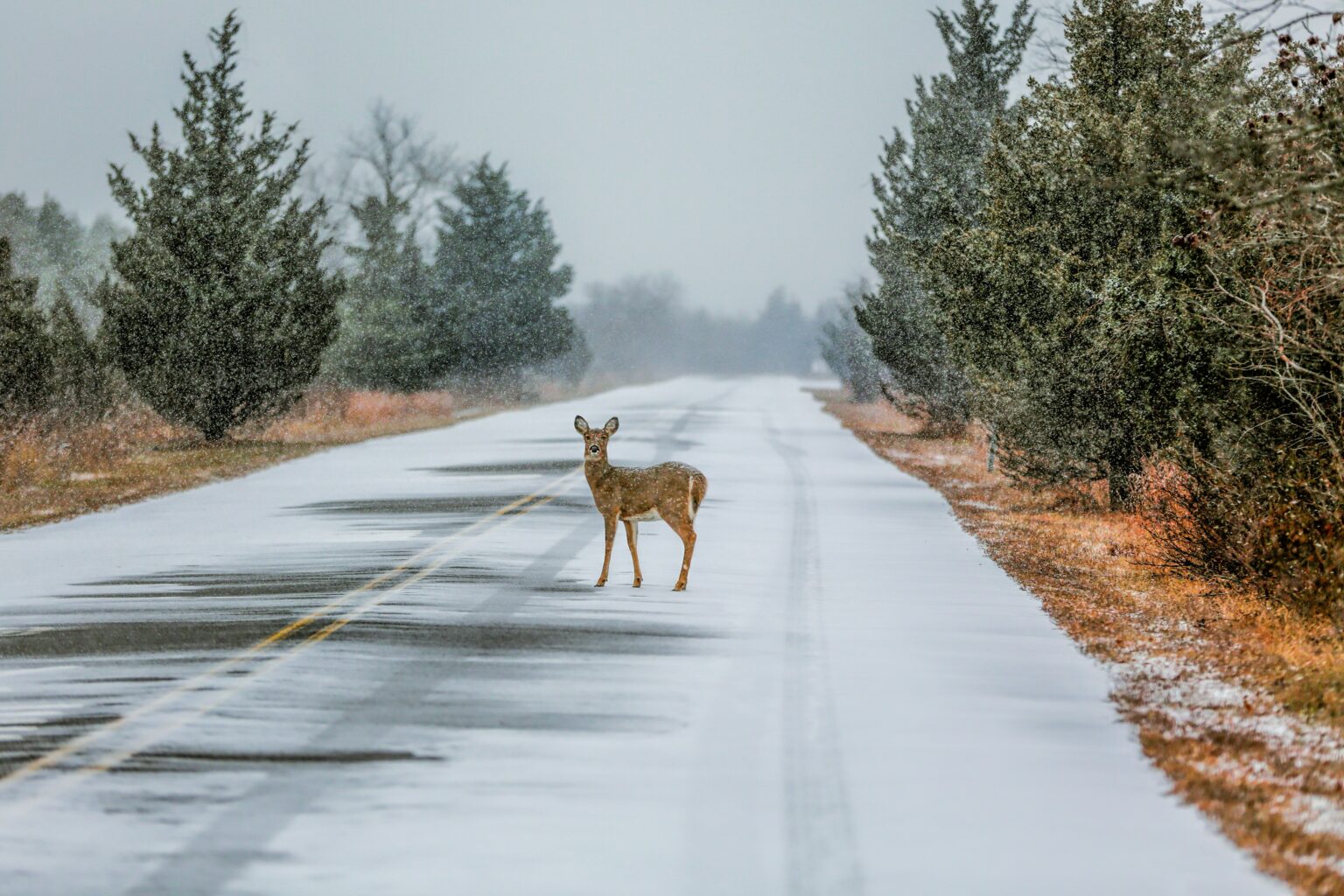
Black ice is a thin, clear layer of ice that looks like wet pavement. It is hard to spot and often forms first on bridges, overpasses, ramps and shaded stretches of road, especially in the early morning, at night and after daytime melting refreezes.
If you feel your car start to slide:
- Stay calm and take your foot off the gas.
- Avoid slamming on the brakes. If your car has anti-lock brakes, press firmly and steadily and let the system work.
- Look and steer gently in the direction you want the car to go.
- Avoid sudden, jerky steering corrections.
When forecasters call for freezing rain or ice, the safest choice is often to stay home until roads are treated.
What to Do If Another Driver Hits You in Winter Weather
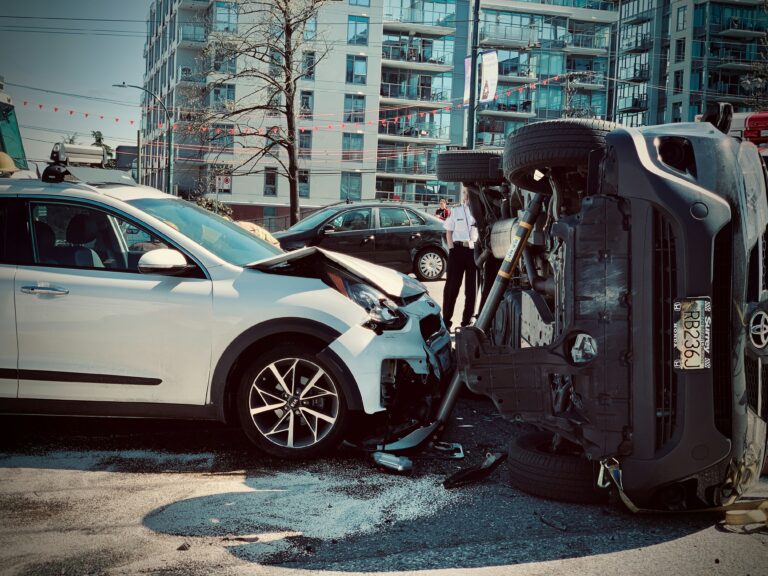
Icy roads don’t automatically excuse a crash. Drivers are expected to adjust their speed and following distance to the conditions, and a driver who didn’t may be responsible for your injuries. If you are hurt:
- Get to safety and call 911. Ask for police so a crash report is made. Our guide to Georgia crash report codes explains how officers record weather and road conditions.
- Photograph everything, including the road surface, ice or snow, the vehicles, skid marks and any warning signs.
- Get witness names and phone numbers, and note any nearby cameras.
- See a doctor promptly, even if you feel fine. Some injuries show up hours or days later.
- Be careful with insurers. Stick to basic facts and avoid recorded statements with the other driver’s insurer until you have advice.
Georgia uses modified comparative fault. If you are found partly at fault, your recovery is reduced by your share, and you recover nothing at 50% or more (O.C.G.A. § 51-12-33). Most injury claims must be filed within two years (O.C.G.A. § 9-3-33). Our After the Wreck guide walks through the first days after a crash in more detail.
Frequently Asked Questions
Is a Driver Still at Fault If They Slid on Ice?
They can be. Georgia law requires drivers to adjust their speed and following distance for road conditions. If a driver was going too fast for the ice or following too closely to stop, the weather may not excuse the crash. Fault depends on the evidence, including the crash report, photos, witness statements and vehicle damage.
Does Georgia Law Set a Specific Following Distance?
No. O.C.G.A. § 40-6-49 says drivers may not follow more closely than is reasonable and prudent, considering speed, traffic and the condition of the road. That means the safe distance grows as conditions get worse, and on ice it should be much greater than usual.
Can I Make a Claim If an Icy Road Caused My Crash?
Claims based only on road conditions are harder. If a city, county or the State maintains the road, special immunity rules apply, and written notice deadlines can be as short as six months for a city and 12 months for a county or the State. Our guide to Georgia personal injury deadlines explains these rules.
What If the Driver Who Hit Me Has No Insurance?
Your own uninsured motorist coverage may pay for your injuries. Report the crash to your insurer promptly and check your policy’s notice requirements. You can learn more on our car accident practice page.
If you were hurt in a winter crash caused by another driver, The Gunn Law Group can help you understand your options. We offer a free, no-obligation consultation, and there is no attorney fee unless we recover for you. Call 888-BIG-GUNN (888-244-4866).