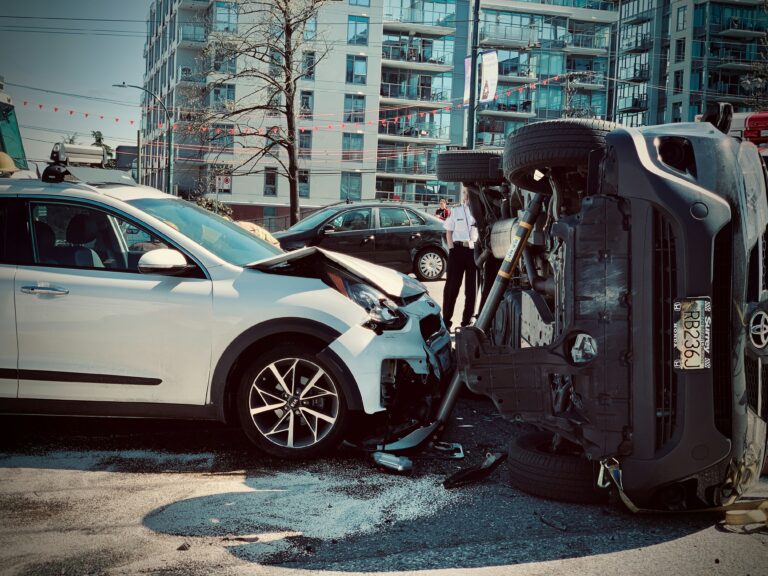

As students return to class across metro Atlanta, school zones fill with buses, carpool lines, walkers and cyclists. The first weeks of August are an adjustment for everyone, and crashes during drop-off and pick-up can leave children and parents with real injuries. If your child is hurt in a back-to-school crash, the most important steps are getting medical care, preserving evidence quickly and understanding how Georgia injury claims work for kids.
Traffic patterns are new, parents are rushing, teen drivers are on unfamiliar routes and early morning rain or low sun can cut visibility. Add phones and in-car screens, plus construction near campuses, and risk rises quickly. Even a “minor” impact can cause a concussion, whiplash, a fracture or serious pedestrian injuries, especially for a child.
Key Takeaways
- Get every child checked by a medical provider after a crash, even if they say they feel fine.
- Ask the school, bus operator and nearby businesses in writing to preserve video before it is recorded over.
- Georgia is an at-fault state, so proving negligence such as speeding, failing to yield or phone use affects what you can recover.
- A child’s own injury claim generally can be filed until two years after the child turns 18, but some related deadlines are much shorter.
- Claims involving public school buses or school property raise sovereign immunity issues and need prompt attention.
What to Do Immediately After a School Zone Crash
- Call 911 and seek medical care. Request an EMT evaluation for any child or adult who may be injured, even if symptoms seem mild.
- Document the scene. Photograph vehicle positions, crosswalks, signage, bus stop locations, skid marks and road conditions.
- Collect information. Exchange insurance and contact details, and get names for crossing guards, school staff and witnesses.
- Request a police report number. Ask officers about school, bus or traffic-camera footage and how to obtain it.
- Notify the school. Report the incident to administrators or the school resource officer so they can preserve video and witness lists.
- Avoid recorded statements to insurers. Don’t guess about injuries or fault until you have legal guidance.
- Follow all medical recommendations. Consistent treatment records are crucial evidence in a Georgia personal injury claim.
For a fuller checklist, see our after-the-wreck guide.
Common Injuries to Watch for in Children
Children don’t always describe pain clearly, and some injuries show up hours or days later. Watch for:
- Headaches, sleepiness, irritability or trouble concentrating, which can signal a concussion
- Neck and back pain from sudden stops in carpool lines
- Wrist, arm, knee and ankle fractures, especially for kids on foot or on bikes
- Cuts and bruising from seat belts or broken glass
- Nightmares, fear of riding in the car or anxiety about walking to school
Tell your child’s teacher and school nurse about the crash so they can let you know about symptoms during the school day.
Who Can Be Held Responsible
Liability can extend beyond an individual driver:
- The at-fault driver, for speeding, phone use, failing to stop for a school bus or failing to yield at a crosswalk. Georgia’s hands-free law (O.C.G.A. § 40-6-241) bars drivers from holding a phone while driving.
- Construction or traffic-control contractors, if poorly managed detours or lane closures contributed to the wreck.
- Private bus companies and third-party vendors, for improper loading or unsafe stops.
- Manufacturers, in rare cases where defective brakes or tires contributed to the crash.
Public school districts are different. Georgia school districts generally have sovereign immunity, with limited waivers mainly for negligent use of motor vehicles. If a school bus or district vehicle was involved, special procedures and limits may apply, so talk with a lawyer early. When the at-fault driver has little or no coverage, your own uninsured/underinsured motorist coverage may help.
What Damages Families Can Recover
When another party’s negligence caused the crash, a claim may include:
- ER visits, imaging, follow-up care and therapy
- Future medical care for injuries that affect a growing child
- Adaptive equipment and counseling
- A parent’s missed work to take a child to appointments
- Childcare and transportation costs
- Pain and suffering, including fear, anxiety and missed activities
- Vehicle repair or total loss
Georgia uses modified comparative fault. Any award is reduced by an injured person’s share of fault, and there is no recovery at 50% or more (O.C.G.A. § 51-12-33). Adjusters may try to blame a stressed parent or a child who stepped off the curb, so evidence gathered early matters.
Deadlines for a Child’s Injury Claim
Most Georgia injury claims must be filed within two years (O.C.G.A. § 9-3-33). For a child’s own claim, Georgia generally gives the same time after the child turns 18 (O.C.G.A. § 9-3-90). That does not mean you should wait. Parents’ claims for a child’s medical expenses, property damage claims (four years under O.C.G.A. § 9-3-31) and notice deadlines for claims against a city or county run on their own schedules. Read more about Georgia personal injury deadlines.
How the Gunn Law Group Helps
We move quickly to request evidence before it disappears, including dash-cam and campus video, 911 audio, witness statements and scene photos. We work with your child’s medical providers to document injuries, look at every available insurance policy and handle communications with adjusters so you can focus on your family.
Frequently Asked Questions
Should I Take My Child to the Doctor If They Seem Fine After a Crash?
Yes. Children may not recognize or describe symptoms, and concussions and soft-tissue injuries can appear later. A prompt exam protects your child’s health and creates a record linking the injuries to the crash.
How Do I Get School Camera Footage After a Drop-Off Crash?
Ask the school principal or district in writing, as soon as possible, to preserve any video of the crash area and time. Include the date, time and location. Many systems record over footage on a schedule, so a quick written request is important.
Will My Car Insurance Rates Go Up If Another Driver Hit Us?
In Georgia, the at-fault driver’s insurer is generally responsible for your losses. Whether your own rates change depends on your insurer and the facts. Using your own uninsured motorist or medical payments coverage when the other driver is at fault is a normal use of coverage you paid for.
Can a Parent Recover Money for Their Own Losses When a Child Is Hurt?
Often, yes. Parents may be able to recover the child’s medical expenses and related costs they paid, while the child’s claim covers the child’s pain and suffering and future losses. These claims can have different deadlines, so get advice early.
If a school zone or bus-stop crash has disrupted your family’s routine, you don’t have to handle it alone. The Gunn Law Group offers a free, no-obligation consultation, and you pay no attorney fee unless we recover for you. Call 888-BIG-GUNN (888-244-4866).