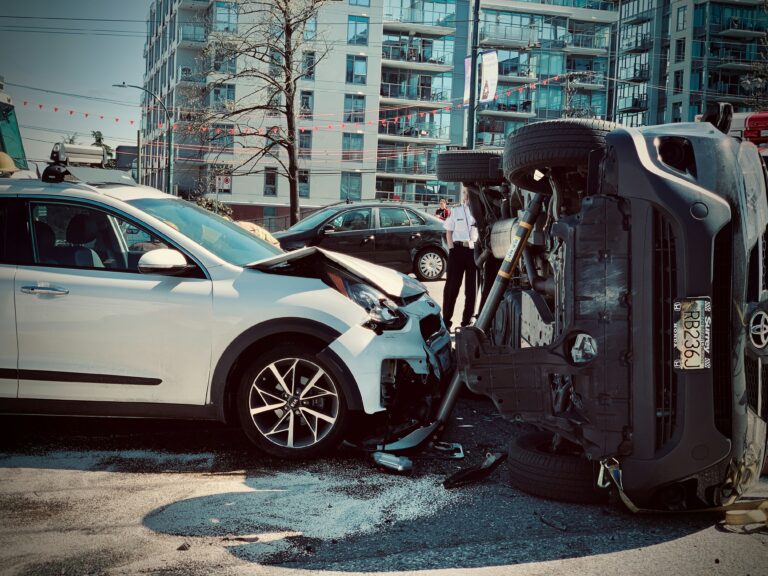

Labor Day weekend caps Georgia’s summer travel season, and a little planning in late August can lower your risk on crowded highways. If you are hurt in a holiday crash, get medical care, document the scene and the other driver’s information, and be careful with insurers. Georgia is an at-fault state, so the driver who caused the crash is responsible, and impaired drivers can face punitive damages without the usual cap.
Heavy traffic, late-night driving, work zones and impaired drivers all come together over the long weekend. Out-of-state drivers and rental cars can make the insurance side more complicated, and evidence can disappear quickly if no one acts. Here is how to prepare and what to do if a crash happens.
Key Takeaways
- Plan your route and timing ahead of the holiday, and check for work zones and closures before you leave.
- Georgia’s hands-free law bars drivers from holding a phone while driving (O.C.G.A. § 40-6-241).
- After a crash, get medical care, get the police report number and photograph everything before vehicles are moved.
- Georgia’s $250,000 punitive damages cap does not apply when the at-fault driver was impaired by alcohol or drugs.
- Most Georgia injury claims must be filed within two years.
Plan Ahead in Late August
A few steps before the holiday can make the drive safer:
- Check your vehicle. Look at tire pressure and tread, wipers, lights and brakes. Late-summer heat is hard on tires.
- Time your trip. Leaving early in the day or avoiding the busiest travel windows can mean less congestion and fewer tired drivers.
- Check for work zones and closures. Use Georgia DOT travel information or a traffic app before you go, and slow down in work zones.
- Set up your phone before you drive. Georgia’s hands-free law prohibits holding or supporting a phone while driving.
- Plan a sober ride. If you will be celebrating, arrange a designated driver or rideshare in advance.
- Watch for stopped vehicles. Georgia’s move-over law requires drivers to move over or slow down for stopped emergency, towing, highway maintenance and utility vehicles showing flashing lights (O.C.G.A. § 40-6-16).
Common Labor Day Crash Types
Holiday weekend crashes often involve:
- Rear-end collisions in stop-and-go traffic on interstates and near beaches, lakes and event venues
- High-speed lane changes and sideswipes as drivers weave through congestion
- Multi-vehicle pileups when traffic stops suddenly
- DUI crashes late at night after cookouts and parties
- Fatigue-related crashes on long drives home at the end of the weekend
Injuries can include whiplash, back injuries, fractures and concussions. Learn more on our car accident and DUI accident pages.
What to Do If a Crash Happens
- Call 911 and get a medical evaluation. Get checked even if you feel okay. Symptoms often appear later.
- Move to safety and document. Photograph vehicles, license plates, debris, skid marks, traffic signals and road and weather conditions.
- Exchange information. Get the other driver’s name, insurance, plate and, for rental cars, the rental company’s name.
- Identify witnesses and cameras. Ask nearby businesses about surveillance and save any dash-cam footage.
- Get the police report number. It anchors your claim and helps locate other evidence. Our guide to Georgia crash report codes explains how to read the report.
- Notify your insurer carefully. Report the crash, but avoid recorded statements to the other driver’s insurer and quick offers until you understand your injuries.
- Follow medical advice. Consistent treatment records are essential evidence.
Insurance Issues with Out-of-State Drivers and Rental Cars
Holiday traffic brings many drivers from other states. A crash in Georgia is generally handled under Georgia law, and every driver must carry at least the insurance their own state requires. Georgia’s own minimum liability limits are $25,000 per person and $50,000 per accident for injuries and $25,000 for property damage, which may not cover a serious injury.
When the at-fault driver has too little insurance, or none at all, your own uninsured/underinsured motorist coverage may make up the difference. Rental cars can add another layer: the driver’s personal policy, a credit card benefit, or coverage bought at the counter may each come into play.
What You Can Recover
Georgia’s fault system allows injured people to seek:
- Medical bills and future care
- Lost wages and reduced earning capacity
- Vehicle repair or total loss
- Pain and suffering
In DUI cases, punitive damages may also be available. Under O.C.G.A. § 51-12-5.1, the usual $250,000 cap does not apply when the at-fault driver was impaired by alcohol or drugs. Under Georgia’s modified comparative fault rule (O.C.G.A. § 51-12-33), your recovery is reduced by your share of fault and barred at 50% or more.
Frequently Asked Questions
What If the Driver Who Hit Me Lives in Another State?
A crash in Georgia is generally handled under Georgia law, and the other driver’s insurer should still respond to your claim. If that driver’s coverage is too low, your own uninsured/underinsured motorist coverage may help.
Should I Accept a Quick Offer After a Holiday Crash?
Be cautious. Early offers often come before you know the full extent of your injuries, and accepting one usually ends your claim. Learn about common insurance lowball tactics.
Can I Get Punitive Damages If a Drunk Driver Hit Me?
Possibly. Georgia allows punitive damages when a driver’s conduct shows conscious indifference to consequences, and the $250,000 cap does not apply when the driver was impaired by alcohol or drugs.
How Long Do I Have to File a Claim?
Most Georgia personal injury claims must be filed within two years (O.C.G.A. § 9-3-33), and property damage claims within four years (O.C.G.A. § 9-3-31).
If a Labor Day trip ended in a crash, The Gunn Law Group can review your options in a free, no-obligation consultation. You pay no attorney fee unless we recover for you. Call 888-BIG-GUNN (888-244-4866). Hablamos español.