If you are hurt in a construction zone crash in Georgia, the driver who was speeding, tailgating or distracted is usually responsible, but a road contractor may share fault if the work zone was poorly marked, lit or set up. Work zones change quickly, so photograph the signs, cones and lane layout right away, and be aware that claims involving a government agency can have short notice deadlines.
August roadwork across Georgia brings lane shifts, narrowed shoulders and sudden slowdowns that catch drivers off guard. Projects on metro Atlanta interstates and suburban corridors tend to push hard before Labor Day, and that means more rear-end collisions, sideswipes during merges and crashes involving construction vehicles. Here is how to stay safe in late-summer work zones and protect your rights after a crash.
Key Takeaways
- Speeding in a designated Georgia highway work zone carries a fine of $100 to $2,000 and up to 12 months in jail (O.C.G.A. § 40-6-188).
- The at-fault driver is usually the main responsible party, but contractors can share fault for missing signs, poor lighting or an unsafe lane layout.
- Work zone layouts can change within hours. Photograph the setup and note contractor names and equipment numbers.
- Claims against the State of Georgia generally require written notice within 12 months, and claims against a city within six months.
- Georgia’s modified comparative fault rule reduces your recovery by your share of fault and bars recovery at 50% or more.
Why Construction Zones Are So Hazardous
In work zones, traffic patterns can change with little warning, lanes are reduced and drivers must merge under pressure. Nighttime paving adds glare from work lights and low visibility. Distracted driving, speeding and tailgating make these conditions more dangerous.
Common work zone crashes include:
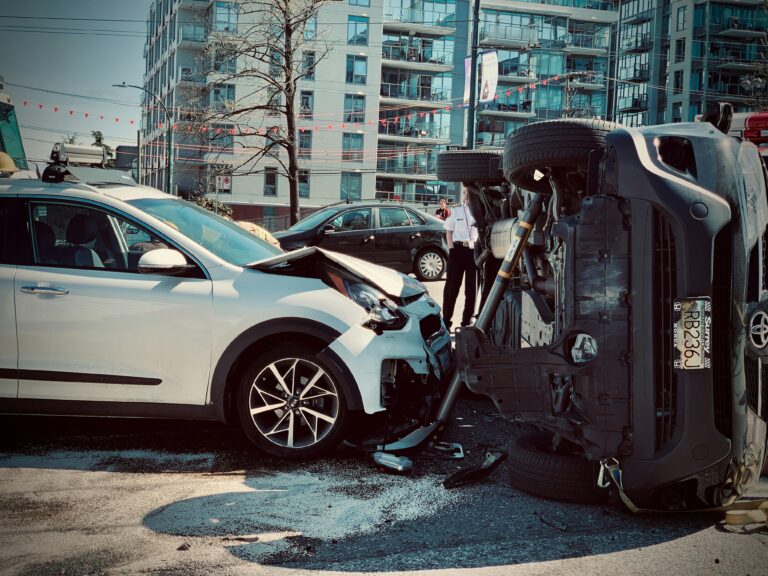
- Rear-end collisions when traffic suddenly slows at a lane closure
- Sideswipes at merge points and lane shifts
- Crashes with barriers, barrels or construction equipment
- Collisions with trucks entering or leaving the work area
- Injuries to pedestrians, cyclists and roadside workers when barriers are missing or signs are confusing
Injuries range from whiplash and concussions to fractures and traumatic brain injuries.
Tips for Driving Safely Through Work Zones
- Slow down to the posted work zone limit. Georgia’s work zone speeding penalties are steep, and reduced speeds give you time to react.
- Leave extra following distance. Sudden stops are the most common danger.
- Merge early when you see lane-closure signs rather than racing to the end of the lane.
- Put the phone away. Watch for flaggers, lane shifts and workers.
- Plan around closures. Check traffic apps or Georgia DOT travel information before you leave.
Who May Be Liable for a Work Zone Crash
Georgia is an at-fault state, so liability depends on who failed to use reasonable care.
- Other drivers. A speeding or distracted driver who rear-ends a car stopped at a lane closure is typically responsible. Under Georgia law, drivers must not follow more closely than is reasonable and prudent. Our guide to Georgia rear-end accidents explains more.
- Contractors and subcontractors. A contractor may share fault if the site lacked proper warning signs, adequate taper lengths for merges, crash cushions or nighttime lighting required by traffic control standards, or if equipment or debris was left in travel lanes.
- Trucking companies. Commercial trucks operating in or around work zones must follow federal safety rules. See our truck accident page.
- Government agencies. Claims involving the State, a county or a city are subject to special rules and short notice deadlines. Written notice is generally required within 12 months for the State (O.C.G.A. § 50-21-26) and counties (O.C.G.A. § 36-11-1), and within six months for cities (O.C.G.A. § 36-33-5).
When a contractor is involved, its commercial insurance may add coverage beyond the at-fault driver’s policy.
What to Do After a Construction Zone Crash
- Call 911 and get medical care. Even if injuries seem minor, get checked and follow all care instructions.
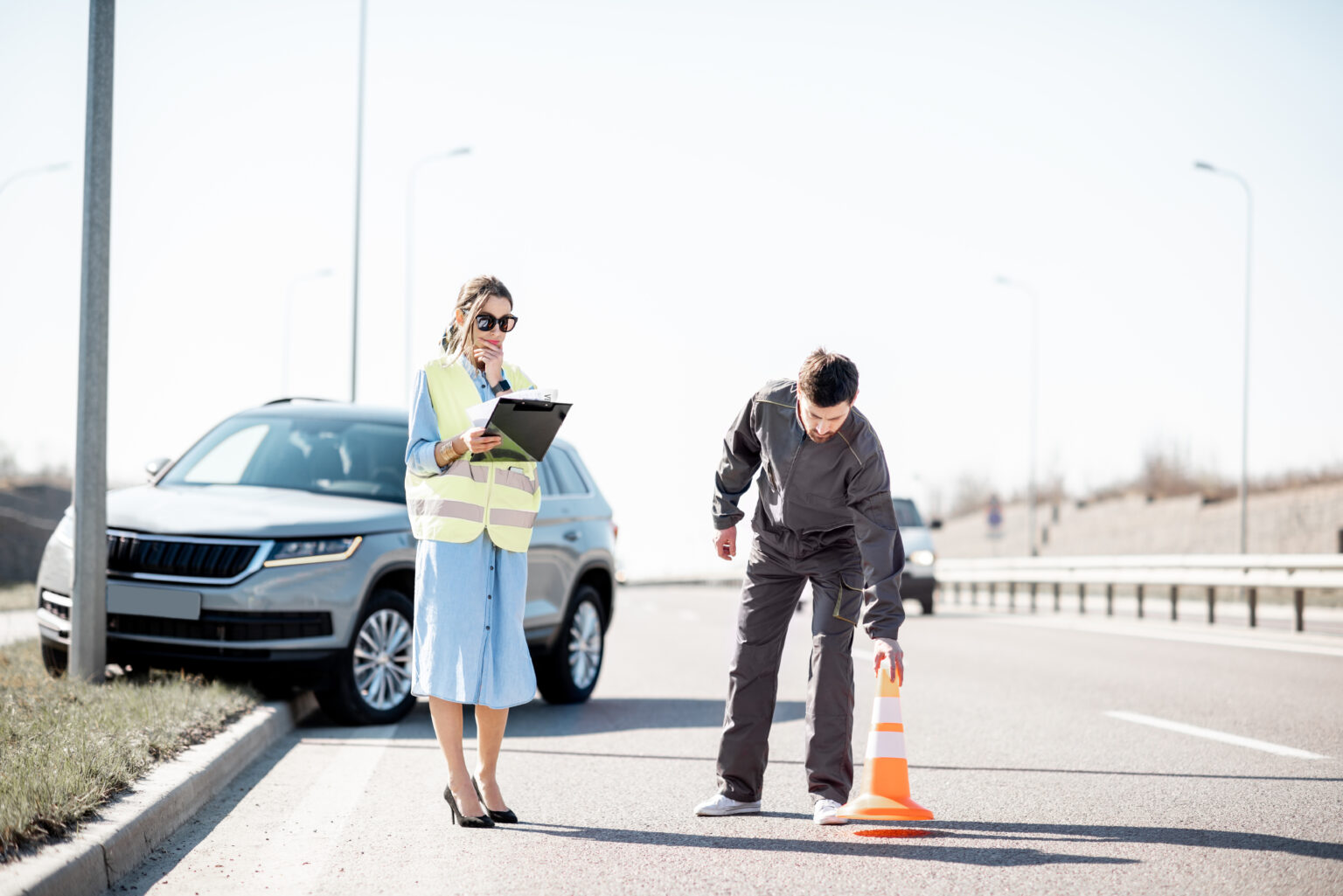
- Document the scene. Photograph lane closures, cones, barrels, arrow boards, message signs, detours, skid marks and lighting conditions. Take wide shots and close-ups.
- Note the work zone setup. Record where signs were placed, where the lane shifted and any missing or knocked-over devices.
- Collect contractor and witness information. Get names and phone numbers for witnesses, the names on contractor trucks and equipment, and flaggers on site.
- Save video. Ask nearby businesses and other drivers for footage, and save your own dash-cam video.
- Get the police report number. Our guide to Georgia crash report codes explains how to read the report.
- Be careful with insurers. Don’t speculate about fault in a recorded statement.
Damages in a Work Zone Crash Claim
A Georgia injury claim may include emergency care, hospital and follow-up treatment, physical therapy, lost wages, reduced earning capacity and pain and suffering. Punitive damages are available only in limited cases, such as when the at-fault driver was impaired or acted with conscious indifference to consequences (O.C.G.A. § 51-12-5.1). Under O.C.G.A. § 51-12-33, your recovery is reduced by your percentage of fault, and you cannot recover if you are 50% or more at fault.
Frequently Asked Questions
Can I Sue a Construction Company for a Work Zone Crash?
Possibly. If a contractor failed to set up signs, lighting, barriers or lane shifts as required, or left equipment or debris in the road, it may share responsibility with the driver who hit you. Photos of the setup taken right after the crash are often key evidence.
What If a Georgia DOT Project Was Involved?
Claims against the State of Georgia fall under the Georgia Tort Claims Act, which has its own rules and exceptions and generally requires written notice within 12 months of the loss. Talk to a lawyer early so you don’t miss a deadline.
Do Higher Work Zone Fines Affect My Injury Claim?
Fines are paid to the court in the traffic case, not to you. But the facts behind a work zone speeding ticket, and in some cases a guilty plea to it, can be useful evidence that the other driver was careless.
How Long Do I Have to File a Claim?
Most Georgia personal injury claims must be filed within two years (O.C.G.A. § 9-3-33), but government notice deadlines can be much shorter. See our guide to Georgia injury deadlines.
If a late-summer work zone crash left you injured, The Gunn Law Group can review what happened in a free, no-obligation consultation. You pay no attorney fee unless we win. Call 888-BIG-GUNN (888-244-4866). Hablamos español.