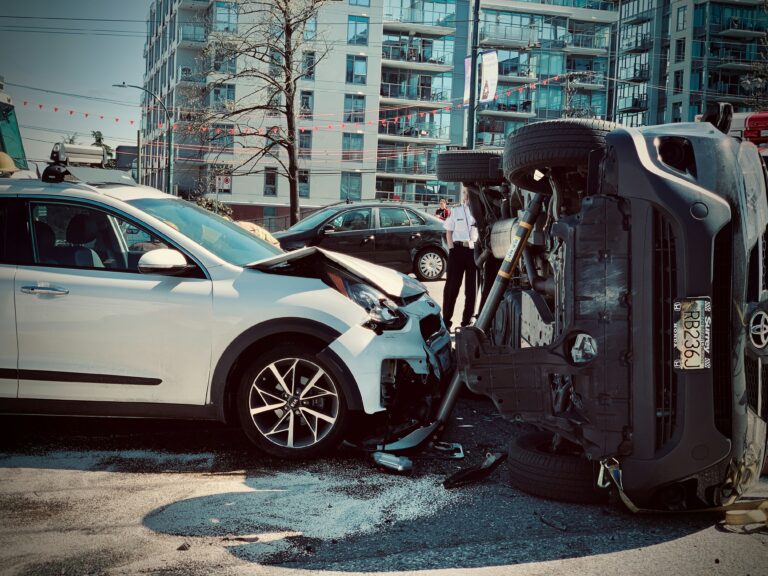
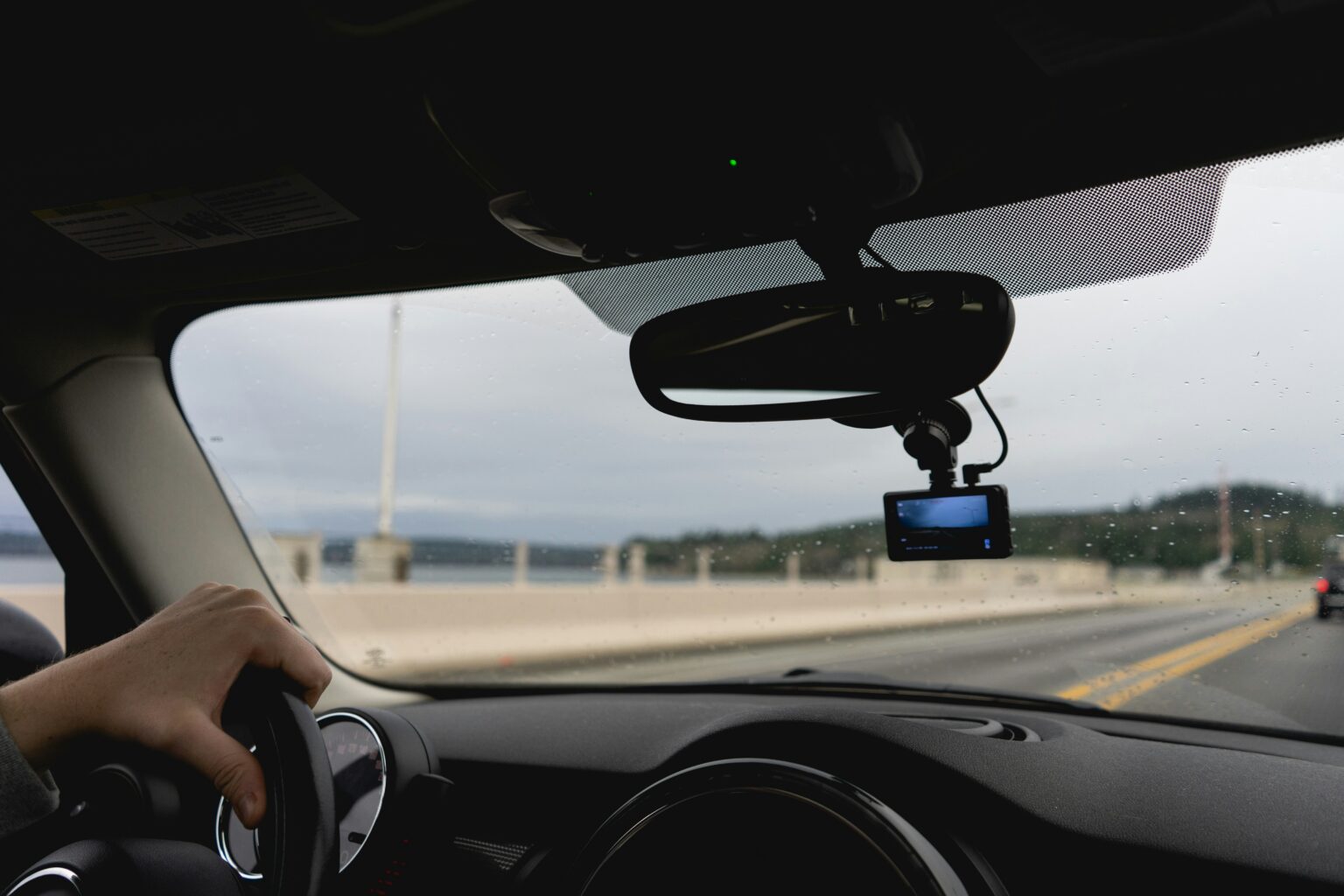
If you were hit in a Georgia car accident, video can be the difference between a fair settlement and months of arguing with an insurance company that suddenly “can’t determine fault.” Dashcams, business cameras and doorbell cameras can show the light was green, the other driver was speeding or a car changed lanes without warning.
The problem is that most footage does not last. Many private camera systems record over themselves on a loop, and some state traffic cameras do not record at all. If you want video evidence, you need to find it and ask for it to be preserved right away, often within days of the crash.
Key Takeaways
- Video can prove lane position, signal color, speed and distraction, and it can shut down blame shifting.
- Many business and home cameras overwrite footage automatically, sometimes within days.
- Georgia’s 511GA traffic cameras are live feeds that, according to 511GA, do not record, so do not count on them.
- Send written preservation requests quickly to anyone who may have footage.
- Do not wait until treatment ends to start looking for video.
Why Video Matters So Much
Insurance companies are more comfortable with cases that have no video. When it is your word against the other driver’s, an adjuster can delay, deny or argue you share the blame. Video removes the guessing. It can confirm impact speed, lane position, following distance, phone use and even whether the other driver stopped after the crash.
In the Atlanta area, many crashes happen near businesses, parking decks, gas stations and busy intersections where cameras are common. The key is knowing where to look and moving fast.
Where Video Evidence Usually Comes From
Most people think only dashcams matter, but there are many possible sources:
- Your dashcam or the other driver’s
- Rideshare dashcams and interior cameras
- Business surveillance cameras facing the road
- Apartment complex and parking deck cameras
- Gas station and convenience store cameras
- Doorbell and home security cameras
- Commercial truck cameras and fleet tracking systems
- School bus and transit cameras
- Police dashcam or body camera video
- Phone video from witnesses
Even if you did not notice a camera, assume there may be one nearby.
What About Georgia Traffic Cameras?
Many people assume a state traffic camera captured their crash. The Georgia Department of Transportation’s 511GA cameras are live traffic feeds, and 511GA states that its cameras do not record, so that footage is not available afterward. Some local governments, transit agencies and school systems run their own cameras with different policies, so it is still worth asking, but private cameras near the crash are often a better bet.
Why Timing Matters More Than People Realize
Many businesses and homeowners use systems that record over old footage automatically. How long video is kept varies widely, and it can be gone before the police report is even ready. That is why waiting to “see how you feel” can cost you evidence that proves the other driver caused the wreck.
A written preservation request helps. In Phillips v. Harmon (2015), the Georgia Supreme Court held that a party’s duty to preserve relevant evidence can arise once litigation is reasonably foreseeable, not only after a lawsuit is filed. A clear letter puts a business or trucking company on notice about exactly what to keep. For commercial trucks, federal rules require carriers to keep hours-of-service records for at least six months, but camera video may be kept for a much shorter time, so letters should go out quickly. Our truck accident lawyers send these requests early in truck cases.
How Video Helps Under Georgia’s 50 Percent Rule
Georgia uses modified comparative fault. Under O.C.G.A. § 51-12-33, your damages are reduced by your percentage of fault, and you recover nothing if you are 50 percent or more at fault. If an insurer can push enough blame onto you, it can cut your compensation or wipe it out.
Video can show you were in your lane, had the green light, were not following too closely, or that the other driver made the unsafe move. When fault is clear, the insurer loses one of its main arguments for a low offer. Our guide to insurance lowball tactics explains how fault arguments are used to shrink claims.
Steps to Take Right Now to Protect Your Claim
- Write down the exact location, including cross streets, nearby businesses and the direction each car was traveling. Video searches depend on precise details.
- Take wide photos and a short video of the scene showing traffic lights, signs, lane markings and nearby buildings. This helps identify camera angles.
- Look for cameras if you can safely do so, such as gas stations, parking decks, storefronts and homes with doorbell cameras.
- Ask witnesses if they recorded anything. Bystander phone video often captures the moments right after impact.
- Save your own dashcam footage right away by downloading it before the card records over it.
- Send a written preservation request to any business or property owner with cameras, asking them to save footage from the date and time window of the crash.
- Get the police report number and check the report for witness names and camera notes. Our guide to Georgia crash report codes can help you read it.
- Talk to a lawyer early so preservation letters go out fast and the claim is built around proof instead of arguments.
What Not to Do
Do not assume the police will collect footage. Do not assume a business will “hold it for you” without a written request. Do not rely on the insurance company to gather video, because missing footage often works in its favor. And do not wait until you finish treatment to start looking. Evidence and medical care are two tracks that should both start right after a crash. Our After the Wreck guide walks through both.
Frequently Asked Questions
Do Georgia Traffic Cameras Record Accidents?
The state’s 511GA traffic cameras are live feeds, and 511GA says they do not record, so that footage generally is not available later. Some cities, transit agencies and private businesses do record, which is why it pays to look for other cameras near the crash quickly.
How Long Do Businesses Keep Surveillance Video?
It varies. Many systems record over old footage automatically, sometimes within days. A prompt, written preservation request that names the date, time and location gives you the best chance of saving it.
Can I Use My Own Dashcam Video in a Georgia Car Accident Claim?
Generally, yes. Dashcam video is often strong evidence of what happened. Save the original file and a backup, do not edit it, and share it with your lawyer before you send it to an insurance company.
What If the Video Shows I Was Partly at Fault?
It does not automatically end your claim. Under Georgia’s comparative fault rule, you can still recover if you are less than 50 percent at fault, with your award reduced by your share. A lawyer can review the footage alongside the other evidence.
If you think video could prove what happened in your crash, time matters. The Gunn Law Group offers a free, no-obligation consultation, and there is no attorney fee unless we recover for you. Call 888-BIG-GUNN (888-244-4866) to talk about your Georgia car accident claim.