
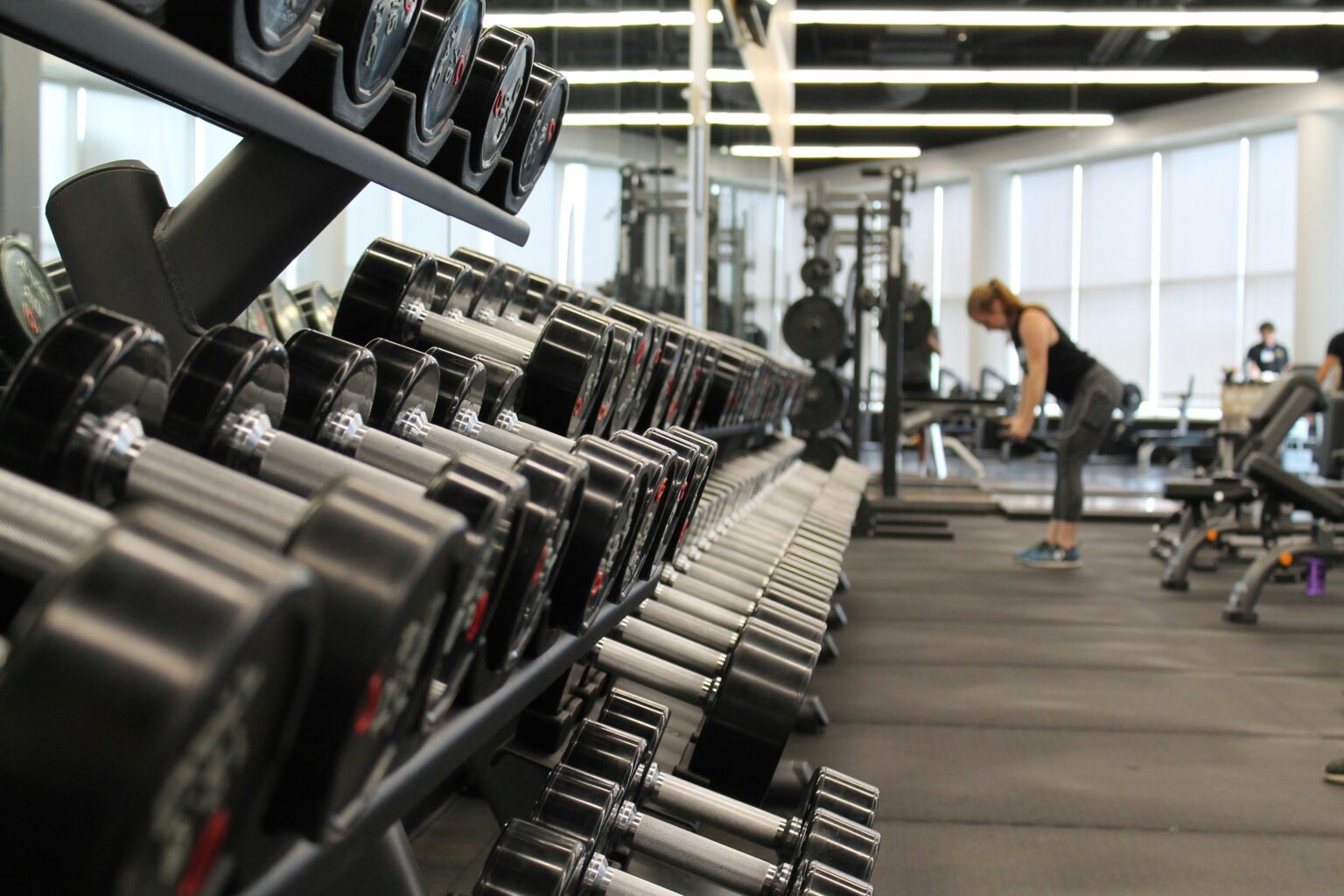
New year, new routines and packed gyms. January brings crowded floors, rushed equipment walkthroughs, slick locker-room tiles and machines pushed hard by first-month enthusiasm. If you were hurt at a Georgia fitness center, whether you slipped in the showers, a cable snapped on a machine or a trainer made a mistake, you may still have a claim even if you signed a waiver.
Georgia courts generally enforce clear gym waivers for ordinary negligence, but a waiver does not protect a gym from gross negligence or willful misconduct, and unclear waiver language can fail. Whether you can recover depends on the waiver’s exact wording, what caused the injury and how quickly you protect the evidence.
Key Takeaways
- A signed gym waiver does not automatically end your claim. Georgia law does not allow waivers of gross negligence, and waivers must be clear and unambiguous.
- Gym members and paying guests are generally invitees, so the owner must use ordinary care to keep the premises reasonably safe (O.C.G.A. § 51-3-1).
- Under Georgia’s comparative fault law, your recovery is reduced by your share of fault and barred at 50% or more (O.C.G.A. § 51-12-33).
- Most Georgia injury claims must be filed within two years (O.C.G.A. § 9-3-33).
- Photos, the incident report, your membership agreement and preserved video often decide these cases.
First Steps After a Gym Injury
Your health comes first, then proof.
- Get medical care the same day and tell the provider exactly how the injury happened.
- Photograph the hazard or equipment: puddles, loose mats, missing end caps, frayed cables, warning signs or the lack of them, and the lighting. Photograph your footwear too.
- Ask staff for a written incident report and get a copy or the report number.
- Save your membership agreement and waiver. Many gyms let you download them from your account.
- Note camera locations and ask in writing that the gym preserve the video.
- Get names and phone numbers of staff and witnesses.
- Be careful with recorded statements to the gym’s insurer until you have spoken with a lawyer.
- Follow your treatment plan and keep a simple log of symptoms and missed work.
Do Gym Waivers Block Injury Claims in Georgia?
Not necessarily. Georgia treats a liability waiver as a contract, and courts generally enforce waivers that clearly release claims for ordinary negligence. But there are important limits:
- Gross negligence is not waivable. Georgia law permits parties to release only simple negligence claims, not gross negligence. Conduct such as ignoring a known broken machine for weeks may cross that line, depending on the facts.
- Willful or wanton misconduct is also outside a waiver’s protection.
- The language must be clear. Georgia courts have said exculpatory clauses must be explicit, prominent, clear and unambiguous. Fine print buried in a long membership form may be challenged.
- Scope matters. A waiver may cover the risks of exercise but not a hazard like a leaking roof in the locker room, depending on how it is written.
Each case turns on the waiver’s exact wording and the facts, which is why you should keep a copy of the agreement you signed.
Georgia Premises Liability Rules at the Gym
A gym member is an invitee. Under O.C.G.A. § 51-3-1, an owner must use ordinary care to keep the premises and approaches safe for invitees.
In slip-and-fall and trip cases, Georgia courts apply the framework from Robinson v. Kroger Co., 268 Ga. 735 (1997). The question is whether the owner had actual or constructive knowledge of the hazard and whether you lacked knowledge of it despite using ordinary care. Evidence such as repeated leaks, worn treads, broken machines left in service and missed cleaning checks can show the owner knew or should have known.
If a machine itself was defective, the manufacturer may also be responsible. If a trainer caused the injury, the gym may be responsible for its employee’s conduct. Learn more about premises liability claims and slip and fall injuries.
Common Gym Injury Scenarios
- Wet-floor and locker-room slips without prompt inspection, mats or warnings
- Equipment failures such as frayed cables, loose bolts or missing pins after poor maintenance
- Trainer or spotter mistakes that lead to dropped weights or unsafe form
- Cluttered walkways with bands, plates and cords that create trip hazards during peak hours
- Broken or poorly lit stairs, entrances and parking areas
Evidence to Save and Mistakes to Avoid
Save your membership agreement and waiver, the incident report, photos and video, staff and witness contacts, the shoes and clothing you wore, medical records and receipts, any visible repair logs or maintenance tags, and emails or texts with the club.
Mistakes that can hurt your claim include:
- Leaving without photos or a report
- Throwing away shoes or damaged gear
- Gaps in medical treatment
- Posting workout clips or “I’m fine” updates online
- Assuming the waiver ends your rights without having it reviewed
Insurance adjusters may use any of these to argue your injury was minor or your own fault. Our guide to insurance lowball tactics explains what to watch for.
Comparative Fault and Deadlines
Georgia uses modified comparative fault. If you are found partly responsible, for example for ignoring a posted warning, your damages are reduced by your percentage of fault. If you are 50% or more at fault, you cannot recover (O.C.G.A. § 51-12-33).
Most personal injury claims must be filed within two years of the injury under O.C.G.A. § 9-3-33, and different rules can apply to minors and certain other claims. If the gym is run by a city or county recreation department, much shorter notice deadlines may apply. See our guide to Georgia personal injury deadlines.
Frequently Asked Questions
Can I Sue a Gym in Georgia If I Signed a Waiver?
Possibly. Georgia courts generally enforce clear waivers for ordinary negligence, but they do not allow waivers of gross negligence or willful misconduct, and unclear waiver language can fail. A lawyer can compare the waiver’s wording to what actually happened.
What If a Personal Trainer Caused My Injury?
A trainer who pushes you past safe limits, spots you improperly or sets up equipment wrong may be negligent, and the gym may be responsible for its employee’s conduct. Whether a waiver covers trainer negligence depends on its wording. Write down what the trainer said and did while it is fresh.
How Long Do I Have to File a Gym Injury Claim in Georgia?
Most Georgia personal injury claims must be filed within two years under O.C.G.A. § 9-3-33. Evidence like surveillance video can disappear within days, so it helps to act quickly. Government-run facilities can have much shorter notice deadlines.
Does It Matter If I Was Partly at Fault?
Yes, but it may not end your claim. Georgia reduces your recovery by your share of fault, and you cannot recover if you are 50% or more responsible. Clear evidence of the hazard and the gym’s maintenance record can help keep blame where it belongs.
If you were hurt at a Georgia gym or fitness center, don’t let a boilerplate waiver or a quick offer decide your future. The Gunn Law Group offers a free, no-obligation consultation, and you pay no attorney fee unless we recover for you. Call 888-BIG-GUNN (888-244-4866).