
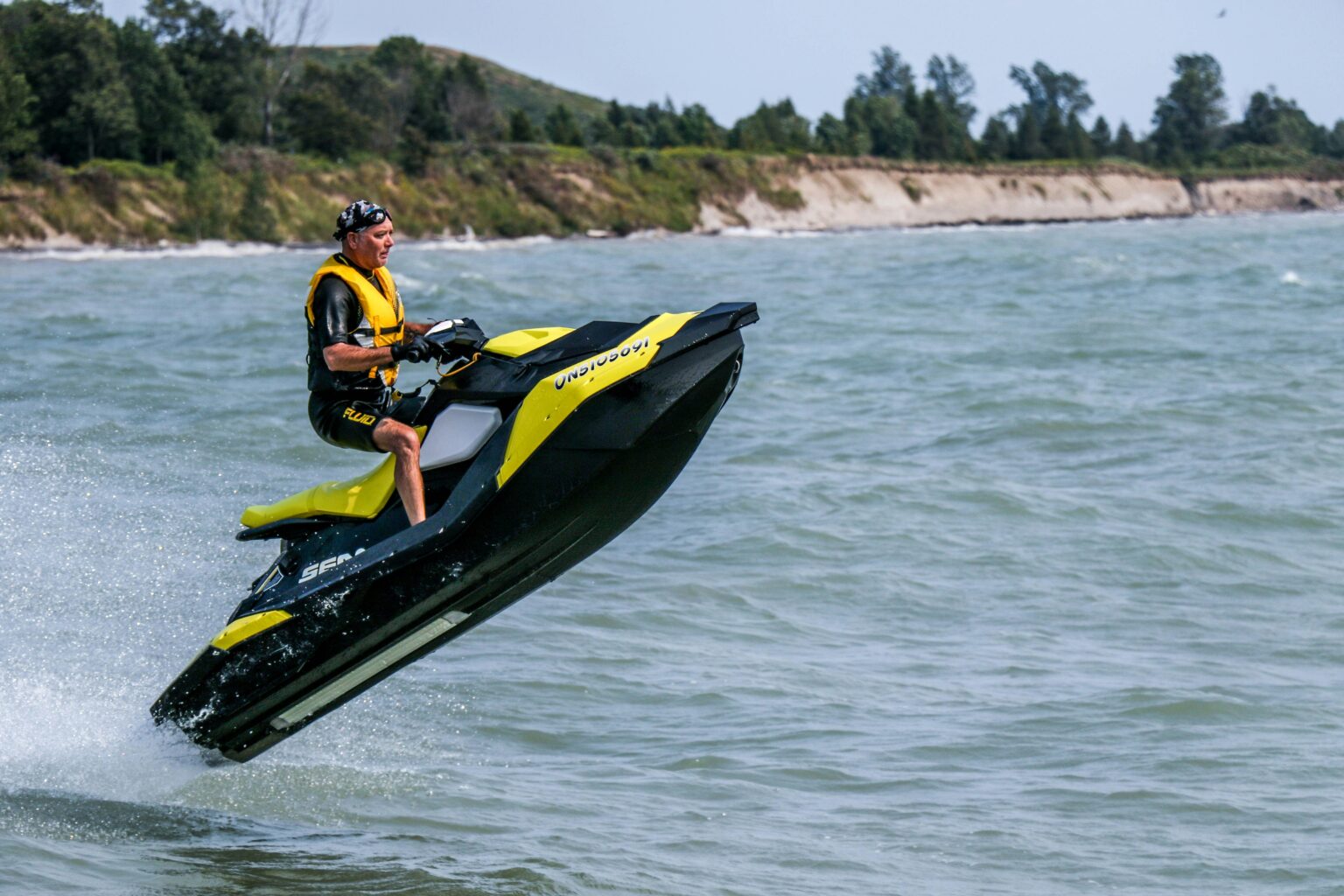
If defective recreational equipment injured you in Georgia, such as a bike with failed brakes, a scooter that broke apart, a climbing harness that gave way or a camp stove that caught fire, you may have a product liability claim against the manufacturer. Georgia law can hold a manufacturer strictly liable for a product that was not reasonably suited to its intended use when sold (O.C.G.A. § 51-1-11). The most important first step is to keep the equipment exactly as it is.
Georgia’s trails, lakes, rivers and campgrounds draw people outdoors all year. When gear fails, the injuries can be severe, including head trauma, fractures, burns and spinal injuries. This guide explains the legal theories, who may be responsible and how to protect your claim.
Key Takeaways
- A manufacturer can be strictly liable for a product that was not reasonably suited to its intended use when sold, without proof of carelessness (O.C.G.A. § 51-1-11).
- Most product claims involve a design defect, a manufacturing defect or a failure to warn.
- A retailer that only sold the product is generally not treated as the manufacturer for strict liability (O.C.G.A. § 51-1-11.1), but rental companies and others may face negligence claims.
- Product claims against a manufacturer generally must be filed within 10 years of the product’s first sale, with exceptions, and most injury claims within two years of the injury.
- Do not throw away, repair or return the equipment. It is the most important evidence.
Common Types of Defective Recreational Equipment
- Bicycles and e-bikes: brake failures, frame or fork cracks, handlebar or seat post failures and battery fires
- Electric scooters: stems that snap, sudden acceleration or braking, and battery problems
- Climbing and safety gear: harnesses, carabiners, ropes or belay devices that fail under normal loads
- Camping gear: stoves, lanterns and heaters that leak fuel, flare or cause carbon monoxide exposure
- Water sports equipment: kayaks, paddleboards and life jackets with defects in materials or flotation
- Helmets and protective gear: helmets that crack or fail to protect as labeled
- Playground and backyard equipment: trampolines, swing sets and zip lines that collapse or tip
Legal Theories in Defective Equipment Cases
- Design defect: The product is unsafe because of how it was designed. Evidence that a safer, practical design was available is often important.
- Manufacturing defect: The product was built differently from the intended design, such as a bad weld, weak material or missing part.
- Failure to warn: The manufacturer did not provide adequate warnings or instructions about risks that were not obvious.
Under O.C.G.A. § 51-1-11, a manufacturer of a product sold as new can be liable to anyone who uses it or is reasonably affected by it, even if that person did not buy it. Negligence claims can also apply when a manufacturer failed to use reasonable care in design, testing or warnings.
Who May Be Responsible
- The manufacturer, including makers of component parts in some cases
- A product seller, such as a retailer, generally cannot be held strictly liable as a manufacturer, but it may be responsible for its own negligence, such as assembling a bike incorrectly
- A rental company or outfitter that rented poorly maintained bikes, kayaks or gear
- A property owner that provided unsafe equipment to visitors, which may raise premises liability issues
Rental and activity businesses often ask customers to sign waivers. Georgia courts generally enforce clear waivers for ordinary negligence but not for gross negligence or willful misconduct, and a waiver with an outfitter may not cover the manufacturer. If a bike or scooter defect led to a crash, our bicycle accident page explains more.
Steps to Take After an Injury
- Get medical care and tell the provider exactly how the equipment failed.
- Preserve the equipment. Keep it in a safe, dry place in the condition it was in after the incident. Do not repair it, take it apart or send it back to the manufacturer, even if the company offers a replacement.
- Keep the packaging and paperwork: manuals, receipts, warranty cards, rental agreements and any waiver you signed.
- Photograph everything: the equipment, broken parts, labels, serial numbers, the scene and your injuries.
- Check for recalls. The U.S. Consumer Product Safety Commission posts product recalls, and a recall can be important evidence.
- Get witness information from anyone who saw the incident.
- Talk to a lawyer before contacting the manufacturer. Product cases often require engineering experts to examine the item, and changes to the equipment can hurt the claim.
Deadlines, Fault and Damages
Most personal injury claims in Georgia must be filed within two years of the injury (O.C.G.A. § 9-3-33). Product claims against a manufacturer also face a 10-year limit from the date of the product’s first sale. That 10-year limit does not apply to negligence claims involving products that cause a disease or birth defect, or conduct showing a willful, reckless or wanton disregard for life or property, and a manufacturer’s duty to warn about dangers it learns of continues after the sale. See our guide to Georgia personal injury deadlines.
Manufacturers may argue the equipment was misused, modified or poorly maintained. Under Georgia’s modified comparative fault rule, your recovery is reduced by your share of fault and barred at 50% or more (O.C.G.A. § 51-12-33). Damages can include medical bills, lost wages, future care and pain and suffering.
Frequently Asked Questions
Can I Sue the Store Where I Bought Defective Equipment?
Usually the main claim is against the manufacturer. Georgia law generally does not treat a retailer that only sold the product as a manufacturer for strict liability, but a store may be responsible for its own negligence, such as assembling or repairing the item incorrectly.
What If I Was Using Rented Equipment?
The rental company may be responsible if it failed to inspect or maintain the equipment, and the manufacturer may be responsible for a defect. Keep the rental agreement and any waiver, since the exact wording matters.
Should I Send the Broken Equipment Back to the Manufacturer?
No, not before getting legal advice. The item is the most important evidence in a product case, and once it leaves your control, it may be altered, tested destructively or lost.
How Long Do I Have to File a Defective Product Claim in Georgia?
Generally two years from the injury, and product claims against a manufacturer generally must also be brought within 10 years of the product’s first sale, with some exceptions. Older equipment can raise that 10-year issue, so act quickly.
If defective recreational equipment injured you or a loved one, The Gunn Law Group offers a free, no-obligation consultation, and you pay no attorney fee unless we recover for you. Call 888-BIG-GUNN (888-244-4866). Hablamos español.