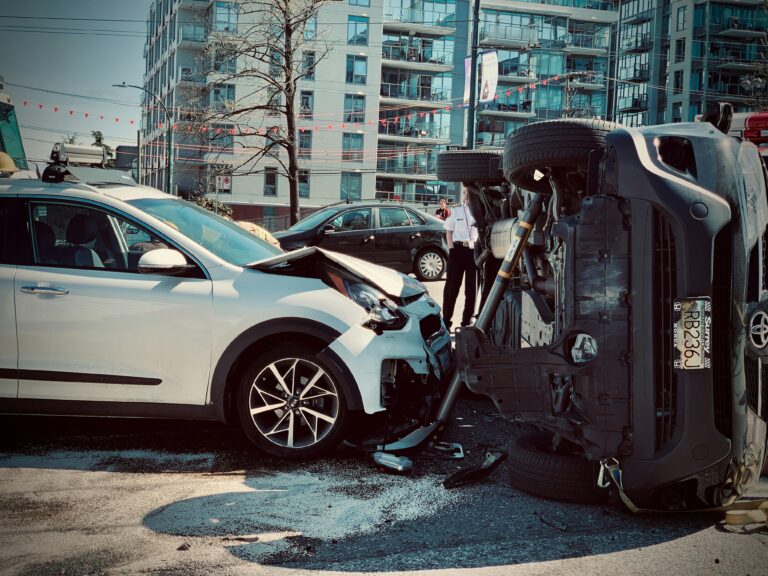
A tap in traffic, a scraped bumper, both drivers say “we’re fine.” It is tempting to swap numbers and drive away. In Georgia, that can be a crime, and it can quietly weaken an injury claim you didn’t know you’d need.
The short answer: yes, in most crashes. Under O.C.G.A. § 40-6-273, a driver involved in a crash that causes injury, death, or apparent property damage of $500 or more must immediately notify police by the quickest means available. With today’s repair costs, nearly any crash with visible damage can pass $500. Failing to report is a misdemeanor, and leaving the scene is a separate and more serious offense. Here is exactly what Georgia law requires and why calling it in almost always protects you.
Key Takeaways
- Georgia requires you to notify police immediately after any crash involving injury, death, or apparent damage of $500 or more (O.C.G.A. § 40-6-273).
- Calling 911 from the scene satisfies the rule in practice. Ask for the report or case number before you leave.
- Not reporting a qualifying crash is a misdemeanor. Leaving the scene of a crash with serious injury or death is a felony.
- A police report helps prove what happened, and if the other driver flees, a report can be required for an uninsured motorist claim.
- If no one is seriously hurt and your car can be driven, Georgia law requires you to move it out of the travel lanes, and doing so does not make you at fault.
What Georgia Law Requires
O.C.G.A. § 40-6-273 sets the rule. If a crash results in injury to or death of any person, or apparent damage to property of $500 or more, the driver must “immediately, by the quickest means of communication,” notify:
- The local police department if the crash happens inside a city, or
- The county sheriff, county police, or nearest Georgia State Patrol post if it happens outside city limits.
In practice, calling 911 satisfies the rule. Tell the dispatcher whether anyone is hurt and whether the cars can be moved. Before you leave, ask the officer for the report or case number.
Minor Crash? a Quick Guide
| Situation | What Georgia law requires |
|---|---|
| Anyone hurt or killed | Stop, help the injured, and call police immediately (O.C.G.A. §§ 40-6-270, 40-6-273) |
| Damage looks like $500 or more | Call police immediately. A bumper, headlight, or sensor repair often passes $500 |
| Damage clearly under $500, no injuries | Stop and exchange information. A police report may not be required, but it is still the safest choice |
| You hit a parked or unattended car | Stop, find the owner or leave a note with your name and address in a visible spot, and report it (O.C.G.A. § 40-6-271) |
| You were hit and the other driver fled | Report it right away. An uninsured motorist claim for a hit-and-run requires a report (O.C.G.A. § 33-7-11) |
What Happens If You Don’t Report?
Failing to report a crash that meets the § 40-6-273 threshold is a misdemeanor in Georgia. A misdemeanor can carry a fine of up to $1,000, up to 12 months in jail, or both, and a traffic conviction can add points to your license.
Leaving the scene is treated much more seriously. Under Georgia’s hit-and-run statute, O.C.G.A. § 40-6-270, drivers must stop, give their name, address, and tag number, show their license on request, and give reasonable help to anyone hurt. Knowingly leaving a crash that causes serious injury or death is a felony punishable by one to five years in prison. Leaving other crashes is a misdemeanor.
Why Reporting Protects Your Injury Claim
- It creates a record on day one. Adjusters may argue that a crash with no report was minor or didn’t happen the way you say.
- Uninsured motorist claims can depend on it. If the other driver flees or turns out to be uninsured, Georgia’s UM statute requires a hit-and-run crash to have been reported to police. Learn how uninsured and underinsured motorist coverage can step in.
- It locks in the other driver’s story. Drivers who apologize at the scene sometimes change their account a week later.
- It captures witnesses and insurance details you might not think to collect while shaken up.
“Minor” crashes can cause real injuries. Whiplash, concussions, and back injuries often show up a day or two later. That’s one reason rear-end accidents are often worth more than people think, and why adjusters may point to “light damage” to make a lowball offer.
Georgia’s “Steer It, Clear It” Rule
Reporting doesn’t mean blocking traffic. If no one appears seriously hurt and your car can be driven safely, Georgia law requires you to move it out of the travel lanes (O.C.G.A. § 40-6-275). Moving the car does not make you at fault. Photograph the positions first if you can do it safely, then wait for police somewhere out of traffic.
How to Get a Copy of Your Georgia Accident Report
Reports are usually available within a few business days through the responding agency or its online report vendor, such as BuyCrash.com. Keep your report or case number handy. When you get the report, check the names, insurance information, diagram, and narrative. Our guide to Georgia crash report codes explains what the numbers and boxes mean. If the report has factual mistakes, ask the agency how to request a correction or supplement.
If you were hurt, our Georgia car accident lawyers can review the report, find the available coverage, and handle the insurance companies for you.
Frequently Asked Questions
Do I Have to Call the Police for a Minor Car Accident in Georgia?
If anyone is hurt or the damage looks like $500 or more, yes. O.C.G.A. § 40-6-273 requires you to notify police immediately. Because many repairs cost more than $500, calling 911 is the safest choice after almost any crash.
What Is the Penalty for Not Reporting a Car Accident in Georgia?
Failing to report a crash that meets the legal threshold is a misdemeanor, which can mean a fine, possible jail time, and points on your license. Leaving the scene of a crash with serious injury or death is a felony.
How Long Do I Have to Report a Car Accident in Georgia?
The law says “immediately.” There is no grace period. If you did not report at the scene, contact the police agency for the area where the crash happened as soon as possible and ask how to file a report.
Should I Report a Car Accident to My Insurance Company?
Yes. Most policies require prompt notice of a crash, and late notice can put coverage at risk. Report the facts to your own insurer, but consider talking to a lawyer before giving a recorded statement to the other driver’s insurer.
If a “minor” crash left you hurt, you don’t have to sort out the report and the insurers alone. The Gunn Law Group offers a free, no-obligation consultation, and you pay no attorney fee unless we win. Call 888-BIG-GUNN (888-244-4866). Hablamos español.