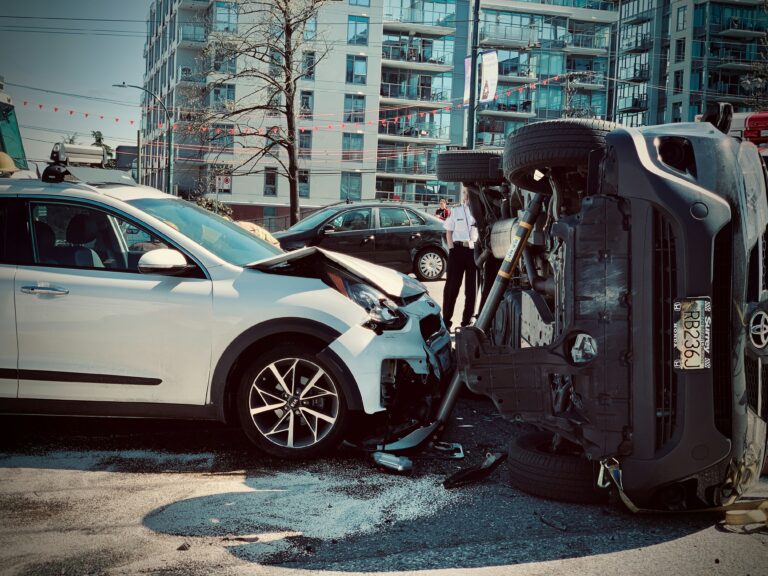

Summer is prime riding season in Georgia, and more motorcycles on the road in July means more chances for a driver to miss one. Because riders have so little protection, crashes with cars and trucks often cause life-changing injuries. If you or someone you love was hurt in a motorcycle accident caused by another driver, Georgia law allows you to seek compensation for your medical bills, lost income and pain and suffering.
Here’s what you need to know about common causes, Georgia’s motorcycle laws and how to protect your rights after a crash.
Key Takeaways
- Georgia law gives every motorcycle the right to full use of a lane (O.C.G.A. § 40-6-312).
- Georgia requires every motorcycle operator and passenger to wear an approved helmet (O.C.G.A. § 40-6-315).
- Many crashes happen when drivers turn left in front of a motorcycle or change lanes without checking blind spots.
- Preserve your bike, helmet and gear, and avoid recorded statements until you get legal advice.
- Most Georgia injury claims must be filed within two years (O.C.G.A. § 9-3-33).
Why Motorcycle Crashes Increase in July
- Warm weather puts more motorcycles on highways and city streets
- Holiday and weekend drivers may not be looking for bikes
- Distracted or impaired drivers often fail to see motorcycles
- Sudden summer storms leave roads slick
- Heavy vacation traffic and construction zones
Even safe, experienced riders are at risk when other motorists aren’t paying attention.
Common Causes of Motorcycle Accidents
- Drivers making left turns in front of motorcycles
- Lane changes without checking blind spots
- Rear-end collisions at stoplights or in heavy traffic
- Road hazards like potholes, loose gravel or debris
- Cars pulling out from driveways or side streets
In many of these crashes, the other driver simply failed to see the rider or misjudged the motorcycle’s speed. Georgia’s hands-free law (O.C.G.A. § 40-6-241) bars drivers from holding a phone while driving, and evidence of phone use can support a rider’s claim.
Georgia Motorcycle Laws That Affect Your Claim
Knowing the rules helps show who was at fault and answers common insurance arguments:
- Full use of a lane. Under O.C.G.A. § 40-6-312, no motor vehicle may be driven in a way that deprives a motorcycle of the full use of a lane.
- No lane splitting. The same law bars riding between lanes of traffic or between rows of vehicles, and riding more than two abreast in a single lane.
- Helmets and eye protection. Georgia has a universal helmet law. Every operator and passenger must wear approved protective headgear, and riders on motorcycles without a windshield must wear approved eye protection (O.C.G.A. § 40-6-315).
Georgia uses modified comparative fault. If you are found partly responsible, your damages are reduced by your percentage of fault, and you cannot recover if you are 50% or more at fault (O.C.G.A. § 51-12-33). Adjusters may argue that a rider was speeding or lane splitting, so scene evidence and witness statements matter.
What to Do After a Motorcycle Crash
- Get medical help immediately. Injuries can be severe or hidden, so don’t try to “walk it off.”
- Call police and file a report. Official documentation is key. Our guide to Georgia crash report codes explains how to read it.
- Document the scene. Photograph your bike, the other vehicle, your injuries and the road conditions.
- Gather witness information. Passersby, other riders or drivers can support your account.
- Don’t fix your bike. Keep your motorcycle, helmet and riding gear as evidence until your lawyer says otherwise.
- Check for video. Helmet cameras, dash cameras and nearby business video can show what happened.
- Speak with a lawyer before giving statements. Adjusters may try to blame you or minimize your injuries.
Common Injuries and Compensation
Motorcycle crashes often cause:
- Broken bones and fractures
- Road rash and deep cuts
- Head, neck and spinal cord injuries, even with a helmet
- Traumatic brain injuries and concussions
- Permanent disability or scarring
Riders often face long recoveries. A claim may include medical bills and future care, lost income and reduced earning ability, pain and suffering, and repair or replacement of your bike and gear.
Georgia’s minimum liability limit is $25,000 per person for bodily injury, which may not cover a serious motorcycle injury. Your own uninsured/underinsured motorist coverage may help fill the gap if the at-fault driver has too little insurance or leaves the scene.
Frequently Asked Questions
Can I Still Recover If I Wasn’t Wearing a Helmet?
Georgia requires helmets for all riders, so an insurer may raise the issue. Not wearing a helmet does not automatically bar a claim against a driver who caused the crash, but the other side may argue it affected certain injuries. The facts and medical evidence matter.
Is Lane Splitting Legal in Georgia?
No. Georgia law prohibits riding between lanes of traffic or between rows of vehicles. If a crash happened while a rider was lane splitting, the insurer will likely argue comparative fault, which can reduce or bar recovery.
Who Pays If the Driver Who Hit Me Had No Insurance?
Your own uninsured motorist coverage may pay, depending on your policy. Hit-and-run claims have reporting and proof requirements, so call police right away. Learn more in our Georgia UM coverage guide.
How Long Do I Have to File a Motorcycle Accident Claim in Georgia?
Most personal injury claims must be filed within two years, and property damage claims within four years. Claims involving a government vehicle or road defect have shorter notice deadlines, so it helps to act quickly.
If your summer ride turned into a hospital stay, you don’t have to take on the insurance companies alone. The Gunn Law Group offers a free, no-obligation consultation, and you pay no attorney fee unless we recover for you. Call 888-BIG-GUNN (888-244-4866).