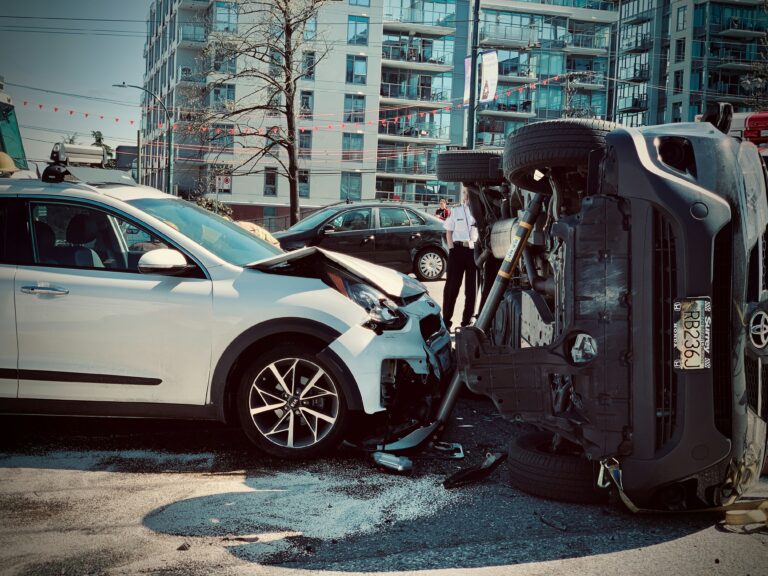

If you are hit by a drunk or impaired driver in Georgia, call 911, get medical care right away, and protect the evidence of impairment before it disappears. Georgia law lets you hold the drunk driver responsible for your medical bills, lost income and pain and suffering, and in some cases punitive damages and a claim against the bar or host that kept serving them.
July in Georgia means fireworks, lake weekends, backyard barbecues and late nights with friends. It is also a time of year when impaired driving is a serious danger. According to NHTSA, from 2020 to 2024, 2,719 people were killed in traffic crashes nationwide over the Fourth of July holiday period, and 38% of the drivers killed were drunk. Here is what to do if an impaired driver hurts you or someone you love, and how Georgia law protects your rights.
Key Takeaways
- Call 911 and tell the officer you suspect the other driver was impaired so it can be tested and documented.
- A drunk driver is responsible for the harm they cause, and Georgia’s usual $250,000 cap on punitive damages does not apply to a driver whose judgment was substantially impaired by alcohol or drugs.
- A bar, restaurant or other server may share responsibility under Georgia’s dram shop law in limited situations.
- Your own uninsured/underinsured motorist coverage can help if the drunk driver has little or no insurance.
- Most Georgia injury claims must be filed within two years of the crash.
Why Drunk Driving Crashes Rise in the Summer
Summer holidays bring more drinking at parties, cookouts, boat days and bars, and more people driving home late at night. Out-of-town visitors on unfamiliar roads, longer daylight hours that stretch celebrations later, and crowded highways around the Fourth of July all add risk.
Georgia law enforcement often increases patrols around summer holidays, but no amount of enforcement stops every impaired driver. In Georgia, it is illegal to drive with a blood alcohol concentration of 0.08 or more, or while under the influence of alcohol or drugs to the extent it is less safe to drive. A criminal DUI case is separate from your civil injury claim, and you do not need to wait for a conviction to protect your rights.
What to Do After a Suspected Drunk Driving Crash
- Call 911 immediately. Tell the dispatcher and the responding officer you believe the other driver is impaired. Officers can then conduct field sobriety or chemical tests and note what they observe in the report.
- Get medical attention. Impaired-driver crashes often happen at higher speeds and cause serious injuries. Get checked the same day, even if you feel “okay,” because adrenaline can mask pain.
- Note signs of impairment. Write down what you saw: slurred speech, the smell of alcohol, open containers, stumbling or strange behavior. Photograph the scene, the vehicles and any containers in plain view if it is safe.
- Get witness information. Names and phone numbers of people who saw the crash, or who saw the driver before it, can be valuable.
- Get the crash report. The report may show impairment findings, citations and contributing factors. Our guide to Georgia crash report codes explains how to read it.
- Be careful with insurance calls. An adjuster may call quickly with an offer. Do not give a recorded statement or sign a release until you understand your injuries and your options. Learn about common insurance lowball tactics.
Your Rights as a Drunk Driving Victim in Georgia
A driver who chooses to drive impaired is responsible for the harm that choice causes. Depending on your injuries, a claim can seek:
- Medical expenses, past and future
- Lost wages and reduced earning capacity
- Pain and suffering and emotional distress
- Vehicle and property damage
- Wrongful death damages for the family when a crash is fatal
Punitive Damages in DUI Cases
Punitive damages are meant to punish and deter, not to compensate. Under O.C.G.A. § 51-12-5.1, they require clear and convincing evidence of willful misconduct, wantonness or conscious indifference to consequences. They are usually capped at $250,000, but there is no cap when the defendant acted while under the influence of alcohol or drugs to the degree that their judgment was substantially impaired. That makes evidence of impairment, such as test results and officer observations, especially important.
How Georgia Fault Rules Apply
Georgia uses modified comparative fault (O.C.G.A. § 51-12-33). If you are found partly at fault, your recovery is reduced by your share, and you cannot recover if you are 50% or more at fault. Under Georgia’s 2025 tort reform law, evidence that you were not wearing a seat belt may also be raised on fault and causation, so expect the defense to look for ways to shift blame even when the other driver was drunk.
Can You Hold a Bar or Party Host Responsible?
Georgia’s dram shop law, O.C.G.A. § 51-1-40, is narrow. A person or business that serves alcohol is generally not liable for what an adult drinker does afterward. But liability may exist when someone:
- Knowingly serves a person who is noticeably intoxicated, knowing that person will soon be driving, or
- Willfully, knowingly and unlawfully serves someone under 21, knowing they will soon be driving,
and the serving is a proximate cause of the crash. These claims can apply to bars and restaurants, and in some situations to social hosts. They depend on evidence such as receipts, bar tabs, surveillance video and witness accounts, which can disappear quickly, so they should be investigated early. Learn more on our DUI accident page.
When the Drunk Driver Has Little or No Insurance
Georgia’s minimum liability coverage is $25,000 per person and $50,000 per crash for bodily injury, which may not cover a serious injury. Your own uninsured/underinsured motorist (UM) coverage under O.C.G.A. § 33-7-11 may help fill the gap. UM claims have their own notice and service rules, so read our guide to Georgia UM coverage before you talk to your insurer.
Frequently Asked Questions
Do I Have to Wait for the DUI Criminal Case to End Before Filing a Claim?
No. The criminal case and your injury claim are separate. You can start your claim right away, and evidence from the criminal case, such as test results and the arrest report, may help your civil case.
Can I Get Punitive Damages If the Driver Was Drunk?
Possibly. Georgia allows punitive damages with clear and convincing evidence of conduct like willful misconduct or conscious indifference to consequences, and the usual $250,000 cap does not apply when the driver’s judgment was substantially impaired by alcohol or drugs. Whether they are available depends on the evidence.
Can I Sue the Bar That Served the Drunk Driver?
Sometimes. Under Georgia’s dram shop law, a server may be liable if it knowingly served someone who was noticeably intoxicated, or unlawfully served someone under 21, knowing that person would soon be driving. These claims are fact-specific and depend on early investigation.
How Long Do I Have to File a Claim After a Drunk Driving Crash?
Most Georgia personal injury claims must be filed within two years (O.C.G.A. § 9-3-33), and a pending criminal case can sometimes pause that clock. Claims involving a government vehicle require written notice much sooner. See our guide to Georgia injury deadlines.
If a drunk or impaired driver changed your summer, The Gunn Law Group can review what happened in a free, no-obligation consultation. There is no attorney fee unless we recover for you, and hablamos español. Call 888-BIG-GUNN (888-244-4866).