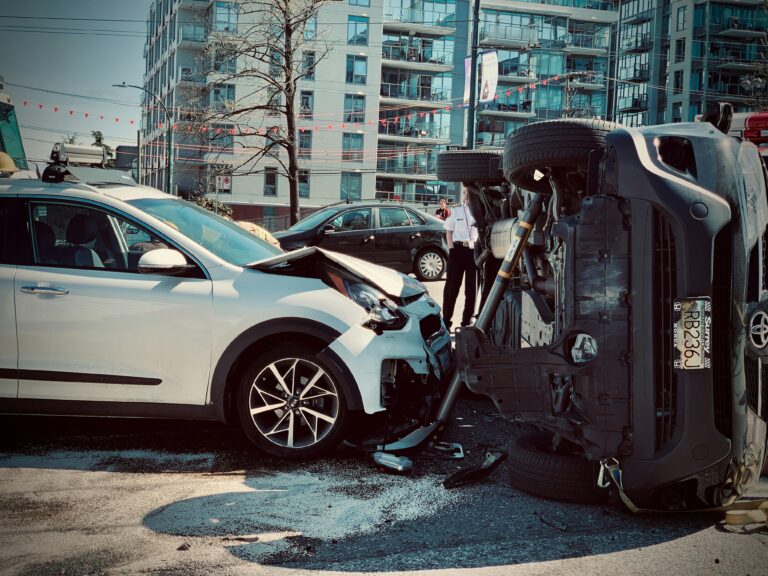

If your summer road trip in Georgia ends in a crash, get everyone safe, call 911, report the crash to police, get medical care and document the scene before you leave. Georgia is an at-fault state, so the driver who caused the crash, and that driver’s insurer, is generally responsible for your medical bills, lost wages, vehicle damage and pain and suffering.
Summer is road trip season in Georgia. From Atlanta to Savannah and the North Georgia mountains, families and friends hit the highways for July 4th, weekend getaways and beach vacations. More cars on the road, distracted and impaired drivers and heavy holiday traffic all raise the risk of a serious crash. Here is how to stay safe and what to do if your trip is interrupted by a wreck.
Key Takeaways
- Holiday travel brings heavier traffic, more impaired drivers and more drivers unfamiliar with the roads.
- In Georgia, you must report a crash that causes injury, death or apparent property damage of $500 or more.
- If no one is seriously hurt and your car can be driven safely, Georgia law requires moving it out of the travel lanes.
- Get medical care promptly, because many crash injuries do not show up right away.
- Most Georgia injury claims must be filed within two years, and property damage claims within four.
Why Crash Risks Rise During Summer Travel
Several risk factors come together during summer and holiday travel:
- More vehicles on the road for holidays and vacations, especially on interstates like I-75, I-85, I-16 and I-20
- Distracted driving from phones and GPS, even though Georgia’s Hands-Free law generally bars holding a phone while driving
- Drunk or impaired drivers after parties and celebrations
- Teen drivers with less experience who are out of school for the summer
- Construction zones, detours and unfamiliar routes
Impaired driving is a particular danger around the Fourth of July. According to NHTSA, from 2020 to 2024, 2,719 people were killed in traffic crashes nationwide over the Fourth of July holiday period, and 38% of the drivers killed were drunk.
Road Trip Safety Tips
- Plan your route and check the Georgia 511 traffic system for closures and construction before you leave.
- Put your phone in a mount or out of reach, and set your GPS before you start driving.
- Take breaks every couple of hours to avoid drowsy driving.
- Make sure everyone is buckled up and children are in the right car seat.
- Plan a sober ride if your trip includes celebrating.
What to Do Immediately After a Holiday Crash
- Check for injuries first. Call 911 for anyone who is hurt. Even injuries that seem minor can turn out to be serious.
- Move to safety. If no one is seriously hurt and your vehicle can be driven safely, Georgia law requires moving it out of the travel lanes to the shoulder, emergency lane or median (O.C.G.A. § 40-6-275). Turn on your hazard lights.
- Call police. Georgia requires drivers to immediately report a crash involving injury, death or apparent property damage of $500 or more (O.C.G.A. § 40-6-273). The police report is important evidence for insurance and any legal claim. Our guide to Georgia crash report codes explains how to read it.
- Gather information. Take photos of the vehicles, the scene, road conditions and any signs. Get names, contact information and insurance details from all drivers, and names and phone numbers from witnesses.
- Stick to the facts. Do not guess about what happened or apologize in a way that sounds like admitting fault.
- Get medical attention. Many injuries, like whiplash and concussions, appear hours or days after a crash. Get checked as soon as possible, including at an urgent care or ER away from home, and follow up when you return.
- Notify your insurer, but do not rush to settle. Report the crash, but do not give a recorded statement to the other driver’s insurer or accept a quick offer before you understand your injuries.
Understanding Your Legal Rights After a Georgia Crash
Georgia is an at-fault state. The driver who caused the crash, and that driver’s liability insurer, is generally responsible for your damages, which can include medical bills, car repairs, lost wages and pain and suffering. Georgia’s minimum liability coverage is $25,000 per person and $50,000 per crash for bodily injury, and $25,000 for property damage.
Georgia also uses modified comparative fault (O.C.G.A. § 51-12-33). If you are found partly at fault, your recovery is reduced by your share, and you cannot recover if you are 50% or more at fault. Adjusters may look for ways to shift blame, so photos and witness information matter. Learn about common insurance lowball tactics.
When the Other Driver Is from Out of State or Underinsured
Holiday crashes often involve drivers from other states or rental cars. If you are hurt in Georgia, a claim can usually be brought in Georgia even if the other driver lives elsewhere. If that driver has little or no insurance, your own uninsured/underinsured motorist coverage may help.
Common Summer Accident Scenarios
- Rear-end collisions in stop-and-go holiday traffic
- T-bone crashes at busy intersections
- Pedestrian and bicycle injuries near beaches, lakes and vacation spots
- Drunk or drugged driving crashes
- Crashes involving rental cars, RVs or out-of-state drivers
- Work zone crashes in highway construction areas
If another driver’s negligence caused your injuries, you have the right to seek compensation for your losses. Our car accident page explains more.
Frequently Asked Questions
What If I Am Hurt in a Crash Far from Home?
Get medical care where you are, keep all records and receipts, and follow up with your own doctor when you return. If the crash happened in Georgia, a claim can generally be pursued in Georgia, and you can often handle much of it remotely.
Do I Have to Call the Police After a Minor Crash in Georgia?
If anyone is hurt or the property damage appears to be $500 or more, Georgia law requires you to report it immediately. Even in smaller crashes, a police report helps document what happened.
What If the Driver Who Hit Me Was in a Rental Car?
The rental company’s coverage, the driver’s own insurance and your uninsured motorist coverage may all come into play, depending on the rental agreement and policies. Get the rental company’s name and the rental agreement details at the scene if you can.
How Long Do I Have to File a Claim After a Georgia Car Accident?
Most Georgia personal injury claims must be filed within two years of the crash (O.C.G.A. § 9-3-33), and property damage claims within four years (O.C.G.A. § 9-3-31). Crashes involving government vehicles have much shorter notice deadlines.
If a crash interrupted your summer road trip, The Gunn Law Group can review what happened in a free, no-obligation consultation. There is no attorney fee unless we win, and hablamos español. Call 888-BIG-GUNN (888-244-4866).