
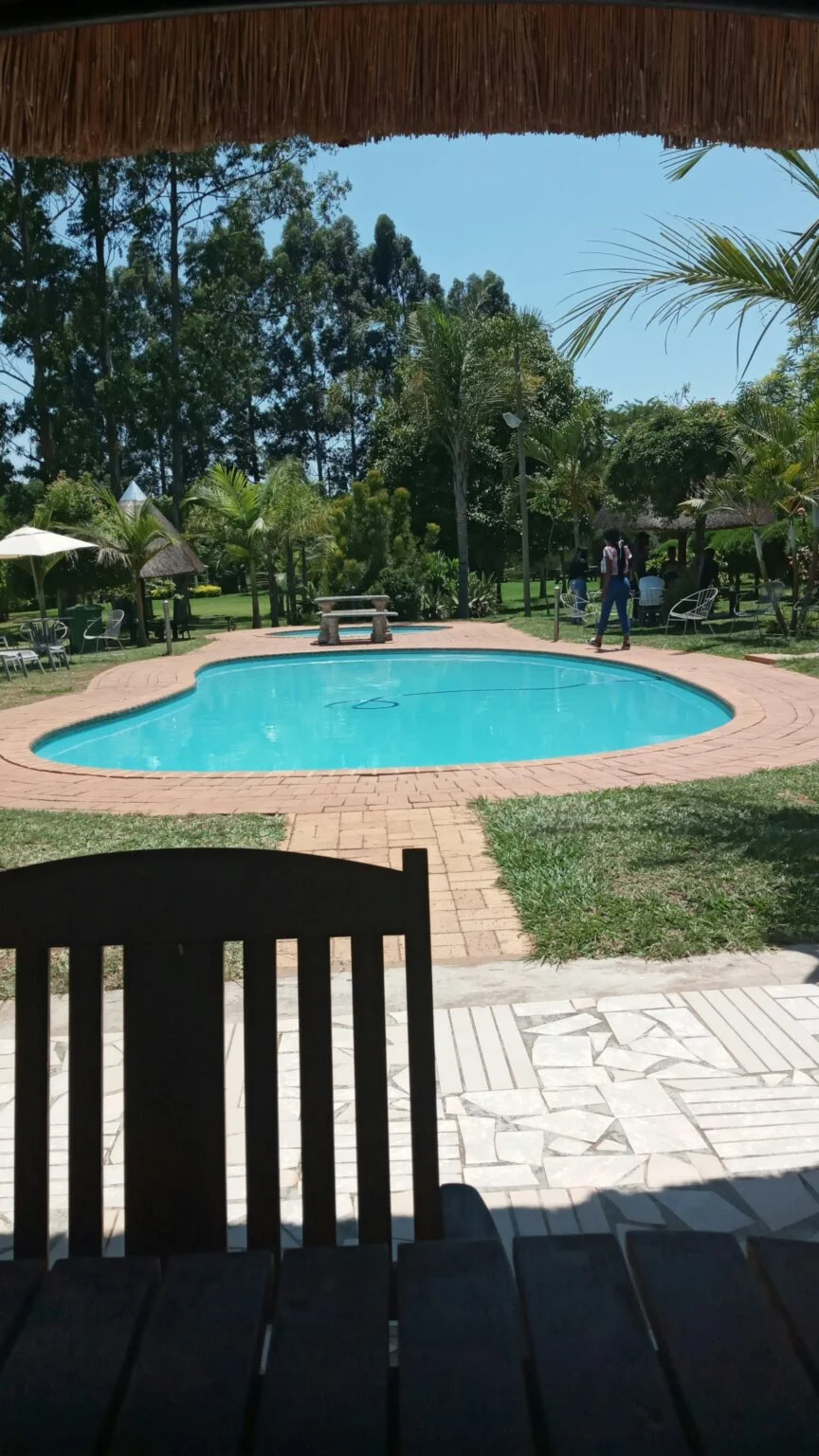
If you are hurt at a swimming pool in Georgia, the owner or operator may be responsible when an unsafe condition they knew or should have known about caused your injury. How strong a claim is depends a great deal on where it happened. Paying customers, hotel guests and tenants are usually owed more care than friends at a backyard pool, and pools run by a city, county or the State come with special notice deadlines that can be as short as six months.
Georgia’s sunny climate makes swimming pools, water parks and backyard spas a summertime staple, but a fun afternoon can turn into a serious injury in seconds. Whether you slipped on a wet deck, dove into shallow water or were hurt by broken pool equipment, here is how Georgia premises liability law applies.
Key Takeaways
- Customers, hotel guests, club members and tenants are usually invitees, owed ordinary care to keep the pool area reasonably safe (O.C.G.A. § 51-3-1).
- Social guests at a private home are generally licensees, and the homeowner’s duty is narrower (O.C.G.A. § 51-3-2).
- Injuries at a city, county or state pool require written notice within 6 or 12 months, well before the usual two-year deadline.
- Defective drains, ladders, slides and diving boards may support a product claim against the manufacturer.
- Photograph the area and ask in writing for video and maintenance records before conditions change.
Why Pool Areas Are Dangerous
- Slippery surfaces. Tile, concrete and wooden decks become slick when wet, making slip-and-fall injuries common.
- Missing or faded depth markings. Poorly marked shallow areas can lead to devastating diving injuries.
- Faulty equipment. Broken ladders, loose railings and unsafe drain covers can trap or injure swimmers.
- Lack of supervision. Children in the water without an attentive adult, or a pool that promises lifeguards but does not staff them, raises the risk of drowning.
- Chemical hazards. Improperly balanced chemicals or faulty feeders can cause breathing problems or burns.
Who May Be Liable for a Pool Injury?
- Homeowners. A homeowner who knows about a hidden danger, such as a broken handrail or a loose drain cover, and fails to fix it or warn guests may be responsible. Because social guests are generally licensees in Georgia, backyard cases are very fact-specific.
- Commercial pool operators. Apartment complexes, HOAs, hotels, gyms, swim clubs and water parks owe paying customers and residents ordinary care to inspect for and fix hazards.
- Public pool operators. Cities, counties and state parks can be responsible for unsafe public pools, but claims against them involve sovereign immunity and strict notice rules.
- Pool service companies. Contractors hired to maintain water chemistry, repair equipment or clean decks can share liability if their negligence causes an injury.
- Manufacturers and installers. A defective drain cover, filtration system, slide or diving board can support a product liability claim. Georgia generally allows strict liability claims against manufacturers for up to ten years from the product’s first sale, with some exceptions (O.C.G.A. § 51-1-11).
Public pools are also subject to state and local health and safety rules. A federal law, the Virginia Graeme Baker Pool and Spa Safety Act, sets drain cover requirements for public pools and spas to prevent entrapment. A violation of a safety rule does not automatically decide a case, but it can be important evidence. Our premises liability page explains these claims in more detail.
Special Rules for City, County and State Pools
Government-run pools are not handled like private pools. Before you can sue, Georgia generally requires written notice, called ante litem notice:
| Pool Owner | Notice Deadline | Georgia Law |
|---|---|---|
| City | Written notice within 6 months | O.C.G.A. § 36-33-5 |
| County | Claim presented within 12 months | O.C.G.A. § 36-11-1 |
| State (such as a state park) | Written notice within 12 months | O.C.G.A. § 50-21-26 |
Each notice has specific content and delivery requirements, and missing one can end an otherwise valid claim. Sovereign immunity can also limit which claims may go forward, so talk with a lawyer quickly if a public pool was involved.
Critical Steps After a Pool Injury
- Get medical care immediately. Concussions, spinal injuries and near-drowning complications can surface hours later, and prompt treatment creates a record of your injury.
- Report the accident. At a public or commercial pool, ask staff or management for a written incident report. At a private home, let the homeowner know in writing what happened.
- Document the scene. Photograph the exact location, wet surfaces, missing signs, broken equipment, depth markings and your injuries.
- Identify witnesses. Get names and phone numbers of lifeguards, staff, friends or other swimmers before they leave.
- Preserve evidence. Keep damaged swimwear or personal items, and ask in writing that the property keep video, chemical logs, lifeguard schedules and maintenance records.
- Talk to a lawyer before signing anything. An insurer may call quickly with a settlement offer or a request for a recorded statement.
Compensation You May Be Able to Recover
If another party’s negligence caused your pool injury, you may be able to pursue:
- Medical expenses: emergency care, surgery, rehabilitation and long-term care, including care for spinal cord injuries from diving accidents
- Lost income: time off work and reduced future earning capacity
- Pain and suffering: physical pain and emotional distress
- Property damage: replacement of damaged personal items such as phones and glasses
Georgia uses modified comparative fault (O.C.G.A. § 51-12-33), so an injured adult’s own share of fault, such as diving where a clear “no diving” sign was posted, reduces any recovery, and there is no recovery at 50% or more. For claims arising on or after April 21, 2025, Georgia’s 2025 tort reform law may also affect how medical expenses are proven (O.C.G.A. § 51-12-1.1).
Frequently Asked Questions
Is a Hotel or Apartment Complex Responsible for Pool Injuries?
It may be. Hotels and apartment complexes generally owe guests and residents ordinary care to keep pool areas reasonably safe, including inspecting for and fixing hazards like broken gates, slippery surfaces and unsafe drains. Each case depends on what the property knew or should have known.
Can I Bring a Claim Against a City or County Pool?
Possibly, but government claims have special rules. You generally must give written notice within 6 months for a city and 12 months for a county or the State, and sovereign immunity can limit some claims. See our guide to Georgia personal injury deadlines.
What If I Was Hurt at a Friend’s Backyard Pool?
Georgia generally treats social guests as licensees, so the homeowner is responsible mainly for hidden dangers the homeowner knew about and for willful or wanton conduct. Homeowner’s insurance often covers these claims.
How Long Do I Have to File a Pool Injury Lawsuit?
Most Georgia injury claims must be filed within two years (O.C.G.A. § 9-3-33). A child’s own claim is usually paused until age 18, but government notice deadlines are much shorter, so do not wait.
Injuries in and around water can change lives. If you or a loved one was hurt at a pool, The Gunn Law Group can review what happened in a free, no-obligation consultation, and there is no attorney fee unless we win. Hablamos español. Call 888-BIG-GUNN (888-244-4866).