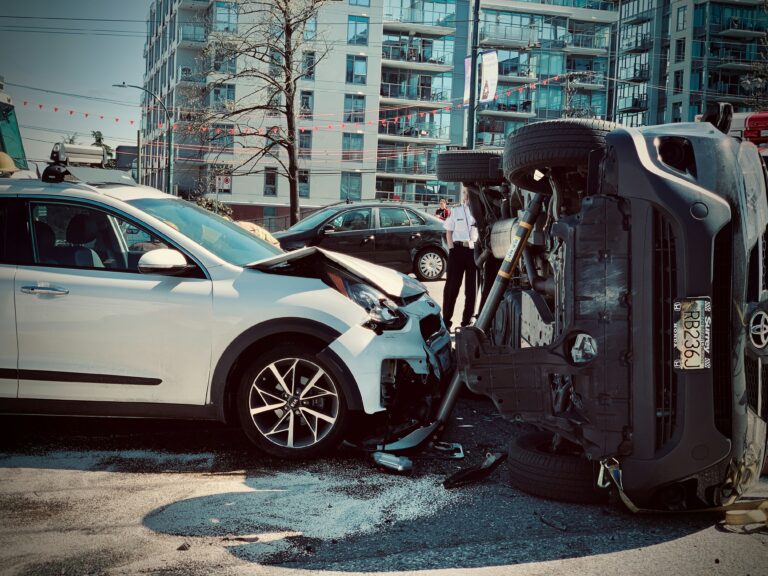
If you were hurt in a Georgia car accident and you were not wearing a seat belt, you may have heard the old rule that insurers could not use that against you. That rule has changed. Georgia’s 2025 tort reform law, SB 68, rewrote the seat belt statute so that not wearing a belt may now be used as evidence in civil cases, and it may be used to reduce what you recover.
That does not mean you lose your case. The at-fault driver is still responsible for causing the crash, and the evidence is still subject to the court’s rules. But insurers now have another argument, so protecting your medical proof and the facts of the crash matters more than ever.
Key Takeaways
- Before SB 68, Georgia law generally kept seat belt non-use out of civil injury cases. That protection is gone.
- Seat belt evidence may now be considered on negligence, comparative negligence, causation, assumption of risk and fault, and it may reduce a recovery.
- A judge can still exclude the evidence under Georgia’s rules of evidence.
- Not wearing a belt does not automatically bar your claim or excuse the driver who caused the crash.
- Be careful what you say to adjusters about seat belt use, and be honest with your lawyer.
What Changed Under SB 68
SB 68 was signed on April 21, 2025. Section 5 of the law rewrote O.C.G.A. § 40-8-76.1(d). The statute now says the failure of an occupant to wear a seat belt, in any seat that has one, “may be considered in any civil action as evidence admissible on the issues of negligence, comparative negligence, causation, assumption of risk, or apportionment of fault or for any other purpose and may be evidence used to diminish any recovery for damages.” You can read the current text of O.C.G.A. § 40-8-76.1 on Justia.
Two limits remain in the statute:
- Rules of evidence still apply. The court can still decide whether the evidence is admissible under O.C.G.A. § 24-4-403, which allows a judge to exclude evidence when its unfair prejudice substantially outweighs its value, and under other rules of evidence.
- No insurance penalty. Not wearing a seat belt cannot be the basis for canceling your insurance coverage or raising your rate under the same statute.
Does It Apply to Crashes Before April 2025?
Exactly which cases the new seat belt rule reaches is still being worked out. If you were not wearing a seat belt, ask a lawyer how it may affect your case.
What This Means in Real Life
The defense may now try to introduce evidence about whether you were buckled and ask a jury to consider it when deciding fault, causation and damages. In practice, insurers may argue:
- Your injuries would have been less severe if you had been belted.
- Part of the fault for your injuries belongs to you, not only the driver who caused the crash.
- Your damages should be reduced.
These arguments usually depend on causation. The question is not just whether you were belted, but whether a seat belt would have changed the injuries you actually suffered. The defense generally has to connect seat belt use to your specific injuries, so your medical records and the facts of the crash matter.
Why This Matters Under Georgia’s 50 Percent Rule
Georgia uses modified comparative fault. Under O.C.G.A. § 51-12-33, your damages are reduced by your percentage of fault, and you recover nothing if you are 50 percent or more at fault. Because the new statute allows seat belt evidence on “apportionment of fault,” insurers may try to use it to push your share of the blame higher. Clear evidence that the other driver caused the crash is your best protection. Our guides on what a Georgia car accident case is worth and insurance lowball tactics explain how fault arguments affect claim value.
SB 68 also changed how medical bills are proven for claims arising on or after April 21, 2025 (O.C.G.A. § 51-12-1.1), which makes complete treatment and billing records even more important.
Steps to Take Right Now to Protect Your Claim
- Get medical care immediately and follow your treatment plan. Gaps in treatment give insurers room to argue your injuries are not serious or not related.
- Be careful with recorded statements. Adjusters may ask detailed questions about seat belt use and try to lock you into wording that hurts you later. You generally do not have to give a recorded statement to the other driver’s insurer.
- Be honest with your lawyer about whether you were belted, so there are no surprises later.
- Document everything while it is fresh, including photos of the vehicles, the inside of the car, the scene and any bruising patterns. These details matter when causation is disputed.
- Stay off social media about the crash. Insurers look for anything to minimize your pain or claim you are fine.
- Talk to a lawyer early so evidence is preserved and the case is built around liability and the full cost of your recovery. Our After the Wreck guide walks through the first days after a crash.
Frequently Asked Questions
Can I Still Recover Damages If I Was Not Wearing a Seat Belt in Georgia?
Yes, in many cases. Seat belt non-use does not automatically bar a claim. It may be used to argue for a reduced recovery or a share of fault, and if your total share of fault reaches 50 percent or more, you recover nothing under Georgia’s comparative fault rule.
Does the Seat Belt Rule Apply to Passengers?
The civil evidence rule in O.C.G.A. § 40-8-76.1(d) refers to an occupant in any seat that has a seat belt, so it can come up for passengers as well as drivers. How much it matters depends on the facts of the crash and your injuries.
Can the Insurance Company Raise My Rates Because I Was Not Wearing a Seat Belt?
The same statute says not wearing a seat belt shall not be a basis for canceling insurance coverage or increasing an insurance rate.
Does SB 68 Affect Other Parts of My Car Accident Claim?
Yes. Besides seat belt evidence, it limits how lawyers can suggest dollar amounts for pain and suffering and changes how medical expenses are proven for newer claims. Our guide to pain and suffering in Georgia explains the noneconomic damages changes.
If an insurer is using seat belt evidence to cut your claim, we can help you understand where you stand. The Gunn Law Group offers a free, no-obligation consultation, and there is no attorney fee unless we recover for you. Call 888-BIG-GUNN (888-244-4866) to talk about your Georgia car accident claim.