
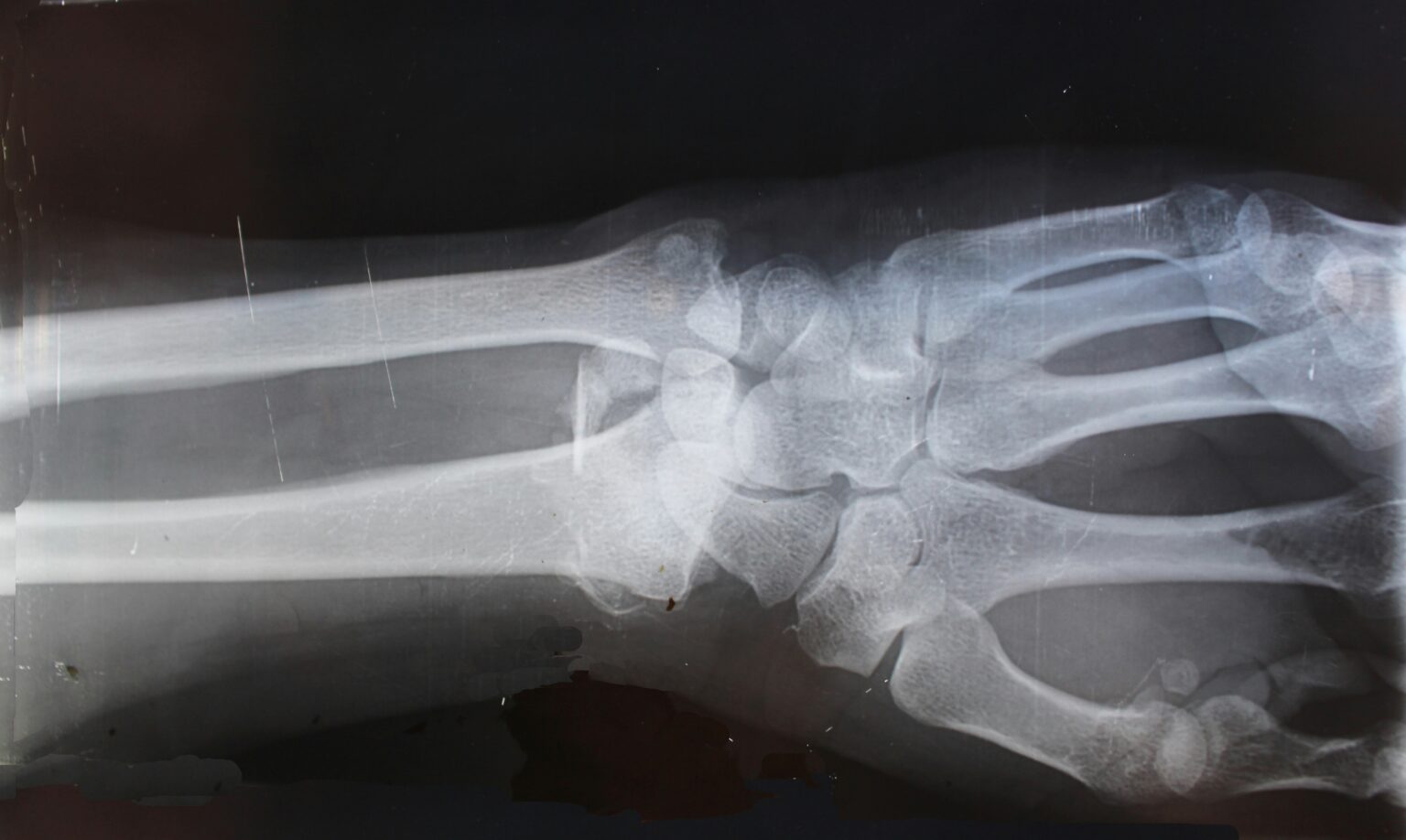
Soft tissue injuries such as whiplash, sprains and strains may not show up on an X-ray, but they can cause pain, stiffness and limits that last for months. In Georgia, you can seek compensation for a soft tissue injury the same way you would for any other injury if someone else’s negligence caused it. The challenge is usually proof, because insurers often treat these injuries as minor.
The good news is that careful medical documentation can answer most of those arguments. Getting checked promptly, following your treatment plan and keeping a record of how the injury affects your life are the most important things you can do.
Key Takeaways
- Soft tissue injuries affect muscles, tendons and ligaments, and they can be serious even when nothing is broken.
- Insurers may argue that little vehicle damage means little injury, but vehicle damage is not a medical diagnosis.
- Prompt medical care, consistent treatment and a symptom journal are the strongest evidence in a soft tissue claim.
- Georgia’s 2025 tort reform law (SB 68) changed rules on medical expenses and seat belt evidence that can affect these claims.
What Are Soft Tissue Injuries?
Soft tissue injuries affect muscles, tendons and ligaments rather than bones. Common types include:
- Whiplash: Often caused by rear-end collisions, whiplash happens when the head and neck are jerked forcefully back and forth.
- Sprains and strains: Damage to ligaments (sprains) or muscles and tendons (strains) from a sudden twist, impact or bracing.
- Contusions: Deep bruises to muscle tissue that cause pain and swelling.
- Tears: Partial or complete tears of a ligament, tendon or muscle, which may need surgery.
X-rays show bones, not soft tissue. Your doctor may use a physical exam, and sometimes imaging such as an MRI or ultrasound, to evaluate these injuries.
Why Soft Tissue Claims Face Pushback
- Injuries that do not show on X-rays: Adjusters may argue there is no objective proof of injury.
- Low vehicle damage: Insurers sometimes group claims with little vehicle damage and soft tissue injuries into a category known as MIST, short for “minor impact, soft tissue,” and may treat them as low-value.
- Delayed symptoms: Pain and stiffness can appear hours or days after the accident, and insurers may question whether the accident caused them.
- Gaps in treatment: Missed appointments or a long delay before seeing a doctor can be used to argue you healed or were not hurt.
- Prior conditions: An insurer may blame your pain on an old injury. Under Georgia law, aggravation of a pre-existing condition can still be part of your claim.
Knowing these tactics in advance helps you avoid them. Our guide to insurance lowball tactics explains more.
Steps to Strengthen Your Soft Tissue Injury Claim
- Get medical attention promptly. An early record connects your injury to the accident and helps prevent disputes about its cause.
- Tell your doctor everything. Describe every symptom, including headaches, numbness, trouble sleeping and limits at work or home.
- Follow your treatment plan. Go to physical therapy and follow-up visits. Consistent records show you took your recovery seriously.
- Keep a pain journal. Record daily symptoms, missed activities and how the injury affects your work and family life.
- Take photos. Photograph bruising, swelling and any visible injuries as they change.
- Be careful with insurers and social media. Avoid recorded statements to the other driver’s insurer and posts that could be taken out of context.
- Don’t settle too early. Some soft tissue injuries improve quickly, while others linger. Settling before you know the full picture can leave future care uncovered.
Georgia Law Changes That Can Affect Soft Tissue Claims
Georgia’s 2025 tort reform law, SB 68, signed April 21, 2025, made several changes that may affect these claims:
- Medical expenses: For claims arising on or after April 21, 2025, O.C.G.A. § 51-12-1.1 limits medical expense damages to the reasonable value of medically necessary care, and the jury may hear both what was billed and what was needed to satisfy the bills. Treatment under a letter of protection is also subject to new disclosure rules.
- Seat belt evidence: Evidence that you were not wearing a seat belt may now be considered on fault, causation and damages (O.C.G.A. § 40-8-76.1).
- Arguing pain and suffering: Lawyers face new limits on when and how they can suggest a dollar amount for noneconomic damages (O.C.G.A. § 9-10-184).
Georgia also uses modified comparative fault: your recovery is reduced by your share of fault and barred if you are 50% or more responsible (O.C.G.A. § 51-12-33).
What Compensation May Be Available
A soft tissue injury claim may include medical bills, physical therapy and chiropractic care, prescription costs, future treatment, lost wages and pain and suffering. The value depends on how serious and lasting the injury is, how well it is documented, fault and the available insurance. Our guide to Georgia car accident case value explains the factors in more detail.
Most personal injury claims in Georgia must be filed within two years of the accident (O.C.G.A. § 9-3-33). Vehicle and other property damage claims generally have four years (O.C.G.A. § 9-3-31).
Frequently Asked Questions
Can I Get Compensation for Whiplash If My Car Had Little Damage?
Yes, you may. Vehicle damage is one piece of evidence, but it does not measure what happened to your body. Bumpers are designed to absorb impact, and your position, age and prior conditions can all affect how you were hurt.
What If My Symptoms Didn’t Start Until a Few Days Later?
Delayed pain is common with soft tissue injuries. See a doctor as soon as symptoms appear and explain when they began. Prompt documentation helps connect the injury to the accident.
How Long Does a Soft Tissue Injury Take to Heal?
It varies widely depending on the injury, your health and your treatment. Some people recover in weeks, while others deal with pain for much longer. Because of that uncertainty, it is usually wise to understand your prognosis before you settle.
Do I Need a Lawyer for a Soft Tissue Injury Claim?
Not every claim needs one, but soft tissue claims are often disputed. A lawyer can help gather the right medical evidence, respond to insurer arguments and track the deadlines. For next steps after a crash, see our After the Wreck guide.
If you are dealing with a soft tissue injury after an accident, The Gunn Law Group can review your claim in a free, no-obligation consultation. There is no attorney fee unless we recover for you, and hablamos español. Call 888-BIG-GUNN (888-244-4866).