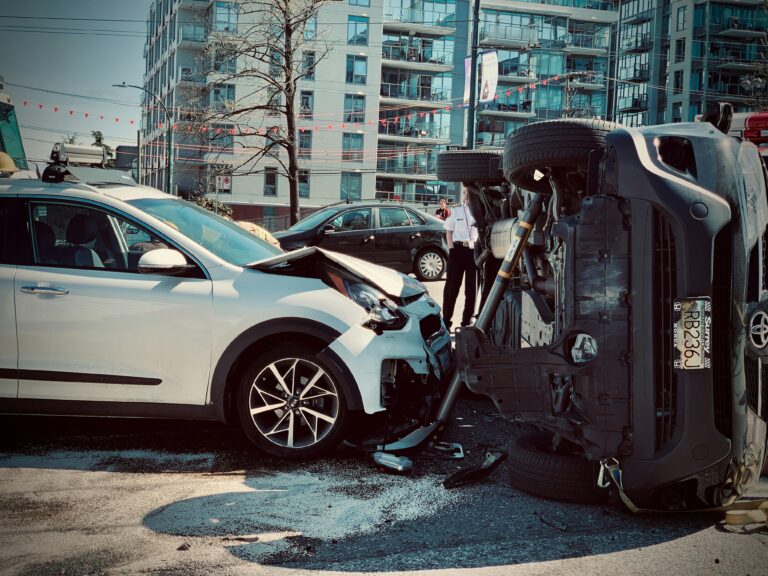
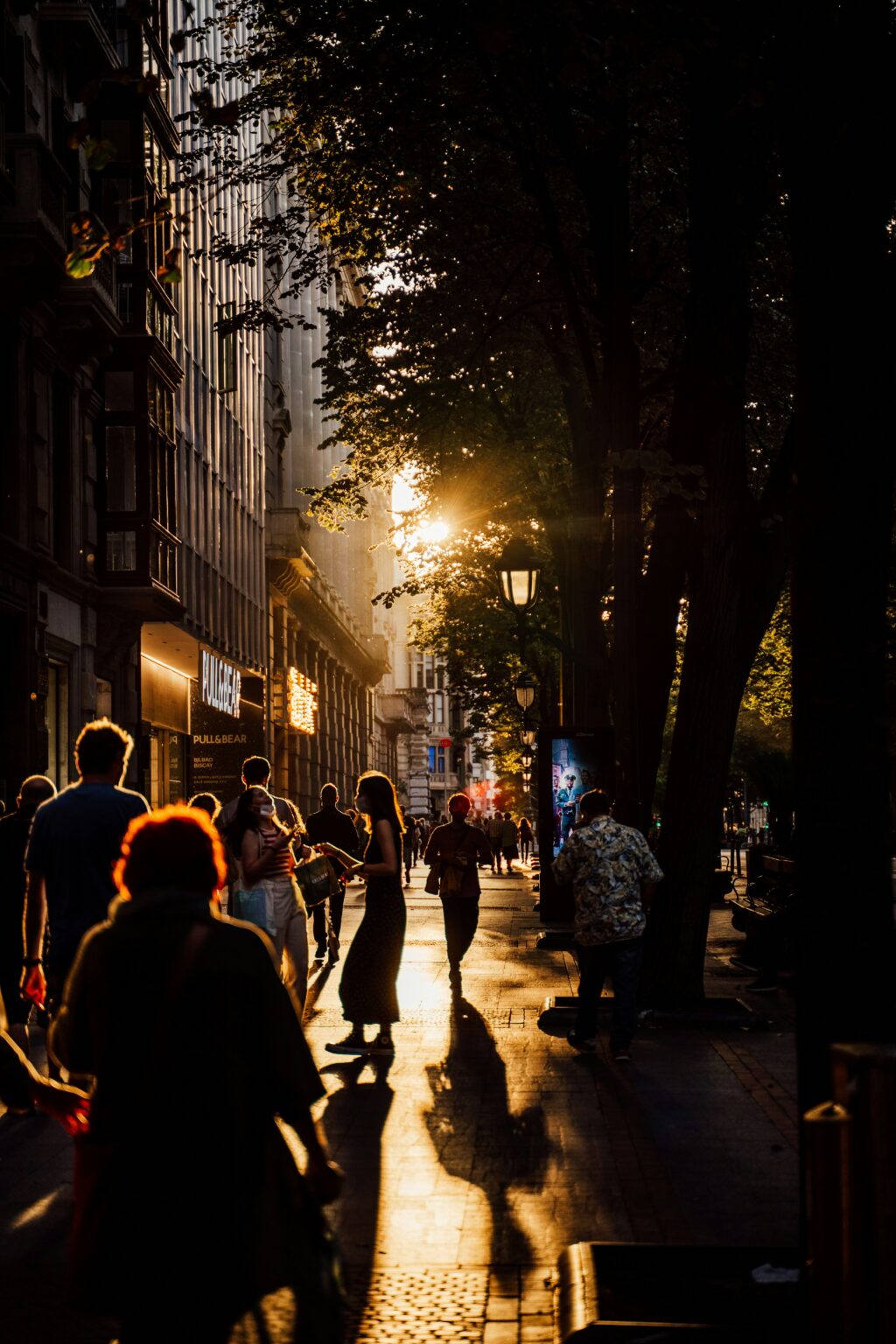
When the clocks fall back on the first Sunday in November, Georgia’s evening commute suddenly happens in darkness. Drivers who are used to daylight at pickup time have to adjust to earlier sunsets, and many are also adjusting to disrupted sleep. That combination can lead to rear-end collisions, left-turn crashes and pedestrian strikes.
If you were hurt in a crash after the time change, the short answer is that darkness and drowsiness don’t excuse a careless driver. Georgia law requires drivers to adjust to conditions, use their headlights and watch for people on foot, and a driver who doesn’t can be responsible for your injuries.
Key Takeaways
- Earlier darkness, sleep disruption and glare at low sun angles make the weeks after the fall time change a higher-risk period.
- Georgia requires headlights from a half-hour after sunset to a half-hour before sunrise and whenever it’s raining (O.C.G.A. § 40-8-20).
- A driver who fails to yield, speeds or drifts while drowsy or distracted can be liable, and so can their employer if they were working.
- Photograph the lighting and scene, and ask for nearby video quickly, before it’s overwritten.
- Most Georgia injury claims must be filed within two years of the crash (O.C.G.A. § 9-3-33).
Why Crashes Rise After the Fall Time Change
The danger isn’t only darker roads. The time shift can cause drowsiness, slower reactions and reduced alertness, especially for people working late shifts, parents managing school pickups and commercial drivers on tight schedules. Glare from a low sun, headlights reflecting off wet pavement and more people walking to and from after-school activities add to the risk.
Even at “city speeds,” these crashes can cause concussions, whiplash, shoulder and knee injuries and long-term soft-tissue damage.
Georgia Fault Rules After an Evening Crash
Georgia is an at-fault state, which means the negligent driver’s insurer is responsible for the damages they cause. Drivers have a duty to operate safely for the conditions: slowing down in darkness or rain, increasing following distance, staying off the phone and turning on their headlights. Georgia law requires headlights from a half-hour after sunset to a half-hour before sunrise, when it’s raining, and whenever visibility is too poor to see people and vehicles 500 feet ahead (O.C.G.A. § 40-8-20).
When a motorist fails to yield at a crosswalk, speeds through a yellow light or drifts while drowsy or distracted, they can be liable for the harm that follows. If the driver was on the job, their employer may also be responsible.
Insurers sometimes argue the crash was “just bad visibility” or that you share the blame. Under Georgia’s comparative fault rule (O.C.G.A. § 51-12-33), your recovery is reduced by your share of fault and barred if you are 50 percent or more at fault, which is why evidence matters.
What to Do After a Post-Time-Change Crash
- Call 911 and get a medical evaluation. Concussion and neck or back symptoms often appear hours later, and early records link injuries to the crash.
- Document the scene. Photograph vehicle positions, damage, skid marks, signals, crosswalks, lighting and any glare or standing water.
- Find witnesses and cameras. Get bystanders’ names and ask nearby businesses and homes to preserve doorbell or security footage. Save your dash-cam files.
- Get the police report number. Ask officers to note visibility, headlight use and any suspected distraction or impairment. Our guide to Georgia crash report codes explains the report.
- Track your treatment. Follow your doctor’s recommendations and keep receipts and mileage records.
- Be careful with insurers. Avoid recorded statements and quick settlement offers until you’ve gotten advice.
See our after-the-wreck guide for the full checklist.
Pedestrians and Cyclists Face Higher Risk
Drivers who are used to daylight during pickup hours may miss crosswalks, school zones or riders in bike lanes once it’s dark. Georgia law requires every driver to use due care to avoid pedestrians and to take extra precautions around children (O.C.G.A. § 40-6-93).
If you’re hit while walking or biking, the same steps apply: get medical care, photograph the scene and lighting, keep damaged shoes, clothing, helmets and gear, and ask for nearby video before it’s gone. Learn more about pedestrian accident claims.
Insurance Coverage and Other Responsible Parties
Coverage can come from several sources:
- The at-fault driver’s liability policy is usually primary.
- Medical payments coverage may help with immediate bills regardless of fault.
- Uninsured/underinsured motorist coverage can be crucial if the other driver has limited insurance or flees the scene.
- Commercial policies may apply if a company vehicle was involved.
Some collisions are made worse by broken street lighting, malfunctioning signals or confusing construction detours. In limited cases, a contractor or government agency may share responsibility. Claims against a city require written notice within 6 months, and claims against a county or the State within 12 months, so these cases need fast attention.
Common Injuries and Damages
Evening-rush collisions often cause whiplash and herniated discs, concussions with headaches, light sensitivity and brain fog, shoulder and knee injuries from bracing, and fractures. Many people need imaging, physical therapy, injections or surgery, and time off work or school.
A claim can include medical care now and in the future, lost wages or reduced earning capacity, pain and suffering, vehicle damage, and replacement of items such as child car seats, glasses, phones and laptops.
How We Investigate Time-Change Crashes
We move quickly to secure camera footage, 911 audio and crash data, and to document the lighting and weather at the exact time of the crash. We work with your medical providers to show how the collision changed your daily life, calculate your losses and present the claim to every responsible insurer.
Frequently Asked Questions
When Does the Fall Time Change Happen?
Daylight saving time ends on the first Sunday in November, when clocks move back one hour. Sunset comes an hour earlier by the clock, so many evening commutes that were in daylight the week before happen in the dark.
Can a Driver Blame Darkness for Hitting Me?
Darkness can explain why a driver didn’t see you, but it usually doesn’t excuse the crash. Georgia drivers must use headlights, drive at a safe speed for conditions and use due care to avoid pedestrians. The evidence of what the driver did will matter most.
What If I Was Walking in Dark Clothing?
That alone doesn’t bar your claim. Insurers may argue you share some fault, but under Georgia’s comparative fault rule your recovery is only reduced by your share, and it is barred only if you are 50 percent or more at fault.
How Long Do I Have to File a Claim?
Most Georgia injury claims must be filed within two years of the crash, and property damage claims within four years. Claims against government agencies have much shorter notice deadlines. Read more about Georgia injury deadlines.
If the fall time change turned your evening commute into a collision, don’t let an insurer write it off as bad visibility. Talk with a Georgia car accident lawyer at The Gunn Law Group. Your consultation is free and no-obligation, and there’s no fee unless we win. Call 888-BIG-GUNN (888-244-4866).