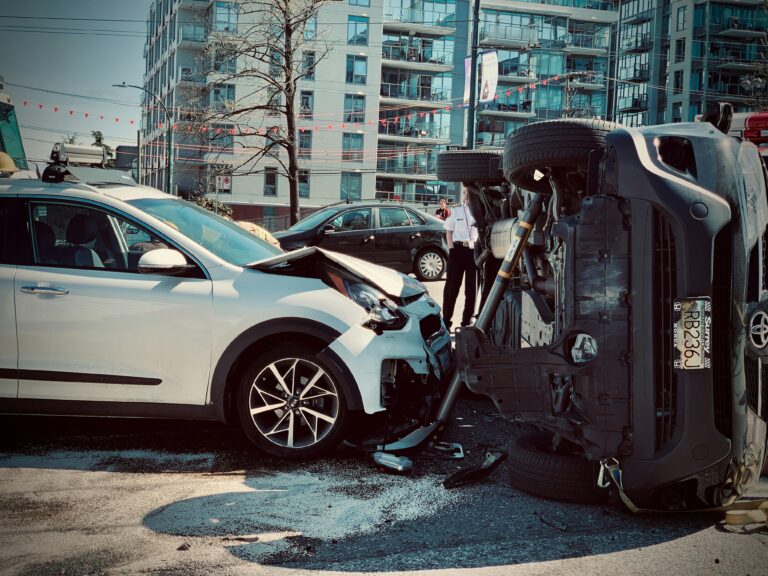

September in Georgia brings ragweed season, lingering summer colds and early seasonal viruses, and many drivers reach for over-the-counter allergy and cold medicine. Some of those medicines can leave a driver groggy, slow to react or foggy, and that can lead to rear-end crashes, lane drifts and bad turns across metro Atlanta.
If a driver who was impaired by medication hit you, the short answer is that they can be held responsible. Georgia treats driving while impaired by any drug, including a legal one, as a serious safety failure, and evidence of medication use can help prove fault in your injury claim.
Key Takeaways
- The FDA warns that antihistamines, nighttime sleep aids and some cough and cold medicines can impair driving, even when you don’t feel drowsy.
- Georgia’s DUI law covers driving under the influence of any drug “to the extent that it is less safe for the person to drive” (O.C.G.A. § 40-6-391(a)(2)).
- A driver who chooses to drive while impaired by medication can be liable for the injuries they cause.
- Evidence such as witness accounts, video, medication packaging and the police report helps show impairment.
- Most Georgia injury claims must be filed within two years of the crash (O.C.G.A. § 9-3-33).
How Allergy and Cold Medicines Can Impair Driving
According to the U.S. Food and Drug Administration, antihistamines “can slow your reaction time, make it hard to focus or think clearly, and may cause mild confusion even if you don’t feel drowsy.” The FDA also lists some cold remedies and allergy medicines that contain an antihistamine, nighttime sleep aids and cough medicines as products that can affect driving, and it notes that some sleep medicines can impair you the next morning. Its advice is to read the Drug Facts label and take a new medicine for the first time when you won’t need to drive. You can read the FDA’s guidance on medicines and driving.
Nighttime formulas that combine several ingredients can add to the effect, and so can poor sleep, dehydration or mixing medicines. Add shorter days and heavier back-to-school traffic, and the risk of rear-end collisions, unintended lane changes and turning crashes goes up.
Is a Medicated Driver at Fault Under Georgia Law?
Georgia is an at-fault state, and every driver must drive safely for their own condition as well as the road’s. A driver who knows, or should know, that a medicine is making them drowsy and drives anyway may be negligent.
Georgia’s DUI statute also applies. Under O.C.G.A. § 40-6-391(a)(2), it is illegal to drive under the influence of any drug to the extent that it is less safe to drive. Being legally allowed to take the drug is not a defense by itself, although the State must show the person was rendered incapable of driving safely. A criminal charge isn’t required for your civil claim, but evidence gathered by police can help prove it.
Insurers may try to describe these crashes as unavoidable or blame the weather or traffic. Evidence of medication use, missed sleep or ignored label warnings can answer that argument.
Can You Recover Punitive Damages?
Sometimes. Punitive damages require clear and convincing evidence of willful misconduct or conscious indifference to consequences (O.C.G.A. § 51-12-5.1). They are usually capped at $250,000, but the cap does not apply when a driver’s judgment was substantially impaired by alcohol or by drugs other than lawfully prescribed drugs taken as prescribed. Whether this applies depends heavily on the facts.
What to Do After a Crash with a Drowsy or Medicated Driver
- Call 911 and get checked. Concussions, spine injuries and internal injuries can show up hours later, and early records link your symptoms to the crash.
- Photograph the scene. Capture vehicle positions, damage, skid marks or the lack of them, lane markings, signals and lighting.
- Note signs of impairment. Did the driver drift, fail to brake, seem slow or confused, or mention taking medicine? Write it down as soon as you can.
- Get witness information. People who saw weaving or erratic speed changes can be important.
- Ask for the police report number. Ask officers to note any statements about medication or signs of drowsiness. Our guide to Georgia crash report codes explains how to read the report.
- Save video. Keep dash-cam files and ask nearby businesses to preserve their footage before it’s overwritten.
- Follow your treatment plan. Consistent care creates the record insurers look at.
- Be careful with recorded statements. Don’t discuss speed or fault with an insurer before getting advice.
See our after-the-wreck guide for the full checklist.
Who May Pay: Liability and Insurance Coverage
The at-fault driver’s auto liability insurance is usually the primary source of payment. Other coverage may apply depending on the facts:
- Employer coverage: If the driver was working, their employer may also be responsible.
- Rideshare coverage: If an Uber or Lyft driver was involved, the coverage available depends on whether the app was on and whether a ride was in progress. Learn more about rideshare accident claims.
- Your own coverage: Medical payments coverage can help with early bills, and uninsured/underinsured motorist coverage can help when the at-fault driver’s limits are too low.
Georgia’s minimum liability limits are only $25,000 per person, $50,000 per accident and $25,000 for property damage, so identifying every policy early matters.
Common Injuries and Damages
Crashes with drowsy or medicated drivers often involve little or no braking, which can mean a harder impact. Common injuries include neck and back injuries, concussions and lasting cognitive effects, headaches, shoulder and knee injuries from bracing, fractures and emotional distress.
A Georgia claim can include emergency care and ongoing treatment, rehabilitation, future medical expenses, lost wages or reduced earning capacity, pain and suffering, and vehicle repair or replacement.
How We Investigate These Crashes
We move quickly to request police body-camera footage and 911 audio, scene photographs, dash-cam and surveillance video, and vehicle data that may show braking and speed. We obtain the crash report, identify and interview witnesses, and, where appropriate, seek evidence of medication use such as packaging found in the vehicle or pharmacy records. We work with your doctors to document your injuries in a clear, chronological record and present that evidence to every responsible insurer.
Frequently Asked Questions
Can Someone Get a DUI for Taking Over-the-Counter Allergy Medicine in Georgia?
Yes, potentially. Georgia’s DUI law covers driving under the influence of any drug to the extent it is less safe to drive. Being legally allowed to take the medicine isn’t a defense on its own, though the State must show the driver was incapable of driving safely.
How Do I Prove the Other Driver Was Drowsy or Medicated?
Evidence can include the driver’s own statements, witness accounts of weaving or slow reactions, the absence of braking, medication packaging in the car and the police report. Some of this evidence disappears quickly, so it helps to act early.
What If the Driver Took a Medicine Their Doctor Prescribed?
A prescription doesn’t give anyone permission to drive while impaired, and the driver can still be negligent. However, Georgia’s rule that removes the punitive damages cap for impaired drivers does not apply to lawfully prescribed drugs taken as prescribed, so the details matter.
How Long Do I Have to File a Claim?
Most Georgia personal injury claims must be filed within two years of the crash under O.C.G.A. § 9-3-33, and property damage claims within four years. Claims involving government vehicles require written notice much sooner. Learn more about Georgia injury deadlines.
If a drowsy or medicated driver hurt you or someone you love, talk with a Georgia car accident lawyer at The Gunn Law Group. Your consultation is free and no-obligation, and there’s no fee unless we win. Call 888-BIG-GUNN (888-244-4866).