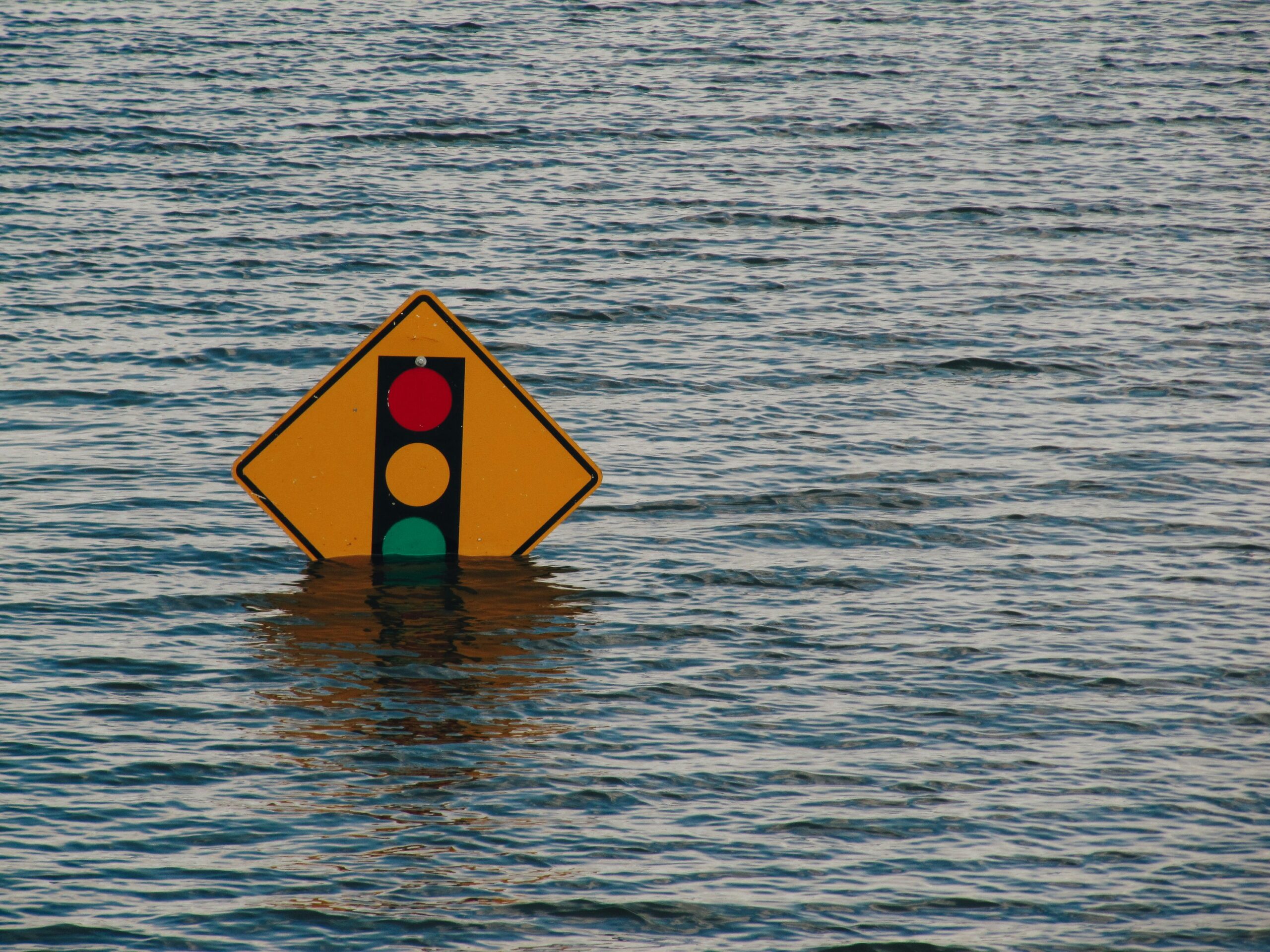
September is peak hurricane season, and even when a storm doesn’t make landfall in Georgia, its remnants can bring squalls, flash flooding, downed trees, and long power outages. Those conditions trigger a spike in hydroplaning collisions, multi-car pileups, and impacts at dark intersections where signals are out. If you are injured in a storm-related wreck this month, understanding how Georgia fault rules and insurance coverage work can protect your health and your personal injury claim.
Storm days create a perfect recipe for crashes: the first minutes of rain lift oil and grime into a slick film on the roadway, tires struggle for traction in standing water, and visibility drops with heavy bands of rain. Flooded lanes push drivers to make sudden merges, while fallen limbs and debris force unexpected stops. Intersections without power must be treated as four-way stops, yet many drivers roll through or try to beat cross-traffic—leading to high-impact side collisions. Even at “lower” speeds, these wrecks cause concussions, whiplash, fractures, and serious soft-tissue injuries.
Georgia is a fault state, which means drivers must operate safely for conditions—slowing below the posted limit, increasing following distance, using headlights and wipers, and avoiding flooded roadways. When a motorist hydroplanes because of excessive speed, tailgates into a chain-reaction crash, or fails to treat a dark intersection as a stop, they can be liable for your injuries. Liability can also extend to commercial carriers that ignore weather advisories or maintenance obligations (bald tires, worn wipers), and in limited circumstances, to property owners or municipalities if neglected drainage or a known hazardous tree contributed to the crash.
If a storm-related collision happens, prioritize safety and capture proof before the scene changes. Water recedes, debris is cleared, and lighting conditions won’t be the same an hour later—so early documentation matters.
What to do after a flooding or storm-band crash
- Call 911 and get a medical evaluation. Concussions and neck/back injuries often worsen hours later; early records link symptoms to the crash.
- Move to safety and document everything. Photograph vehicle positions, standing water depth, road debris, downed limbs, skid paths, damaged lights or wipers, and the intersection if signals are out.
- Collect witness info and video sources. Get names and numbers for bystanders; ask nearby businesses or homes to preserve exterior camera footage; save dash-cam files.
- Note the conditions. Record time, rainfall intensity, lane closures, detours, and any roadwork that affected traffic flow.
- Request the police report number. Officers can note impaired visibility, driver speed, or failure to stop at a dark signal.
- Avoid recorded statements and quick offers. Don’t guess about speed or fault with insurers until you’ve spoken with an attorney.
- Follow your treatment plan. Consistent care with your physician, orthopedist, or physical therapist strengthens a Georgia personal injury claim.
Who may be liable—and when
The at-fault driver’s insurer is primary in most storm crashes. A commercial carrier may share fault if a truck’s worn tires, faulty brakes, or policy violations made hydroplaning predictable. If a driver swerves to avoid a fallen tree and strikes you, their negligence (speed, following distance) may still control. Property owners rarely owe for “Acts of God,” but if a dead or diseased tree had been reported as dangerous and ignored, a premises claim could apply. Municipal or contractor liability is fact-specific and typically turns on notice and maintenance records regarding drainage, signage, or signal repair.
Coverage that can help
- Liability insurance of the negligent driver (or carrier) is primary.
- UM/UIM coverage (uninsured/underinsured motorist) on your policy can fill gaps if the at-fault driver has minimal coverage or flees.
- MedPay may help with immediate medical bills regardless of fault.
- Comprehensive often covers vehicle damage from falling trees/limbs; collision applies to impact damage in many scenarios.
Common injuries and recoverable damages
Victims of storm-related crashes frequently suffer whiplash and herniated discs, concussions, shoulder and knee injuries from bracing, fractures, and anxiety around driving in rain or darkness. A Georgia claim can seek compensation for ER and follow-up care, imaging and therapy, future medical treatment, lost wages or reduced earning capacity, pain and suffering, and vehicle repair or total loss. You can also recover for necessary replacements like child car seats, prescription glasses, phones, or laptops damaged in the wreck. In cases of reckless conduct—speeding through flooded lanes or blowing through a dark intersection—punitive damages may be available to deter similar behavior.
How Gunn Law Group builds storm cases
We move fast to preserve the evidence weather tries to wash away: scene photos, 911 audio, body-cam and CCTV footage, event data recorder downloads, and weather-service timelines that match rainfall intensity to the crash. We document tire wear, wiper condition, and lighting use, coordinate with your medical providers, and identify every available policy—liability, UM/UIM, MedPay, and, when applicable, commercial coverage. Then we negotiate aggressively to pursue the maximum compensation Georgia law allows.
If tropical storm remnants turned your commute into a collision, don’t let an insurer chalk it up to “just the weather.” Need a home run? Call the Big Gunn at 888-BIG-GUNN for a free case review with an Atlanta personal injury lawyer who knows how to win flooding and storm-related crash claims.