As September moves toward the fall equinox, Georgia drivers face one of the most overlooked hazards on the road: sun glare. Low sun angles during morning drop-off and the evening commute sit right at windshield height, washing out traffic lights and hiding pedestrians and cyclists. If you were hurt in a sun-glare crash, the key point is this: glare usually explains why a driver didn’t see you, but it doesn’t excuse them. Georgia law expects drivers to adjust for the conditions they face.
What you document in the first days after the crash, and how you handle the insurance company, can decide whether your claim is paid or denied. This guide explains how fault works in glare crashes, what evidence matters and who may be responsible.
Key Takeaways
- Sun glare is predictable, and Georgia drivers must slow down and drive safely for the conditions, including blinding light.
- A driver who says “I couldn’t see” can still be at fault for running a light, failing to yield or rear-ending traffic.
- Evidence of the sun’s position, the time and the direction of travel fades fast, so photograph and record it early.
- More than one party can share fault, and several insurance policies may apply.
- Most Georgia injury claims must be filed within two years of the crash (O.C.G.A. § 9-3-33).
Why Glare Crashes Rise Around the Fall Equinox
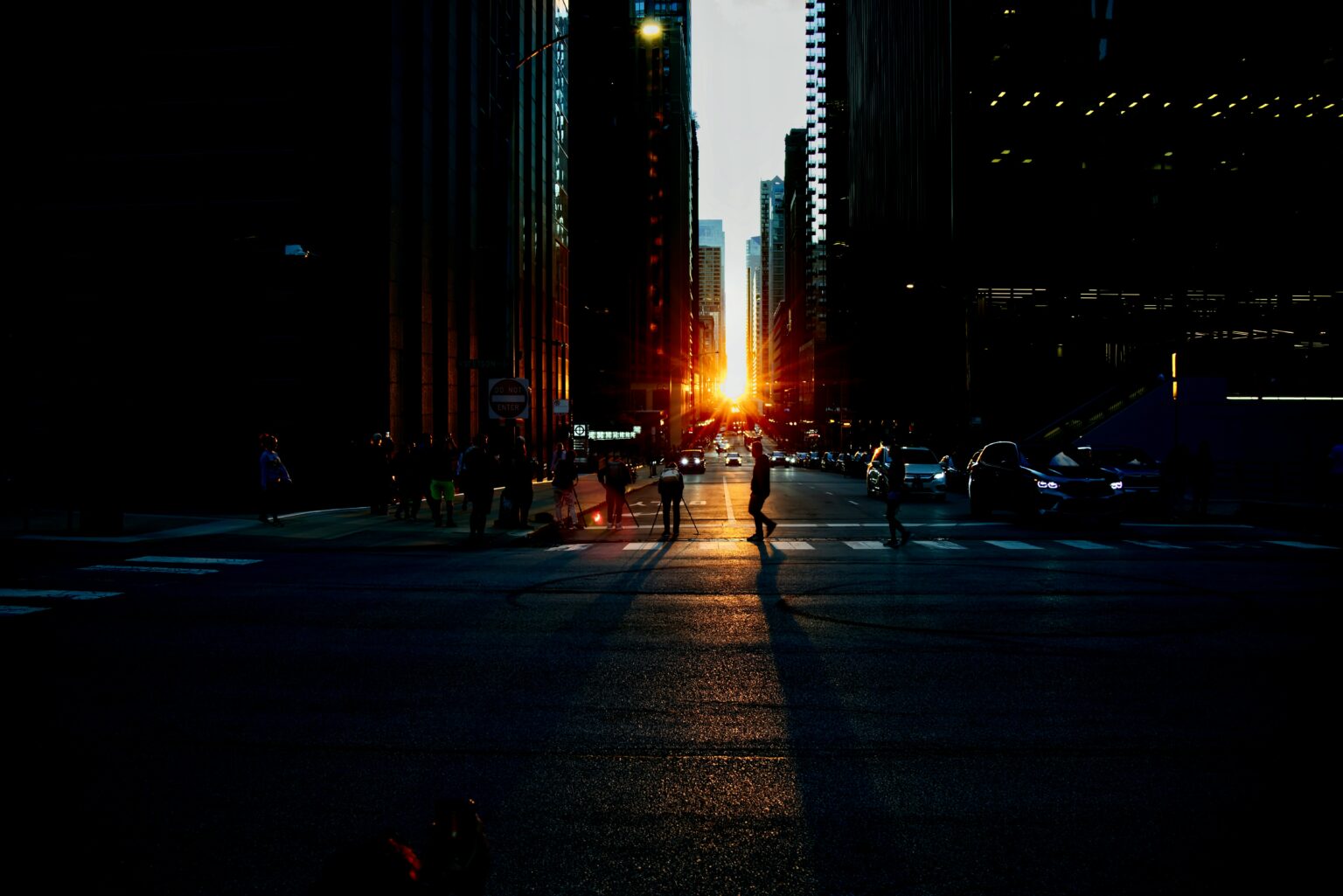
Glare is predictable, not an excuse. Around the equinox, which falls around September 22, the sun rises nearly due east and sets nearly due west. That lines it up with east-west roads and creates longer stretches of blinding light across interstates and neighborhood arterials during peak commute hours.
Glare often hits right as drivers turn left across traffic or approach crosswalks near schools and parks. Dusty windshields, worn wiper blades and pitted glass make it worse, as do wet roads that reflect the sun back toward eye level. Even at “city speeds,” these crashes can cause concussions, whiplash, fractures and serious soft-tissue injuries.
Who Is at Fault in a Sun-Glare Crash in Georgia?
Georgia is an at-fault state. Drivers may not go faster than is “reasonable and prudent under the conditions” (O.C.G.A. § 40-6-180), and glare is one of those conditions. In practice, that means slowing down, increasing following distance, using sunglasses and visors, and waiting for a clear view before turning left.
When a motorist drives through a washed-out intersection, rolls a stop because they “couldn’t see,” or rear-ends a line of traffic during a sunburst, they can still be liable for the injuries they cause.
Other Parties Who May Share Responsibility
Most glare crashes involve a driver who failed to slow down or yield, but more than one party can share fault:
- Employers: A company may be responsible when its employee causes a crash while working, and it may face added exposure if it sent a vehicle out with a cracked windshield or worn wipers.
- Road designers or maintainers: In rare cases, poorly placed signals or missing signage may play a role. Claims against a city, county or the State have short notice deadlines (6 months for a city, 12 months for a county or the State).
How Shared Fault Affects Your Claim
Insurers sometimes argue that glare affected you, too. Georgia uses modified comparative fault (O.C.G.A. § 51-12-33): your recovery is reduced by your percentage of fault, and you can’t recover if you are found 50 percent or more at fault. That’s one reason careful documentation matters.
What to Do After a Sun-Glare Crash
- Call 911 and get a medical evaluation. Concussion and neck or back injuries often show up hours later, and early records tie your symptoms to the crash.
- Document visibility. Photograph the sun’s position, shadow lines and reflections off the road, plus wide shots of the intersection, lane markings and signals.
- Photograph the vehicles. Capture windshield condition, wiper blades, headlights and any tint or cracks that affected visibility.
- Collect witness information. Bystanders can confirm that a driver “never slowed,” “couldn’t see the light” or went through the crosswalk.
- Get the police report number. Ask officers to note the time, direction of travel and whether glare was claimed as a factor. Our guide to Georgia crash report codes explains how to read the report.
- Save video and data. Keep dash-cam files and ask nearby homes and businesses to preserve exterior footage before it’s overwritten.
- Be careful with recorded statements. An insurer may try to frame the crash as “just the sun.” Give basic facts only until you’ve talked with a lawyer.
For a fuller checklist, see our after-the-wreck guide.
Common Injuries and Damages in Glare-Related Collisions
People hurt in glare crashes often suffer whiplash, herniated discs, concussions, shoulder and knee injuries from bracing, fractures and emotional distress. Beyond the ER, many need imaging, physical therapy, injections or surgery, and time away from work or school.
A Georgia injury claim can include:
- Medical bills and future treatment
- Lost wages or reduced earning capacity
- Pain and suffering
- Vehicle repair or total loss
- Damaged property such as child car seats, glasses, phones or laptops (keep the receipts)
Several policies may apply, including the at-fault driver’s liability coverage, your own uninsured/underinsured motorist coverage, medical payments coverage and any commercial policy.
How We Investigate Sun-Glare Crashes
We move quickly to capture what the sun can erase: photographs of the lighting at the time of the crash, 911 audio and body-cam footage, dash-cam and surveillance video, and vehicle data showing speed and braking. We document windshield and wiper condition, check the sun’s position against the time and direction of travel, and work with your medical providers to build a clear, chronological record of your injuries. Then we present that evidence to every responsible insurer.
Prevention Tips for Fall Commutes
- Clean your windshield inside and out, and replace streaking wipers.
- Keep a pair of polarized sunglasses in the car.
- Use your visor early, and avoid following large vehicles so you can see the traffic lights ahead.
- Leave extra time for school zones and left turns across oncoming traffic.
- If you’re blinded, slow down and wait. Don’t guess.
Frequently Asked Questions
Can a Driver Blame Sun Glare to Avoid Fault in Georgia?
Glare can explain why a driver didn’t see you, but it usually doesn’t excuse the crash. Georgia drivers must drive at a speed that is reasonable for the conditions, and glare is a condition they can anticipate. Each case depends on its facts, so the evidence of what the driver did matters.
What If the Sun Was in My Eyes, Too?
That doesn’t automatically bar your claim. Under Georgia’s comparative fault rule, your recovery may be reduced by your share of fault, and it is barred only if you are 50 percent or more at fault. Photos, witness statements and video can show who acted reasonably.
How Long Do I Have to File a Claim After a Glare Crash?
Most Georgia personal injury claims must be filed within two years of the crash, and property damage claims within four years. Claims against a government agency require written notice much sooner. Read more about the Georgia injury deadlines.
Should I Talk to the Other Driver’s Insurance Adjuster?
You can report the basic facts, but you don’t have to give a recorded statement right away. Adjusters may use your words to argue the crash was unavoidable. It’s wise to get advice before you discuss fault or your injuries in detail.
If a sunburst turned your commute into a collision, don’t let an insurer write it off as bad lighting. Talk with a Georgia car accident lawyer at The Gunn Law Group. Your consultation is free and no-obligation, and there’s no fee unless we win. Call 888-BIG-GUNN (888-244-4866).