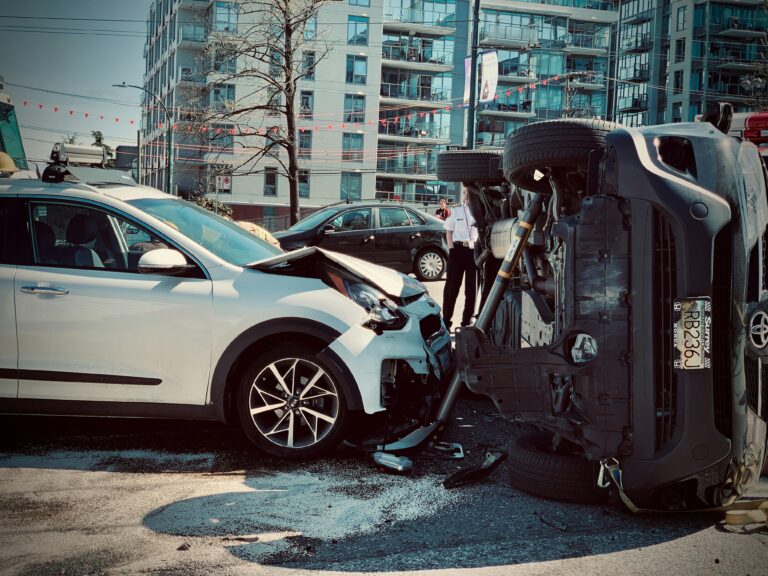
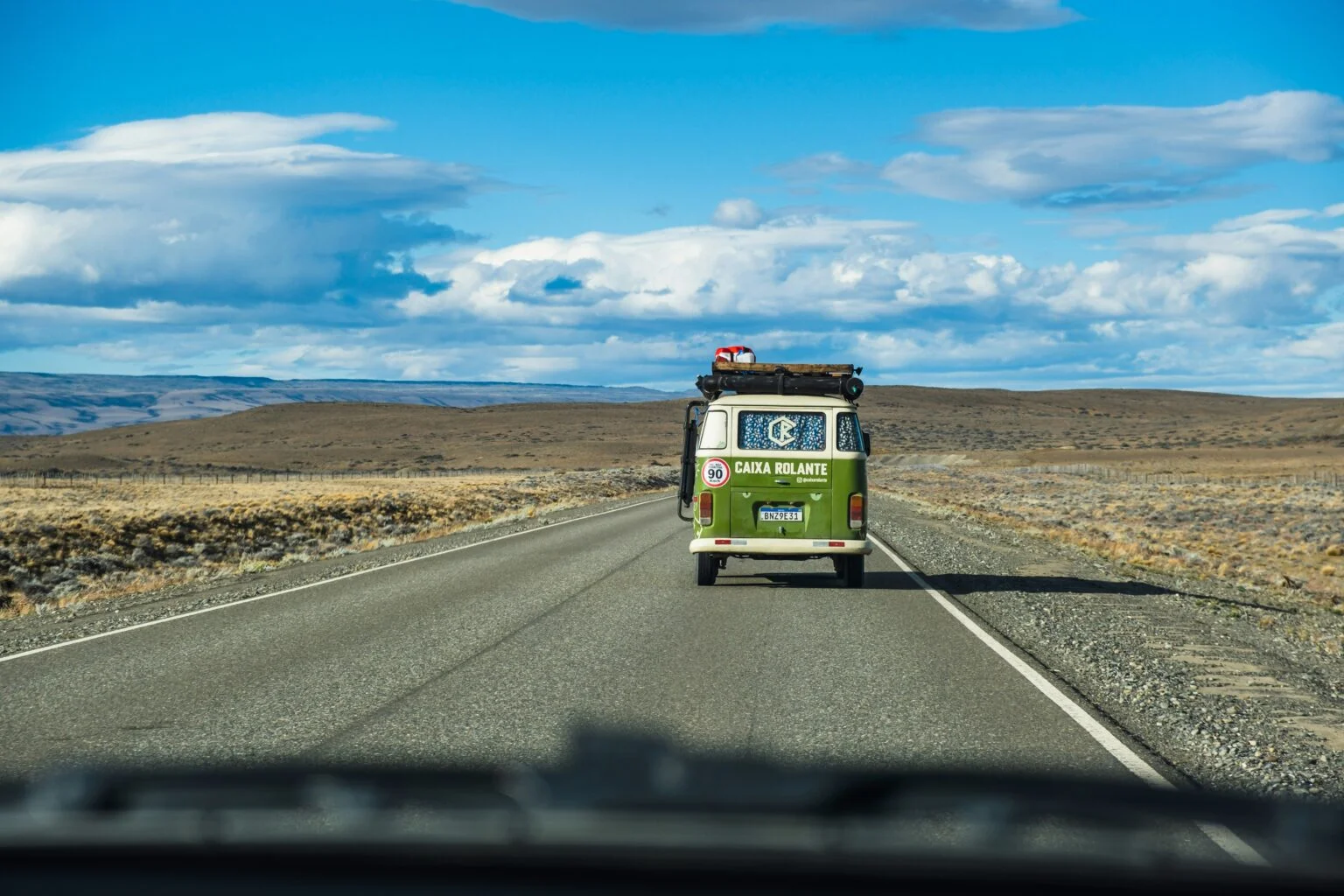
If a leaf-peeping trip to the North Georgia mountains ends in a crash, you can bring a Georgia injury claim against the driver who caused it, even when wet leaves, blind curves or early darkness played a role. Difficult road conditions do not excuse crossing the centerline, tailgating on a descent or braking late. What you document at the scene can make a big difference, because mountain crash scenes change quickly.
October brings heavy traffic to North Georgia’s scenic routes, such as GA-52, US-76 and GA-60, for fall color and seasonal activities. Narrow curves, blind turns, crowded overlooks and drivers unfamiliar with mountain roads all add risk. Here is how to stay safe and what to do if a crash happens.
Key Takeaways
- Georgia is an at-fault state, and drivers must adjust for curves, grades, wet leaves and shade.
- Centerline crossings, tailgating on downgrades and sudden stops at overlooks are common causes of mountain-road crashes.
- Photograph the curve or hill from both directions and capture leaf cover, gravel and signage before conditions change.
- Claims involving a state road or a government contractor can carry notice deadlines far shorter than two years.
- Most Georgia injury claims must be filed within two years (O.C.G.A. § 9-3-33).
Mountain Road Hazards in October
Mountain driving poses specific challenges:
- Wet leaves reduce traction, especially on shaded curves.
- Shaded and blind curves limit how far ahead you can see.
- Long downhill grades strain brakes and tempt drivers to tailgate.
- Tight turns with little shoulder leave minimal room for error.
- Scenic overlooks and trailheads cause sudden slowdowns and abrupt turns.
- Early darkness and rain make all of the above worse.
Collisions often involve a driver crossing the centerline on a curve, tailgating on a descent or stopping abruptly at a pull-off. Even low-speed impacts can cause concussions, whiplash, shoulder and knee injuries and fractures.
Safety Tips for October Leaf Season
Allow extra time, use lower gears on long descents, replace worn wipers, turn headlights on in shade and rain, signal early before overlooks and use safe turnouts. Never cross the centerline to straighten out a curve.
How Georgia Fault Law Applies on Mountain Roads
Georgia is an at-fault state. Every driver must drive safely for conditions: slowing before curves, leaving extra room on downgrades, using headlights in shade and rain and avoiding distractions. A driver who drifts over the centerline, tailgates or brakes too late can be responsible for the crash even on a difficult road. Learn more on our car accident page.
Insurers may argue that you share the blame, for example by claiming you were going too fast for the curve. Under Georgia’s modified comparative fault rule, your recovery is reduced by your percentage of fault, and you cannot recover if you are 50% or more at fault (O.C.G.A. § 51-12-33). That is why photos of the road and witness accounts matter.
What to Do After a North Georgia Mountain-Road Crash
- Call 911 and get medical care. Concussions and neck or back injuries often appear hours later, and early evaluation ties symptoms to the crash.
- Document the scene before vehicles move, if it is safe. Photograph lane markings, curve and grade signs, guardrails, debris, skid marks, leaf cover, wet pavement and gravel.
- Note the environment. Record the time, your direction of travel, the lighting and the weather, and photograph the curve or hill from both approaches.
- Collect information and witnesses. Exchange license and insurance information, and get contacts for other drivers, hikers or residents who saw the crash.
- Preserve video. Save your dash-cam files and ask nearby businesses, trailheads or cabin rentals to keep exterior camera footage.
- Avoid recorded statements and quick offers. Give insurers the basics, but do not guess about speed or fault until you have talked with a lawyer.
- Follow your treatment plan. Keep all appointments and receipts, even if you live outside the area and have to continue care at home.
Our after the wreck guide walks through these steps in more detail.
Who May Be Liable Beyond the Other Driver
- Commercial carriers and tour vans, if worn brakes, bald tires or company policy violations contributed.
- Rental companies, in limited cases where their own negligence, such as poor maintenance, played a role. Federal law generally protects rental companies from liability simply for owning the vehicle.
- Road contractors, in limited cases involving poorly marked work zones or loose gravel left without warnings.
- Property owners, in rare cases where a dangerous driveway entrance forces abrupt stops on a curve.
If a state road or government agency is involved, special rules apply. Claims against the State of Georgia generally require written ante litem notice within 12 months (O.C.G.A. § 50-21-26), and claims against a county generally require notice within 12 months (O.C.G.A. § 36-11-1).
Injuries, Damages and Insurance
Mountain-road crash victims often experience whiplash, herniated discs, concussions with headaches and light sensitivity, shoulder and knee injuries and fractures. A Georgia claim can include emergency and follow-up care, imaging and therapy, future treatment, lost wages or reduced earning capacity, pain and suffering, and repair or replacement of your vehicle and damaged items like car seats, glasses and phones.
Punitive damages are reserved for especially serious misconduct and must be proven by clear and convincing evidence (O.C.G.A. § 51-12-5.1). The general $250,000 cap does not apply when the at-fault driver was impaired by alcohol or drugs.
If the at-fault driver has only Georgia’s minimum coverage of $25,000 per person, your own UM/UIM coverage may help. MedPay, if you carry it, and health insurance can keep treatment moving while fault is sorted out.
Frequently Asked Questions
Who Is at Fault If a Driver Crosses the Centerline on a Mountain Curve?
Usually the driver who crossed the centerline, because drivers must stay in their lane and slow down for curves. Fault can be shared if the other driver was also speeding or distracted. Photos of the curve, tire marks and vehicle positions help show what happened.
Can I Blame Wet Leaves or Gravel for My Crash?
Road conditions alone usually do not create a claim, because drivers are expected to adjust for them. But if a contractor left loose gravel without warnings, or another driver failed to slow for obvious conditions, that party may be responsible. Claims involving government roads have short notice deadlines.
What If I Live Out of State and Crashed in North Georgia?
Georgia law generally applies to a crash that happens in Georgia, including its two-year filing deadline for most injury claims. You can continue treatment at home, but keep all records and follow your treatment plan.
How Long Do I Have to File a Claim?
Most Georgia personal injury claims must be filed within two years (O.C.G.A. § 9-3-33), and property damage claims within four years. See our guide to Georgia injury deadlines.
A fall color trip should not end with a tow truck. If a leaf-season drive turned into a collision, The Gunn Law Group can review what happened in a free, no-obligation consultation. There is no attorney fee unless we win. Call 888-BIG-GUNN (888-244-4866). Hablamos español.