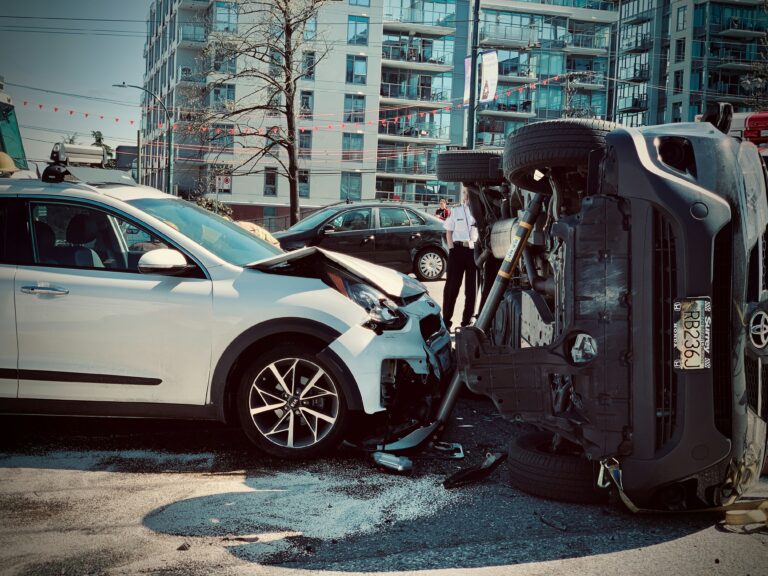

School is out, and summer puts more teenage drivers on Georgia roads, often with friends in the car and more late nights. AAA calls the stretch from Memorial Day through Labor Day the “100 Deadliest Days” for teen drivers. If your teen is in a crash, or you’re hurt by a young, inexperienced driver, knowing how Georgia’s teen license rules and parental liability work can protect your family’s health and finances.
Key Takeaways
- Georgia’s Class D (provisional) license bars driving from midnight to 5 a.m. and limits non-family passengers under 21.
- Parents may be responsible for a teen’s crash under Georgia’s family purpose doctrine when the family provides the car for household use.
- Drivers under 21 can be charged with DUI at a 0.02 blood alcohol concentration.
- Get medical care, a police report and photos, and keep social media quiet after a crash.
- Most Georgia injury claims must be filed within two years (O.C.G.A. § 9-3-33).
Why Teen Crashes Increase in Summer
- More free time, vacations and late nights with friends
- Limited driving experience and judgment in new situations
- Distraction from phones and passengers
- Speeding, skipping seat belts or driving after drinking
- More nighttime driving, when crash risks go up
The mix of inexperience and new freedom makes the summer months a period of higher risk for teen drivers and everyone sharing the road with them.
Georgia’s Teen Driving Rules
Georgia uses graduated licensing for drivers under 18. According to the Georgia Department of Driver Services, a Class D license holder:
- May not drive between 12:00 midnight and 5:00 a.m., with no exceptions
- May carry only immediate family members as passengers during the first six months
- May carry only one non-family passenger under 21 during the second six months
- May carry no more than three non-family passengers under 21 after that
Joshua’s Law also requires teens under 18 applying for a Class D license to complete an approved driver education course. Georgia’s hands-free law (O.C.G.A. § 40-6-241) applies to all drivers, and drivers under 21 can be charged with DUI at a blood alcohol concentration of 0.02 or more.
When a teen driver breaks these rules, such as driving after midnight or with too many passengers, that violation can be evidence of negligence in an injury claim.
Parental Liability in Georgia
Parents are not automatically responsible for every crash their teen causes, but several rules can make them liable:
- Family purpose doctrine. When a parent owns or provides a car for family use and a household member drives it with permission, the parent may be responsible for the driver’s negligence.
- Negligent entrustment. A parent who lets a teen drive knowing the teen is reckless, unlicensed or impaired may be liable for the parent’s own negligence.
- Willful or malicious acts. Under O.C.G.A. § 51-2-3, parents can be liable up to $10,000 plus court costs for a minor child’s willful or malicious acts. That statute does not limit claims under the family purpose doctrine.
The family’s auto insurance policy usually covers a teen listed on the policy or living in the household. If you were hit by a teen driver, the claim is typically made against the insurance on the car the teen was driving.
What to Do If Your Teen Is in a Crash
- Stay calm and check for injuries. Make sure everyone is safe and call 911 if needed.
- Collect information. Get insurance and contact details from all drivers and the names of witnesses.
- Take photos. Document the vehicles, the scene and any injuries.
- Get a police report. Official documentation matters for insurance and any claim. Our guide to Georgia crash report codes explains how to read it.
- Seek medical care. Even minor crashes can cause hidden injuries.
- Avoid social media posts. Insurers may use posts and photos against your teen or your family.
- Notify your insurer. Report the crash, but don’t admit fault or accept a quick settlement.
- Talk to an attorney. Teen crashes often raise questions about liability and coverage.
Common Injuries and Damages After Teen Accidents
- Whiplash and soft-tissue injuries
- Broken bones and concussions
- Emotional trauma and anxiety about driving
- Significant car damage or total loss
- Lost wages for parents who must care for an injured child
Georgia uses modified comparative fault. If your teen was partly at fault, recovery is reduced by that share, and it is barred at 50% or more (O.C.G.A. § 51-12-33). If the other driver had little or no insurance, your uninsured/underinsured motorist coverage may help. Learn more about car accident claims.
Frequently Asked Questions
Are Parents Liable If Their Teen Causes a Crash in Georgia?
They can be. Under the family purpose doctrine, a parent who provides a car for family use may be responsible when a household member drives it negligently. Parents can also be liable for negligent entrustment. The family’s auto insurance usually responds first.
Can My Teen Recover Damages If They Were Partly at Fault?
Yes, as long as your teen was less than 50% at fault. Any award is reduced by your teen’s percentage of fault. Insurers often push fault onto young drivers, so evidence from the scene is important.
How Long Does My Teen Have to File an Injury Claim?
For a minor’s own injury claim, Georgia generally allows the same filing period after the minor turns 18 (O.C.G.A. § 9-3-90). Claims by parents, property damage claims and claims involving government entities follow different deadlines. See our guide to Georgia personal injury deadlines.
Should My Teen Give a Recorded Statement to the Other Driver’s Insurer?
It is usually best to wait until you have talked with a lawyer. Teens may guess about speed or distances or apologize out of politeness, and those statements can be used to argue fault. Stick to basic facts when reporting the crash.
If your summer was disrupted by a teen driver crash, you don’t have to deal with the insurance companies alone. The Gunn Law Group offers a free, no-obligation consultation, and you pay no attorney fee unless we recover for you. Call 888-BIG-GUNN (888-244-4866).