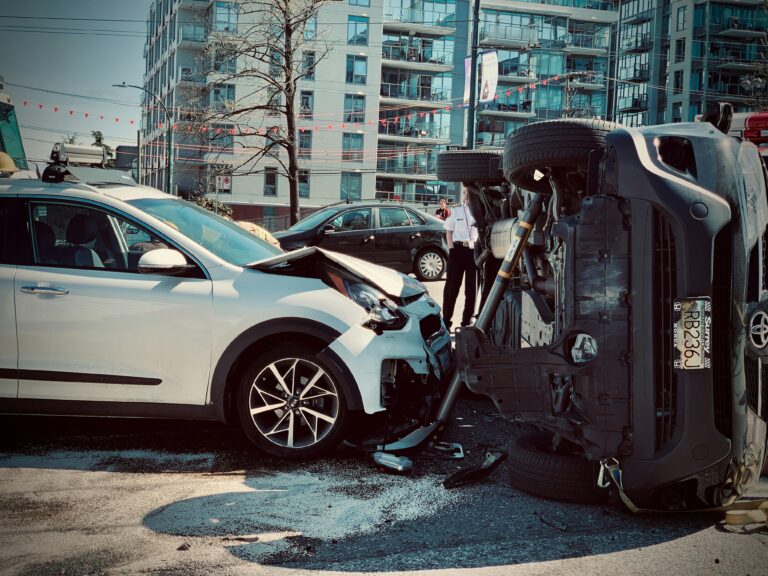

Thanksgiving week is one of Georgia’s busiest travel periods, and if a crash disrupts your holiday plans, the driver or company that caused it is responsible for your losses under Georgia’s fault-based system. Long drives on I-75, I-85 and I-20, “Blackout Wednesday” evening traffic, airport pickups and Black Friday shopping all stack risk, especially once daylight saving time ends and darkness comes early.
Knowing how Georgia fault law works, and what to do in the first 24-48 hours, can protect both your health and your claim. Here is what to know before you hit the road and what to do if something goes wrong.
Key Takeaways
- Georgia is an at-fault state: the negligent driver or company that causes a crash is responsible for the damages.
- Fatigue, rain, glare, rental cars and holiday drinking all raise the risk of a crash during Thanksgiving week.
- Rental, out-of-state and work-related trips can involve several insurance policies, so photograph every card and agreement.
- A bar or host may share responsibility in narrow situations under Georgia’s dram shop law (O.C.G.A. § 51-1-40).
- Most Georgia injury claims must be filed within two years (O.C.G.A. § 9-3-33).
Why Thanksgiving Week Driving Is Riskier
Holiday driving combines predictable danger factors. Fatigue builds during late-night departures and long returns. Weather swings bring rain bands and sunset glare. Out-of-state and rental-car drivers navigate unfamiliar lanes, make last-second exits or stop short near interchanges.
Add crowded mall parking lots, hotel drop-offs and rideshare zones near family gatherings, and even “low-speed” impacts can cause concussions, whiplash, fractures and knee or shoulder injuries from bracing.
How Georgia Fault Law Applies to Holiday Crashes
Georgia is an at-fault state. Every driver has a duty to drive safely for conditions: slowing in rain and darkness, leaving more following distance and staying off the phone. When a driver speeds through standing water, drifts between lanes while drowsy or turns across traffic despite glare, that driver can be responsible for the harm that follows. Delivery fleets and other companies can share responsibility when poor maintenance, such as bald tires or worn wipers, or a policy violation contributes.
Your own share of fault matters too. Under Georgia’s modified comparative fault rule, your recovery is reduced by your percentage of fault, and you cannot recover if you are 50% or more at fault (O.C.G.A. § 51-12-33). Learn more on our car accident page.
Rental and Out-of-State Vehicles
Liability still follows negligence, but insurance may involve several layers: the at-fault driver’s personal auto policy, any coverage bought at the rental counter and, if the trip was work-related, an employer’s policy. Rental agreements can also affect who deals with which insurer, so keep copies of everything.
What to Do After a Thanksgiving Week Crash
- Call 911 and get medical care. Concussion and neck or back symptoms often appear hours later, and early evaluation links injuries to the collision.
- Document the scene. Photograph vehicle positions, damage, skid marks, lane markings, lighting, weather and any debris or standing water.
- Capture special details. Photograph rental agreements, out-of-state plates, rideshare app screens, delivery company logos and insurance cards.
- Get witness contacts. Travelers at the gas station, store employees and bystanders can confirm speed, distraction or unsafe lane changes.
- Ask for video preservation. Nearby businesses, parking decks, hotels and home doorbell cameras often record the moment of impact. Ask them to save the footage.
- Notify insurers carefully. Give basic facts only and avoid recorded statements until you have spoken with a lawyer. Do not guess about speed or fault.
- Follow your treatment plan. Attend all appointments and keep receipts and mileage records.
The after the wreck guide walks through these steps in more detail.
Black Friday Parking Lots and Holiday Drinking
Parking-lot collisions and store injuries tend to increase around Black Friday. Low speeds can still seriously injure pedestrians and shoppers, and property owners must use ordinary care to keep their premises and approaches safe. If you are hurt in a store or lot, report it in writing, get an incident number and photograph the hazard before it disappears. Our premises liability page explains these claims.
The night before Thanksgiving is known for heavy drinking. Georgia’s dram shop law, O.C.G.A. § 51-1-40, is narrow. A bar, restaurant or social host may be liable only if it knowingly served someone who was noticeably intoxicated, or willfully and unlawfully served someone under 21, knowing that person would soon be driving, and the serving was a proximate cause of the crash. These claims depend on fast investigation of receipts, video and witnesses. See our drunk driving accident page.
Injuries, Damages and Insurance That Can Help
Holiday crashes often involve whiplash and herniated discs, concussions with headaches and light sensitivity, shoulder and knee injuries, fractures and emotional distress. A Georgia claim can include ER and follow-up care, imaging and therapy, future treatment, lost wages or reduced earning capacity, pain and suffering, and repair or replacement of your vehicle and damaged items like car seats, glasses and phones.
Punitive damages are reserved for especially serious misconduct and must be proven by clear and convincing evidence (O.C.G.A. § 51-12-5.1). They are generally capped at $250,000, but the cap does not apply when the at-fault driver was impaired by alcohol or drugs.
Insurance that may help right away includes:
- MedPay, if you carry it, which can help with immediate bills regardless of fault.
- Uninsured/underinsured motorist (UM/UIM) coverage, which can fill gaps when the at-fault driver has minimal insurance or flees. Read why your own insurer may fight a UM claim.
- Rental and travel coverage, which may apply if you were in a rented or borrowed vehicle.
Frequently Asked Questions
Who Pays If I Am Hit by a Driver in a Rental Car?
Usually the at-fault driver’s own auto insurance applies first, and coverage purchased from the rental company may add another layer. If the driver was traveling for work, an employer’s policy may also apply. Photograph the rental agreement and every insurance card at the scene.
Can a Bar Be Liable If a Drunk Driver Hit Me on Thanksgiving Eve?
Possibly, but Georgia’s dram shop law is narrow. The server must have knowingly served someone who was noticeably intoxicated, or unlawfully served someone under 21, knowing that person would soon be driving. Receipts, surveillance video and witnesses are key, and they can disappear quickly.
What If the Other Driver Is from Out of State?
You can generally still bring a claim in Georgia for a crash that happened here, and the other driver’s insurer handles the claim. Your UM/UIM coverage may help if that driver’s limits are too low to cover your losses.
How Long Do I Have to File a Claim?
Most Georgia personal injury claims must be filed within two years of the crash (O.C.G.A. § 9-3-33). Waiting also makes evidence harder to find, since video is often overwritten within days.
If a Thanksgiving week wreck or Black Friday incident changed your plans, The Gunn Law Group can review what happened in a free, no-obligation consultation. There is no attorney fee unless we win. Call 888-BIG-GUNN (888-244-4866). Hablamos español.