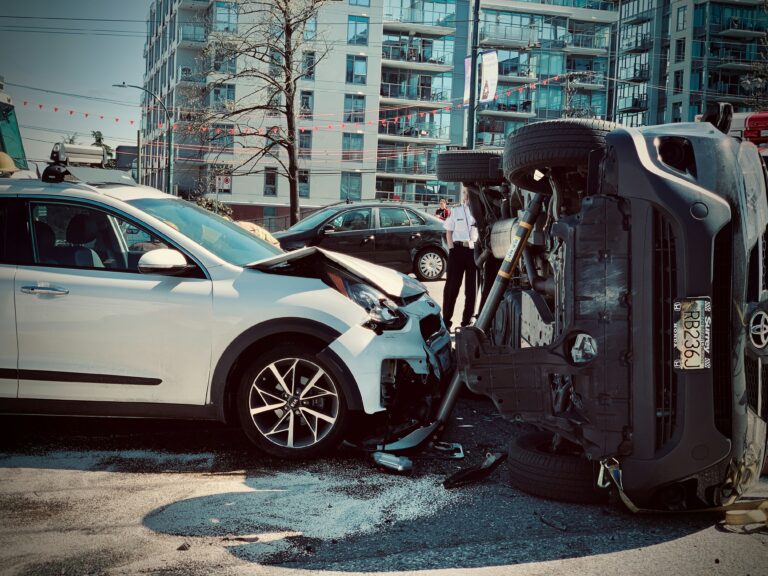
If a distracted driver hits you in Georgia, you can hold that driver responsible for your medical bills, lost income, pain and suffering and property damage. Georgia’s Hands-Free law bans drivers from holding a phone or reading and sending texts while driving, and evidence that the other driver was on a phone can be powerful proof of fault. The key is to preserve that evidence quickly, before phone records, video and vehicle data disappear.
Distracted driving is any activity that pulls a driver’s eyes, hands or attention away from the road. A few seconds looking at a screen can be enough to cause a serious crash. Here is how Georgia law treats distracted driving, how it is proven, and how to protect your claim.
Key Takeaways
- Under the Hands-Free Georgia Act (O.C.G.A. § 40-6-241), drivers may not physically hold a phone or write, send or read texts, emails or social media while driving, with limited exceptions such as navigation and voice-to-text.
- Truck and bus drivers face stricter federal rules that prohibit texting and hand-held phone use while driving.
- A traffic ticket for phone use can support your claim, but distraction can also be proven with phone records, video, witnesses and vehicle data.
- Georgia’s comparative fault rule reduces recovery by your share of fault and bars it at 50% or more (O.C.G.A. § 51-12-33).
- Most injury claims must be filed within two years (O.C.G.A. § 9-3-33).
Understanding Distracted Driving
Distractions come in many forms, including:
- Texting or phone use: sending texts, making hand-held calls, or scrolling apps and social media.
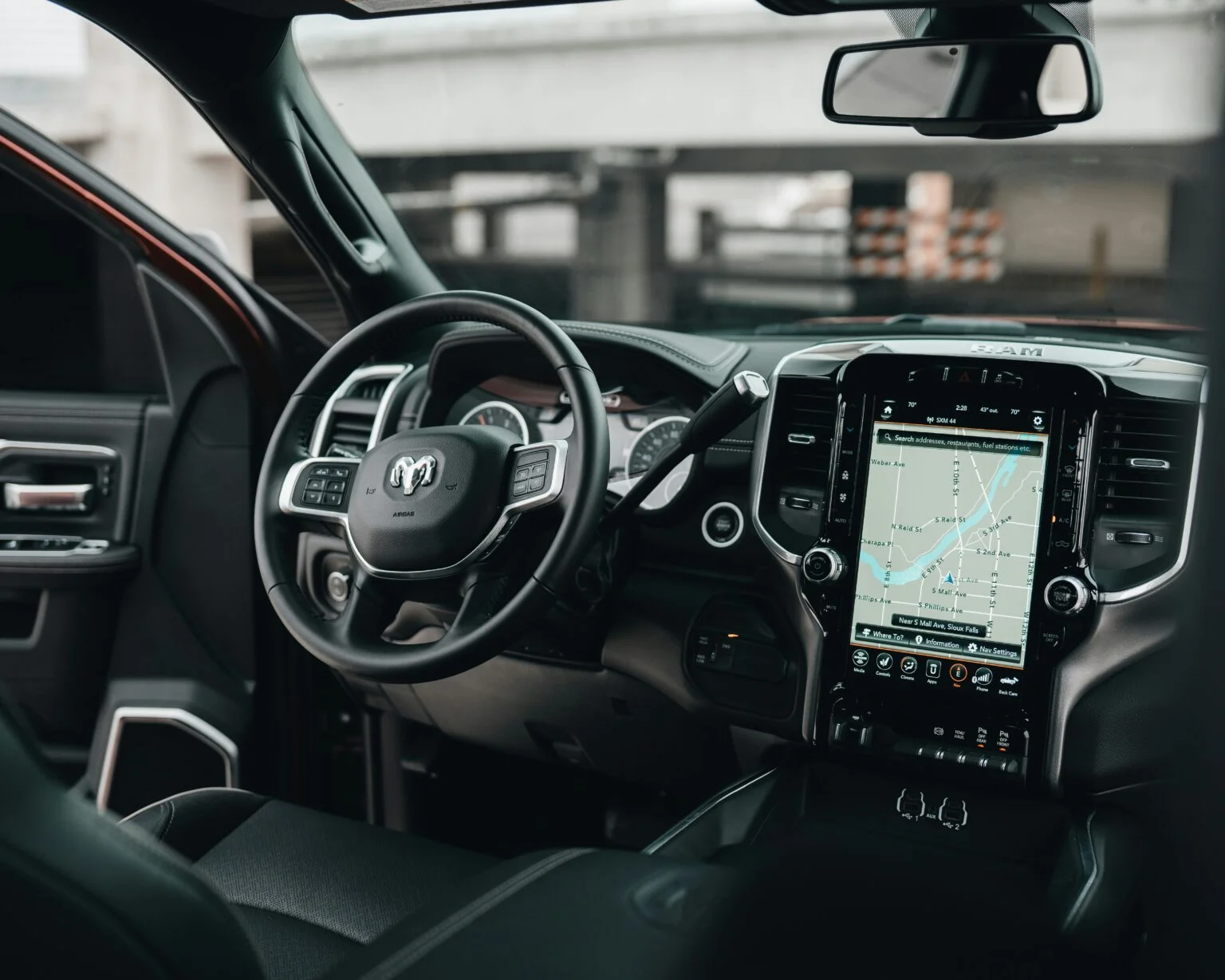
- Navigation systems: typing in addresses or adjusting a GPS or infotainment screen while moving.
- Eating or drinking: handling food and beverages instead of the wheel.
- Passengers: conversations, children or pets that take a driver’s attention off the road.
Distracted drivers are slower to react to brake lights, traffic signals and pedestrians. That is why many distraction crashes are rear-end collisions or crashes at intersections.
What Georgia Law Says About Phones Behind the Wheel
The Hands-Free Georgia Act makes it illegal for a driver to:
- Physically hold or support a phone or stand-alone electronic device with any part of the body
- Write, send or read text-based communications, including texts, emails and instant messages
- Watch videos or movies, other than navigation data
- Record or broadcast video, except with devices that record continuously on their own
Drivers may still use hands-free calling, voice-to-text and navigation. Fines are up to $50 for a first offense, $100 for a second and $150 for a third or later offense within 24 months. Commercial truck and bus drivers are also covered by federal rules that prohibit texting and using a hand-held phone while driving.
A violation of these laws can be strong evidence that a driver was careless. In a civil claim, you still must show the distraction contributed to the crash and caused your injuries.
How Distraction Is Proven After a Crash
Drivers rarely admit they were looking at their phones. Evidence that can help prove distraction includes:
- The police report, including citations and any codes for driver distraction. Our guide to Georgia crash report codes explains how to read them.
- Phone records, which can show calls, texts and data use around the time of the crash. These are usually obtained through formal requests in a claim or lawsuit.
- Witness statements from people who saw the driver looking down or holding a phone.
- Video from traffic cameras, businesses, dash cameras and nearby doorbell cameras.
- Vehicle data, such as speed and braking information that may show the driver never slowed down.
Some of this evidence is kept only for a short time, so a lawyer may send preservation letters early.
Steps to Take After a Distracted Driving Accident
- Get medical care right away, even if you feel fine. Some injuries do not show symptoms for hours or days.
- Call the police and make sure an official crash report is made. Tell the officer if you saw the other driver on a phone.
- Document the scene with photos of the vehicles, the road, traffic signals and your injuries.
- Get witness information, including names and phone numbers.
- Look for cameras at nearby businesses and homes, and write down where they are.
- Be careful with insurers. Adjusters may ask for a recorded statement or offer a quick settlement. See our guide to insurance lowball tactics before you respond.
Compensation Available for Victims
If a distracted driver caused your crash, you may be able to recover:
- Medical expenses: emergency care, ongoing treatment, rehabilitation and therapy.
- Lost wages: income lost while you recover and any reduced earning capacity.
- Pain and suffering: physical pain and emotional distress.
- Property damage: repair or replacement of your vehicle and personal property.
Georgia’s 2025 tort reform law, SB 68, may affect some claims. Evidence about seat belt use may now be admitted (O.C.G.A. § 40-8-76.1), and for claims arising on or after April 21, 2025, how medical expenses are proven has changed (O.C.G.A. § 51-12-1.1). Our guide to Georgia car accident case value explains the factors that affect a claim.
Frequently Asked Questions
Is It Illegal to Hold a Phone While Driving in Georgia?
Yes. The Hands-Free Georgia Act prohibits holding or supporting a phone while driving, and bans writing, sending or reading texts and emails. Hands-free calls, voice-to-text and navigation are allowed.
How Can I Prove the Other Driver Was on Their Phone?
Common evidence includes the police report, witness statements, video from nearby cameras and phone records, which are usually obtained through formal requests in a claim or lawsuit. Acting quickly helps preserve this evidence.
What If I Was Partly at Fault for the Crash?
You can still recover under Georgia law as long as you are less than 50% at fault, but your recovery is reduced by your share of fault. Insurers sometimes try to shift blame, so be careful what you say.
How Long Do I Have to File a Distracted Driving Claim?
Most Georgia injury claims must be filed within two years of the crash, and property damage claims generally within four years. Claims involving government vehicles can require notice much sooner.
If a distracted driver injured you, The Gunn Law Group can review your car accident claim in a free, no-obligation consultation. There is no attorney fee unless we recover for you, and hablamos español. Call 888-BIG-GUNN (888-244-4866).