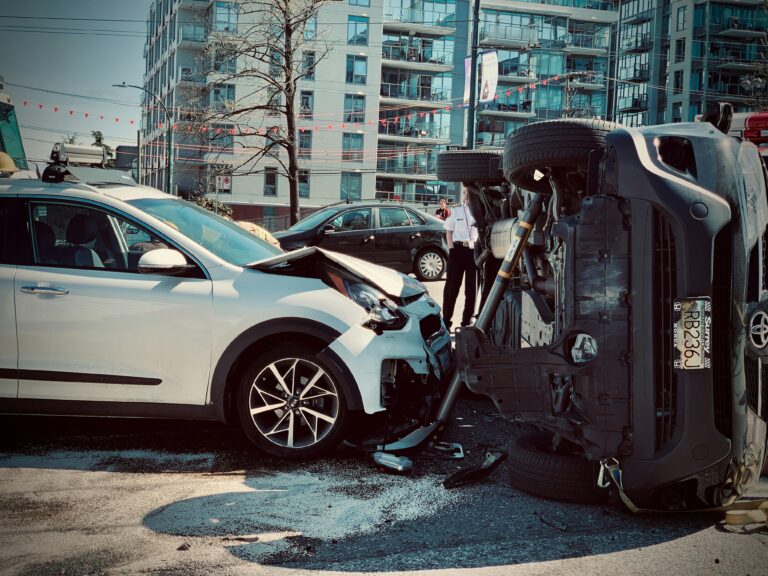

In a Georgia personal injury case, the injured person has the burden to prove that someone else’s negligence caused the injury and to prove the losses that followed. Police reports, photos, eyewitnesses and medical records are the foundation, but some questions, such as how fast a truck was going or what future surgeries will cost, need someone with specialized training to answer. That is the role of an expert witness.
Expert witnesses are professionals who explain technical issues to a judge or jury and give opinions based on their knowledge. This guide explains what an expert witness is, the rules Georgia courts apply, the kinds of experts commonly used and when they’re needed.
Key Takeaways
- An expert witness uses specialized knowledge to explain evidence and offer opinions that help a judge or jury.
- Georgia’s expert testimony rule, O.C.G.A. § 24-7-702, requires opinions based on sufficient facts and reliable methods, reliably applied to the case.
- Common experts include doctors, accident reconstructionists, economists, vocational experts and mental health professionals.
- Medical malpractice cases require an expert affidavit when the lawsuit is filed (O.C.G.A. § 9-11-9.1).
- Not every case needs an expert, but disputed fault, serious injuries and future losses often do.
What Is an Expert Witness in a Personal Injury Case?
An expert witness is someone qualified by knowledge, skill, experience, training or education to give opinions on issues outside everyday experience. Ordinary witnesses testify about what they saw or heard. Experts interpret evidence, explain technical details and give opinions, for example on what caused a crash or whether an injury is permanent.
Georgia’s Rule for Expert Testimony
Under O.C.G.A. § 24-7-702, a qualified expert may testify if:
- The expert’s specialized knowledge will help the judge or jury understand the evidence or decide a fact in issue.
- The testimony is based on sufficient facts or data.
- The testimony is the product of reliable principles and methods.
- The expert has reliably applied those principles and methods to the facts of the case.
This is similar to the federal Daubert standard. A judge acts as a gatekeeper and can exclude an expert whose methods aren’t reliable. In medical malpractice cases, the statute adds requirements, including that the expert generally has actively practiced or taught in the relevant field in at least three of the last five years.
Types of Expert Witnesses Used in Personal Injury Cases
Medical Experts
Doctors and other health professionals explain the nature and severity of injuries, the treatment you’ve had and what you’re likely to need in the future. They can address whether the accident caused the injury, whether a condition is permanent, and whether a pre-existing condition was made worse. Surgeons, neurologists, physical medicine specialists and pain management physicians are common examples.
Accident Reconstruction Experts
Reconstructionists analyze crash scenes, vehicle damage, skid marks, event data recorder information and video to explain how a collision happened. They are often used in car accident, truck accident, motorcycle and pedestrian cases when drivers tell conflicting stories. They may evaluate:
- Speeds and angles of impact
- Signal timing, sight lines and driver reaction times
- Road design, weather and lighting
Economic Experts
Economists calculate financial losses such as lost earnings, lost earning capacity, the cost of future care and the present value of those amounts. Their work is especially important when an injury affects someone’s career for years.
Life Care Planners and Vocational Experts
A life care planner outlines the medical care, equipment and support a seriously injured person will likely need over time. Vocational experts assess whether you can return to your prior job, do modified work, or work at all, and how your earning ability has changed.
Mental Health Experts
Psychologists and psychiatrists can explain the emotional effects of a traumatic event, such as anxiety, depression or post-traumatic stress, and how those effects change daily life. Their testimony can support claims for pain and suffering and for the cost of treatment.
When Are Expert Witnesses Needed?
Not every case needs an expert. A straightforward rear-end crash with minor injuries may settle based on records alone. Experts are more likely to be needed when:
- Fault is disputed. An accident reconstructionist can explain what the physical evidence shows.
- Injuries are serious or permanent. A treating doctor or independent medical expert can explain long-term effects.
- Future losses are significant. Economists and life care planners can put numbers on future care and lost earnings.
- The case is a wrongful death claim. Experts can help measure the full value of the life lost. See our wrongful death page.
- The claim involves medical malpractice or a defective product. These claims almost always require expert testimony.
How Experts Affect Settlement and Trial
Expert opinions can shape a case long before trial. A clear, well-supported report can help an insurance adjuster understand why an injury is serious or why its insured was at fault. At trial, experts help jurors understand medical terms, physics and financial calculations.
Georgia’s 2025 tort reform law (SB 68) also affects how some evidence is presented. For claims arising on or after April 21, 2025, it changed how medical expenses may be proven, and it limits certain arguments about noneconomic damages. Expert testimony may play a role in addressing those issues.
Challenges with Expert Witnesses
- Cost. Qualified experts can be expensive, so whether to hire one is a judgment call based on the issues and the value of the claim.
- Opposing experts. Insurers and defendants often hire their own experts, who may reach different conclusions.
- Admissibility challenges. The other side may ask the court to exclude an expert under O.C.G.A. § 24-7-702.
- Deadlines. Courts set schedules for disclosing experts and their opinions, and missing them can hurt a case.
Frequently Asked Questions
Does Every Personal Injury Case Need an Expert Witness?
No. Many claims resolve based on medical records, photos, police reports and witness statements. Experts are most often needed when fault is disputed, injuries are serious, future losses are large, or the claim involves medical malpractice or a defective product.
Can My Treating Doctor Be an Expert Witness?
Often, yes. Treating doctors frequently testify about your diagnosis, treatment and prognosis. In some cases, an additional expert who did not treat you may also be used to address specific questions.
Who Pays for Expert Witnesses?
In many personal injury cases handled on a contingency fee basis, the law firm advances case costs such as expert fees, which are then repaid from any recovery. The details should be spelled out in your fee agreement.
What Happens If the Insurance Company Has Its Own Expert?
It’s common for both sides to have experts. The judge decides whether each expert’s testimony is admissible, and the jury decides which opinions to believe based on qualifications, methods and how well the opinions fit the evidence.
If you were injured and wondering what it will take to prove your claim, you don’t have to figure it out alone. The Gunn Law Group offers a free, no-obligation consultation, and you pay no attorney fee unless we win. Call 888-BIG-GUNN (888-244-4866).