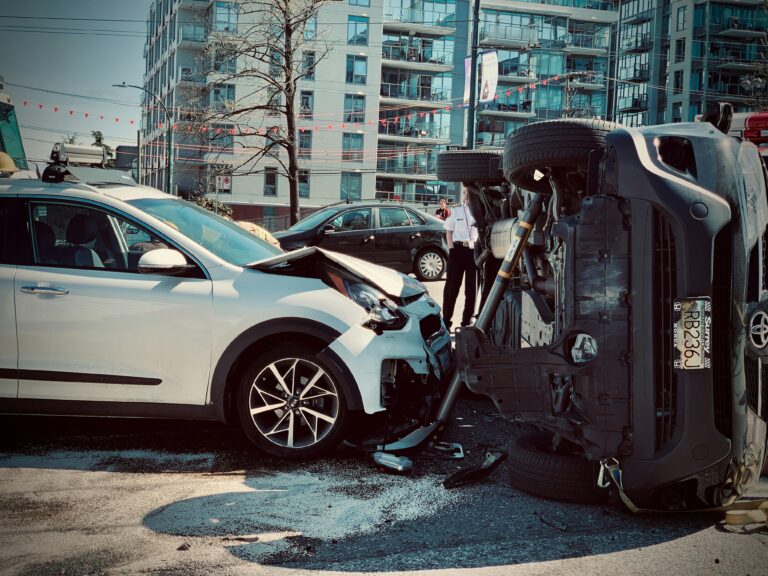
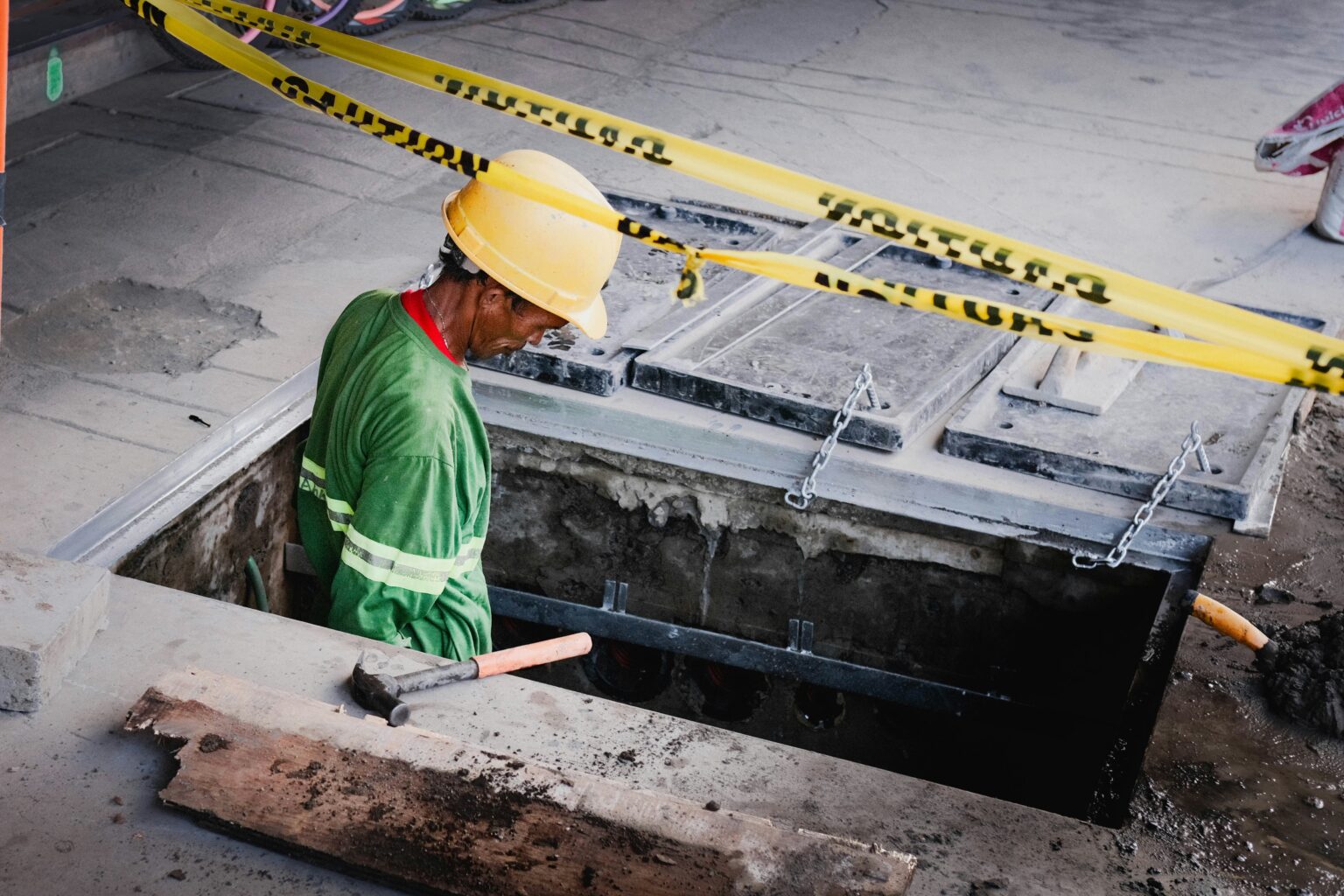
If you were hurt in a Georgia work zone crash, the driver who caused it is usually responsible, and a road contractor may share fault if missing, confusing or badly placed traffic control helped cause the wreck. Georgia treats speeding in a marked work zone as a serious offense, and that violation can be strong evidence of negligence. What you document before the barrels move can protect your health and your claim.
Lane closures, shifting traffic patterns and sudden merges make Georgia’s construction areas a hotspot for crashes. Whether you were rear-ended in a backup, sideswiped at a lane drop or hit after a confusing detour, here is how Georgia law applies and what to do next.
Key Takeaways
- Every driver must slow down, leave extra following distance, obey temporary signs and stay off the phone in a work zone.
- Speeding in a designated highway work zone is a misdemeanor of a high and aggravated nature with fines up to $2,000 (O.C.G.A. § 40-6-188).
- Road contractors may share responsibility when traffic control devices are missing, confusing or unsafe.
- Claims involving the State or a local government have short notice deadlines, as little as six months for a city.
- Most Georgia injury claims must be filed within two years (O.C.G.A. § 9-3-33).
Why Construction Zones Are So Risky
Construction zones disrupt normal road cues. Temporary barrels narrow lanes, uneven pavement reduces traction and drivers must merge in short distances, often at highway speed. Add sunrise or sunset glare, wet paint or loose gravel and drivers glancing at GPS during a detour, and collisions multiply.
Common work zone crashes include:
- Rear-end collisions in stop-and-go traffic, often just past a curve or hill.
- Sideswipes at lane drops and last-second merges.
- Wrong-way entries into coned-off lanes.
- Crashes caused by uneven pavement edges or debris from milling.
- Pedestrian strikes involving flaggers or workers.
Georgia Fault Rules and Work Zone Laws
Georgia is an at-fault state. When a driver ignores a “Merge Now” sign, tailgates into a chain-reaction crash or darts out of a closed lane at the last second, that driver can be responsible for the resulting injuries. If you were hit from behind in a backup, our guide to Georgia rear-end accidents explains how fault is decided.
Under O.C.G.A. § 40-6-188, the Georgia Department of Transportation and local governments can set temporary reduced speed limits in highway work zones. A driver convicted of speeding in a designated work zone faces a fine of $100 to $2,000, up to 12 months in jail, or both. The reduced limit is enforceable when the required signs are posted and workers, barriers, work vehicles or dangerous drop-offs are present.
Your own share of fault matters too. Under O.C.G.A. § 51-12-33, your recovery is reduced by your percentage of fault, and you cannot recover if you are 50% or more at fault.
Who May Be Liable Besides the Other Driver
- Road contractors and traffic-control companies, when missing warnings, poorly placed devices, short merge tapers or hazardous pavement drop-offs contribute to a crash.
- Commercial carriers, whose drivers ignore reduced speed limits or drive trucks with worn brakes or overweight loads that cannot stop in time. See our truck accident page.
- Maintenance crews, for spilled materials, unsecured loads or equipment intruding into open lanes without proper flagging.
Claims involving public agencies are complex and time-sensitive. Claims against the State of Georgia generally require written ante litem notice within 12 months (O.C.G.A. § 50-21-26), claims against a county within 12 months (§ 36-11-1) and claims against a city within six months (§ 36-33-5). Learn more in our guide to Georgia injury deadlines.
What to Do After a Construction Zone Crash
Crews quickly reset barrels, tow vehicles and restart work, so evidence disappears fast.
- Call 911 and get a medical evaluation. Concussion and neck or back symptoms often appear hours later, and early records tie injuries to the crash.
- Photograph the traffic control setup. Capture lane-drop signs, arrow boards, cones, barrels, “Road Work Ahead” signs and any missing or fallen devices, from your approach path if possible.
- Document the road surface. Photograph uneven pavement edges, loose gravel, slick paint, puddles and milling debris.
- Record traffic conditions. Note how fast traffic was moving and whether the backup was hidden beyond a curve or hill.
- Collect information and witnesses. Exchange insurance details and get names for other drivers, passengers, flaggers and workers.
- Preserve video. Save dash-cam files and ask nearby businesses or the project office to preserve camera footage.
- Get the police report number. Ask the officer to note that the crash happened in a work zone. Our guide to Georgia crash report codes explains how to read the report.
- Avoid recorded statements and quick offers, and follow your treatment plan.
Injuries, Damages and Insurance
Stop-and-go rear-ends and sideswipes can cause whiplash and herniated discs, concussions with headaches and light sensitivity, shoulder and knee injuries, fractures and anxiety about highway merges. A Georgia claim can include ER and follow-up care, imaging and therapy, future treatment, lost wages or reduced earning capacity, pain and suffering, and repair or replacement of your vehicle and damaged items like car seats, glasses and phones.
Punitive damages may be available only for especially serious misconduct proven by clear and convincing evidence (O.C.G.A. § 51-12-5.1). They are generally capped at $250,000, with exceptions including impaired driving.
The at-fault driver’s liability policy is the main source of payment. MedPay, if you carry it, can help with immediate bills regardless of fault, and uninsured/underinsured motorist coverage may fill gaps if the at-fault driver has minimal insurance or flees. When a contractor or commercial carrier shares fault, its policy may also be available.
Frequently Asked Questions
Who Is at Fault in a Georgia Work Zone Crash?
Usually the driver who was speeding, following too closely or merging unsafely. A road contractor may share fault if traffic control devices were missing, confusing or placed incorrectly. Photos of the work zone as you approached it are often key evidence.
Can I Sue a Construction Company for a Work Zone Accident?
Possibly. If a contractor’s signs, barrels, lane shifts or pavement edges were unsafe and helped cause the crash, it may be responsible. These claims are fact-specific, and when a government agency is involved, written notice may be due within six to 12 months.
Does Speeding in a Work Zone Affect My Injury Claim?
It can. Speeding in a designated highway work zone violates O.C.G.A. § 40-6-188, and a traffic law violation can be evidence that the other driver was negligent. The police report and any citation can help support your claim.
How Long Do I Have to File a Claim?
Most Georgia personal injury claims must be filed within two years (O.C.G.A. § 9-3-33). Notice deadlines for claims against the State, a county or a city are shorter.
If a construction zone crash turned your commute into chaos, The Gunn Law Group can review what happened in a free, no-obligation consultation. Learn more about our car accident work, and remember there is no attorney fee unless we recover for you. Call 888-BIG-GUNN (888-244-4866). Hablamos español.