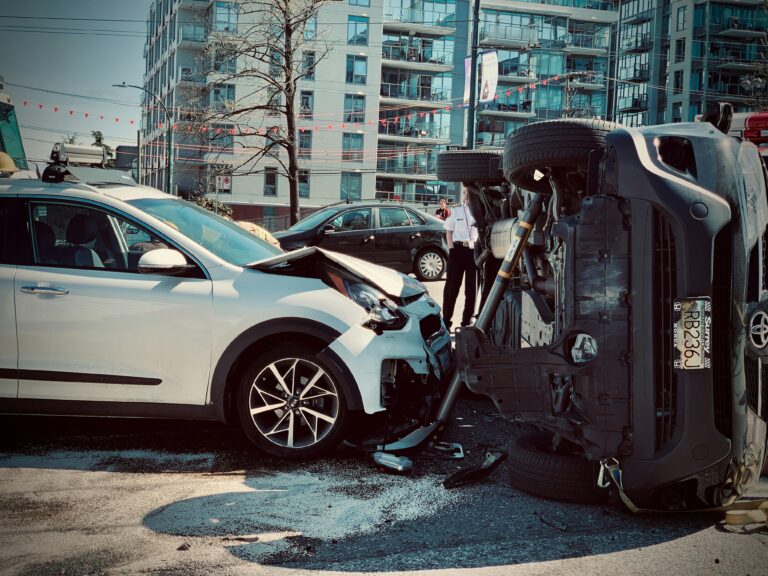
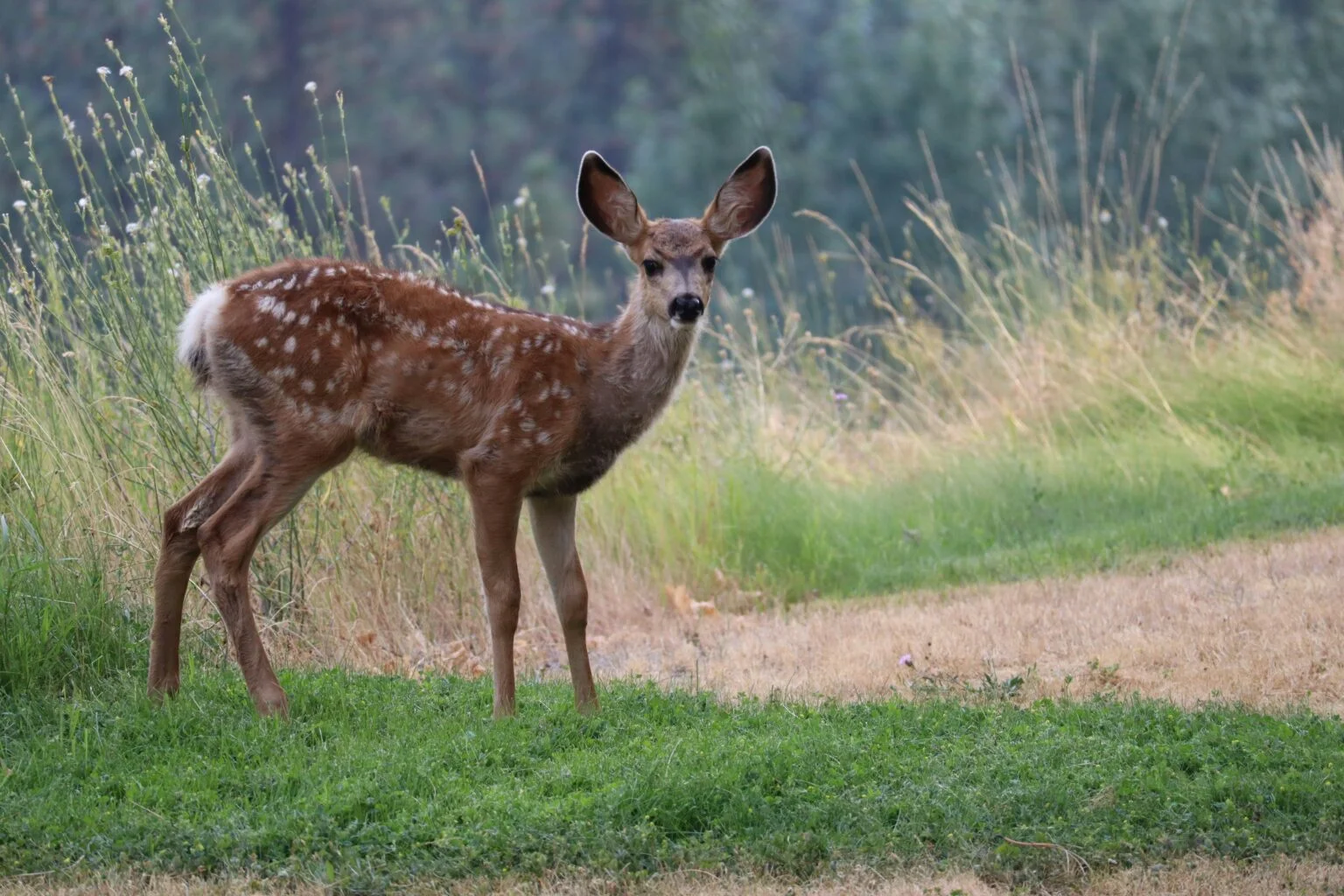
If you were hurt after swerving to avoid a deer at dusk, you may still have a Georgia injury claim, but usually not against the animal’s “owner.” Wild animals have no owner to pursue, so claims typically involve another negligent driver, such as a tailgater who rear-ended you when you braked, or your own insurance coverage. Many serious injuries happen during the swerve, when a car strikes another vehicle, a tree or a guardrail.
As daylight fades earlier in the fall, Georgia drivers see more deer and wildlife crossing suburban roads and rural highways lined with woods or fields. Here is how liability and insurance usually work, and what to do in the first 24-48 hours to protect your health and your claim.
Key Takeaways
- With wild animals, claims usually involve another negligent driver or your own coverage, not the animal.
- A driver who rear-ends you while you slow for a deer is often at fault for following too closely.
- Livestock owners have a legal duty not to let animals run at large on public roads (O.C.G.A. § 4-3-3).
- Hitting a deer is typically a comprehensive claim for vehicle damage; swerving into a fixed object is usually a collision claim.
- Most Georgia injury claims must be filed within two years (O.C.G.A. § 9-3-33).
Why Dusk in the Fall Is the Danger Zone
Low sun angles and shadowed tree lines make animals hard to see until they are already in the lane. Deer often travel in groups, so a second or third deer may dart out after the first crosses. Wet leaves and light rain reduce traction, and drivers following too closely have little time to react when the car ahead brakes.
Even at city speeds, these crashes can cause concussions, whiplash, shoulder and knee injuries and fractures, and vehicle damage is often significant.
Who Can Be Liable in a Deer or Wildlife Crash
Another negligent driver. If you slowed or stopped for a deer and were rear-ended, the following driver is often responsible for not keeping a safe distance under Georgia’s following-too-closely law, O.C.G.A. § 40-6-49. Fault is not automatic, though. Learn more in our guide to Georgia rear-end accidents.
A commercial driver. A truck or delivery driver whose speed or following distance turns one driver’s braking into a pileup may be responsible, and commercial policies often carry higher limits.
A livestock owner. Cows, horses and other livestock are different from wild animals. Under O.C.G.A. § 4-3-3, “No owner shall permit livestock to run at large on or to stray upon the public roads of this state.” If a broken fence or other negligence let animals onto the road, the owner and their insurer may be responsible.
A government entity, rarely. Claims against a city or county for signage or vegetation are highly fact-specific, often limited by immunity, and subject to written notice deadlines of six months for a city (O.C.G.A. § 36-33-5) or 12 months for a county (§ 36-11-1).
Under Georgia’s modified comparative fault rule, your recovery is reduced by your share of fault and barred if you are 50% or more at fault (O.C.G.A. § 51-12-33). Insurers may argue that a driver swerved unnecessarily, so evidence of what you faced matters.
What to Do After a Deer Collision or Swerve-to-Avoid Crash
- Call 911 and request a medical evaluation. Concussion, neck and back symptoms often appear hours later, and early records tie your injuries to the crash.
- Stay off the roadway if possible. Turn on your hazard lights and set out triangles or flares if you have them and it is safe.
- Document the scene and conditions. Photograph your vehicle, the lane, skid marks, glass and debris, leaf cover, wet pavement and nearby tree lines or fields. Capture the lighting at the time.
- Photograph the animal if it is safe. A quick photo of the deer in or near the road can support your report.
- Identify other vehicles and witnesses. Get names and phone numbers for drivers who braked with you, anyone who struck you and bystanders who saw the animal.
- Ask for nearby video. Homes and businesses often have doorbell or parking-lot cameras. Request that footage be preserved.
- Do not speculate to insurers. Report the basics, but avoid recorded statements about speed or fault until you have spoken with a lawyer.
- Follow your treatment plan. Keep all appointments and receipts.
Insurance That May Help, Even When No One Else Hit You
- Comprehensive coverage typically pays for vehicle damage when you hit a deer.
- Collision coverage usually applies if you swerved and hit a tree, guardrail or other fixed object.
- MedPay, if you carry it, can pay early medical bills regardless of fault.
- Health insurance covers ongoing care while liability is sorted out.
- Uninsured/underinsured motorist coverage matters if another driver contributed to the crash and has low limits or leaves the scene. Hit-and-run claims require physical contact or an independent eyewitness, so witness names are important. Read why your own insurer may fight a UM claim.
A single-vehicle crash with no other driver at fault usually means relying on your own coverage. When another driver forced you off the road or rear-ended you, a liability claim may also be available.
Injuries, Damages and Prevention
Deer-related crashes often cause whiplash and herniated discs, concussions with headaches and light sensitivity, shoulder and knee injuries from bracing, fractures and anxiety about driving at night. When another party is at fault, a Georgia claim can include medical bills and future treatment, lost wages or reduced earning capacity, pain and suffering, and vehicle repair or replacement, plus damaged items like car seats, glasses and phones.
To lower your risk on fall evenings:
- Slow down near tree lines and fields at dawn and dusk, and scan the shoulders.
- Assume more deer will follow the first one, and do not speed up right after one crosses.
- Keep your windshield clean, replace worn wipers and use headlights at dusk and in rain.
- Leave extra following distance on wet or leaf-covered roads.
- If a collision cannot be avoided, brake firmly and avoid swerving into oncoming lanes or off the road.
Frequently Asked Questions
Who Is at Fault If I Swerve to Avoid a Deer and Crash?
If no one else was involved, there is usually no one else to hold responsible, and your own insurance coverage is the main source of help. If another driver was following too closely or forced you off the road, that driver may be at fault. Georgia divides fault by percentage, so the facts matter.
Does Car Insurance Cover Hitting a Deer?
Usually, if you carry comprehensive coverage, which typically covers damage from hitting an animal. If you swerved and hit a tree or guardrail instead, collision coverage usually applies. Check your policy and deductibles.
Can I Sue the Owner If I Hit a Cow or Horse in the Road?
Possibly. Georgia law says owners may not permit livestock to run at large on public roads. If the owner was negligent, for example by ignoring a broken fence, the owner and their insurer may be responsible for your injuries.
How Long Do I Have to File a Claim?
Most Georgia personal injury claims must be filed within two years (O.C.G.A. § 9-3-33). See our guide to Georgia injury deadlines.
If a deer or wildlife encounter turned your evening drive into an emergency and another driver played a part, The Gunn Law Group can review what happened in a free, no-obligation consultation. Learn more about our car accident work, and remember there is no attorney fee unless we win. Call 888-BIG-GUNN (888-244-4866). Hablamos español.