If you were hit by a food delivery driver in Georgia, you may be able to recover compensation from the driver, the driver’s insurance, and in some cases insurance maintained by the delivery app or the restaurant. Who pays depends largely on whether the driver was an employee or an independent contractor and whether they were on an active delivery when the crash happened.
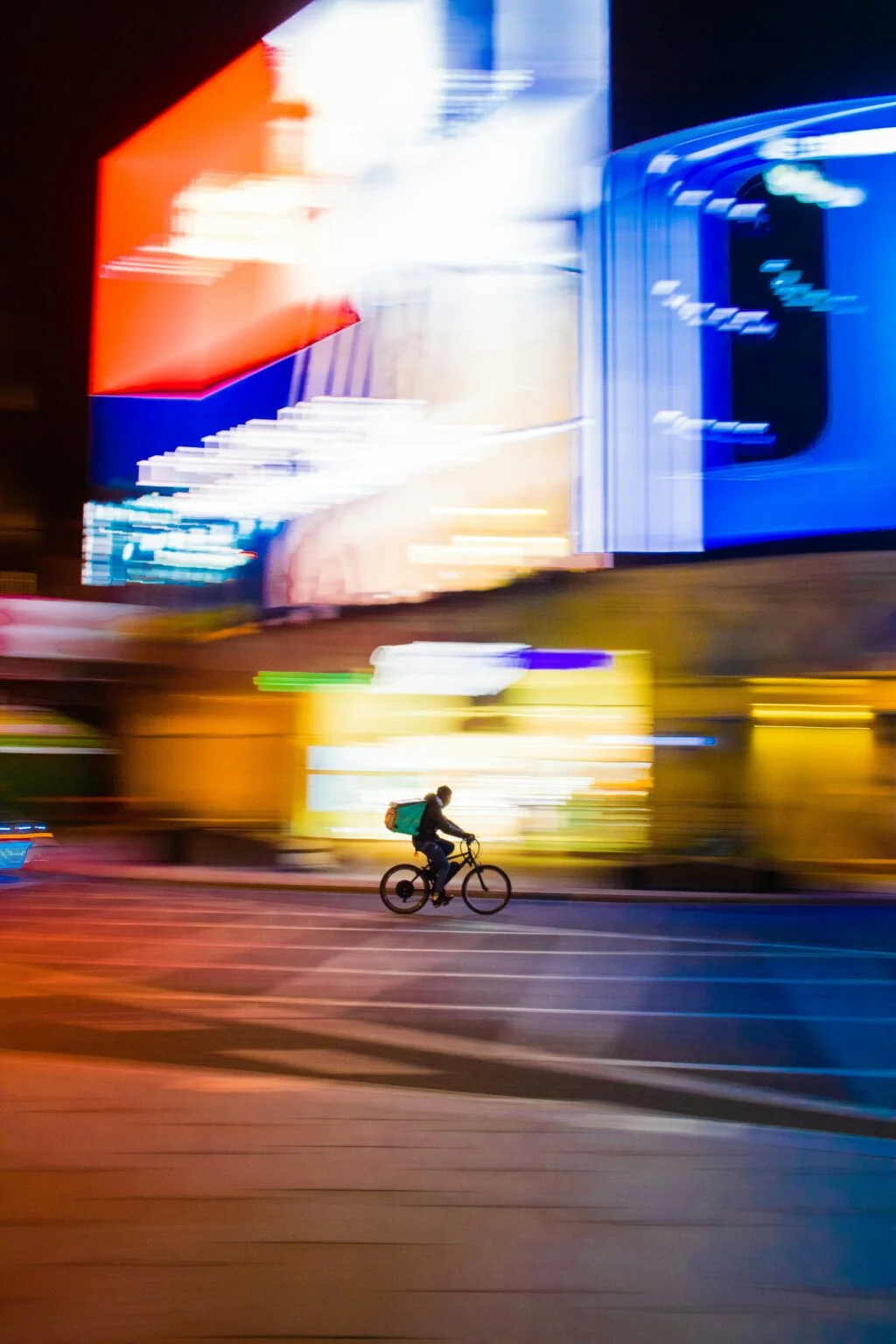
Apps like DoorDash, Uber Eats and Grubhub have put more delivery drivers on Georgia roads, often working under time pressure and relying on phone apps for directions. This guide explains why these crashes happen, who may be liable, how the insurance layers work and what to do after a crash.
Key Takeaways
- Delivery apps generally treat drivers as independent contractors, and under O.C.G.A. § 51-2-4 a company is generally not responsible for an independent contractor’s negligence, with some exceptions.
- Insurance coverage can depend on the driver’s status at the moment of the crash: offline, waiting for an order or on an active delivery.
- Some delivery platforms maintain liability coverage that applies only during active deliveries and only after the driver’s personal policy.
- Your own uninsured/underinsured motorist coverage may help if the available coverage is not enough.
- Georgia’s two-year filing deadline (O.C.G.A. § 9-3-33) applies to most injury claims, so preserve app and phone evidence early.
Why Food Delivery Accidents Happen
Delivery driving combines several known crash risks:
- Time pressure: Drivers may feel pressure to complete orders quickly to earn more or keep good ratings, which can lead to speeding and rolling stops.
- Distracted driving: Drivers often check apps, maps and customer messages. Georgia’s Hands-Free law (O.C.G.A. § 40-6-241) bars drivers from holding a phone while driving, but distraction remains a common factor.
- Fatigue: Long shifts and late-night deliveries can reduce alertness.
- Unfamiliar routes: Sudden turns, U-turns and stops while searching for addresses can surprise other drivers, pedestrians and cyclists.
- Illegal parking and double-parking: Stopping in travel lanes or bike lanes to drop off an order creates hazards for everyone.
Who May Be Liable in a Food Delivery Accident
The Delivery Driver
The driver who caused the crash is usually the primary at-fault party. Evidence such as the police report, witness statements and phone records can show whether the driver was speeding, distracted or violating traffic laws.
The Delivery Company
Most delivery apps classify their drivers as independent contractors. Georgia law, O.C.G.A. § 51-2-4, says an employer generally is not responsible for the torts of someone who runs an independent business and is not subject to the employer’s immediate direction and control. Courts look at who controls the time, manner and method of the work, so the relationship between the app and the driver can matter. Even when the company is not directly liable, its insurance may still apply.
Restaurants with Their Own Drivers
Some restaurants employ their own delivery drivers. When an employee causes a crash while making a delivery for the employer, the restaurant may be responsible for the employee’s negligence, and its commercial auto policy may apply.
Other Drivers and Vehicle Owners
Another motorist may share fault, or a vehicle owner may be responsible if poor maintenance, such as worn brakes or bald tires, contributed to the crash.
Georgia uses modified comparative fault under O.C.G.A. § 51-12-33. Your recovery is reduced by your share of fault and barred if you are 50% or more at fault.
How Insurance Works for Delivery Drivers
Insurance is often the hardest part of a delivery crash claim. Coverage may come from several sources:
| Coverage Source | When It May Apply |
|---|---|
| Driver’s personal auto policy | Often the first layer, but many personal policies limit or exclude coverage for commercial delivery use |
| Delivery platform’s liability coverage | Some platforms maintain coverage during active deliveries, usually excess to the driver’s personal policy |
| Restaurant’s commercial auto policy | When the driver is the restaurant’s employee |
| Your own UM/UIM coverage | When the at-fault coverage is missing, denied or too low |
For example, DoorDash says the auto liability insurance it maintains applies only during active deliveries, from accepting an offer through drop-off, and is excess to the driver’s personal policy. Terms vary by company and change over time, so the exact policy language matters.
Georgia requires minimum liability limits of $25,000 per person, $50,000 per accident for bodily injury and $25,000 for property damage. If those limits are not enough, your own uninsured/underinsured motorist coverage may help. Under O.C.G.A. § 33-7-11, UM coverage is “added on” to the at-fault driver’s limits by default unless you chose reduced coverage in writing. Our guide to Georgia UM coverage explains more.
What to Do After a Food Delivery Accident
- Get medical care. Even injuries that seem minor should be checked and documented.
- Call the police. A crash report records the drivers, vehicles and initial observations of fault.
- Ask whether the driver was delivering. Note the app name, any delivery bags or signage, and whether the driver mentioned an order.
- Document the scene. Photograph the vehicles, damage, road conditions and your injuries.
- Get witness and insurance information. Collect names, phone numbers and insurance details from everyone involved.
- Preserve digital evidence. App activity, GPS data and phone records can show whether the driver was on an active delivery or using the phone, and a lawyer can send preservation letters before that data is lost.
- Be careful with insurers. Avoid recorded statements or quick settlements until you understand every policy that may apply.
Compensation for Food Delivery Accident Victims
If another party is responsible, you may be able to recover:
- Medical expenses: Emergency care, hospital stays, surgery and ongoing treatment.
- Lost wages: Missed work and any reduced ability to earn in the future.
- Pain and suffering: Physical pain, emotional distress and loss of enjoyment of life.
- Property damage: Vehicle repair or replacement and damaged personal property.
For claims arising on or after April 21, 2025, Georgia’s 2025 tort reform law (SB 68) may affect how medical expenses are proven. Learn more about car accident claims and how damages are calculated.
Frequently Asked Questions
Can I Sue DoorDash, Uber Eats or Grubhub Directly?
Sometimes, but not always. Because most apps classify drivers as independent contractors, the company may not be directly liable for the driver’s negligence. Even so, the platform’s insurance may cover your claim if the driver was on an active delivery.
What If the Delivery Driver Was Between Orders?
Coverage can change depending on the driver’s status. If the driver was logged in but not on an active delivery, platform coverage may not apply, leaving the driver’s personal policy and your own UM coverage as the main sources of recovery.
Is Food Delivery Different from an Uber or Lyft Crash?
Yes. Rideshare companies that carry passengers have their own insurance structure, while food delivery coverage depends on each platform’s policies. Our rideshare accident page covers passenger transport claims.
How Long Do I Have to File a Claim?
In most cases, you have two years from the date of the crash to file a personal injury lawsuit in Georgia. Property damage claims generally have four years. Read about the Georgia personal injury deadline and its exceptions.
If you were hurt in a crash with a food delivery driver, The Gunn Law Group can help you sort out the insurance and liability questions in a free, no-obligation consultation. There is no attorney fee unless we recover for you, and hablamos español. Call 888-BIG-GUNN (888-244-4866).