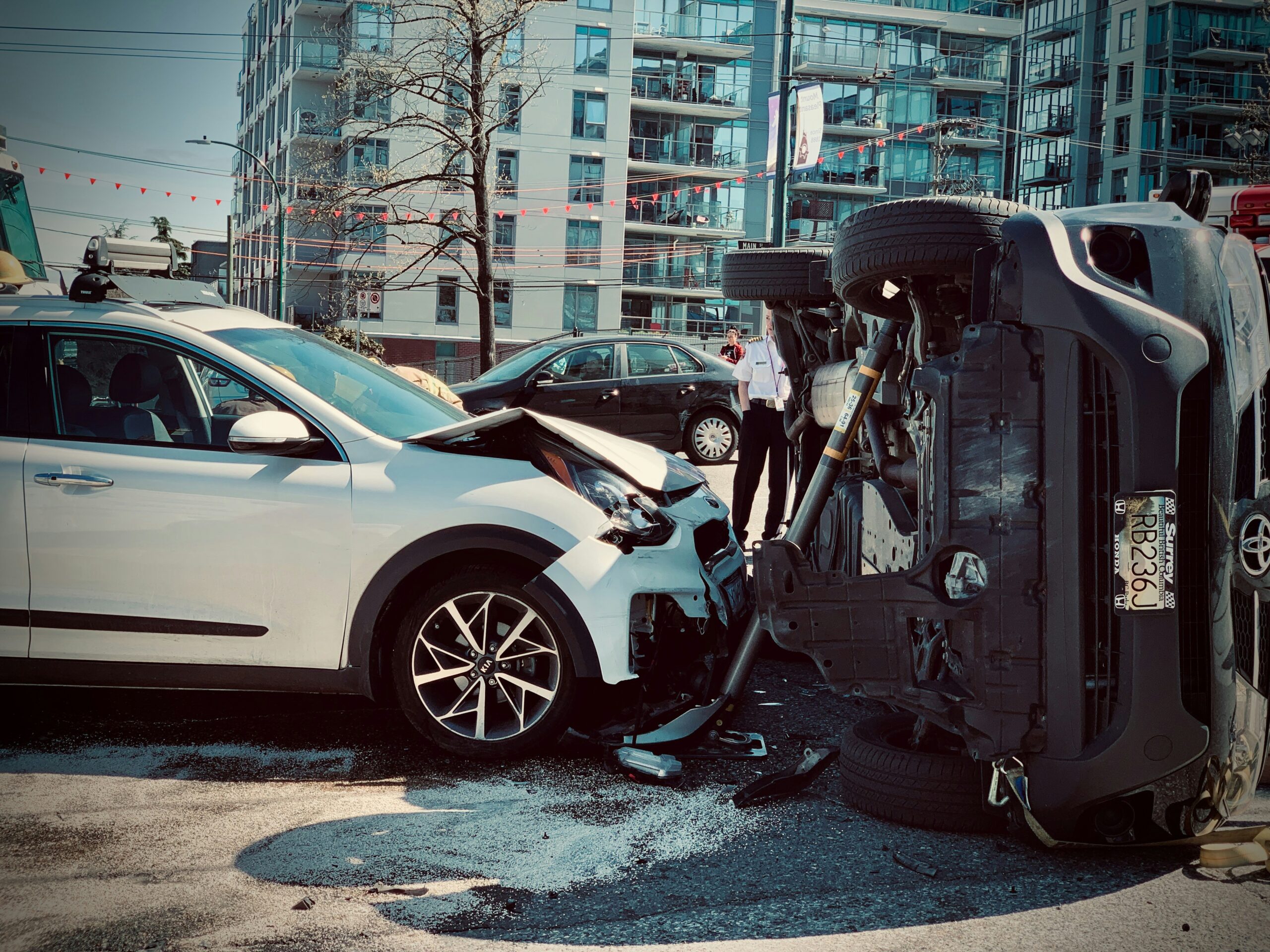
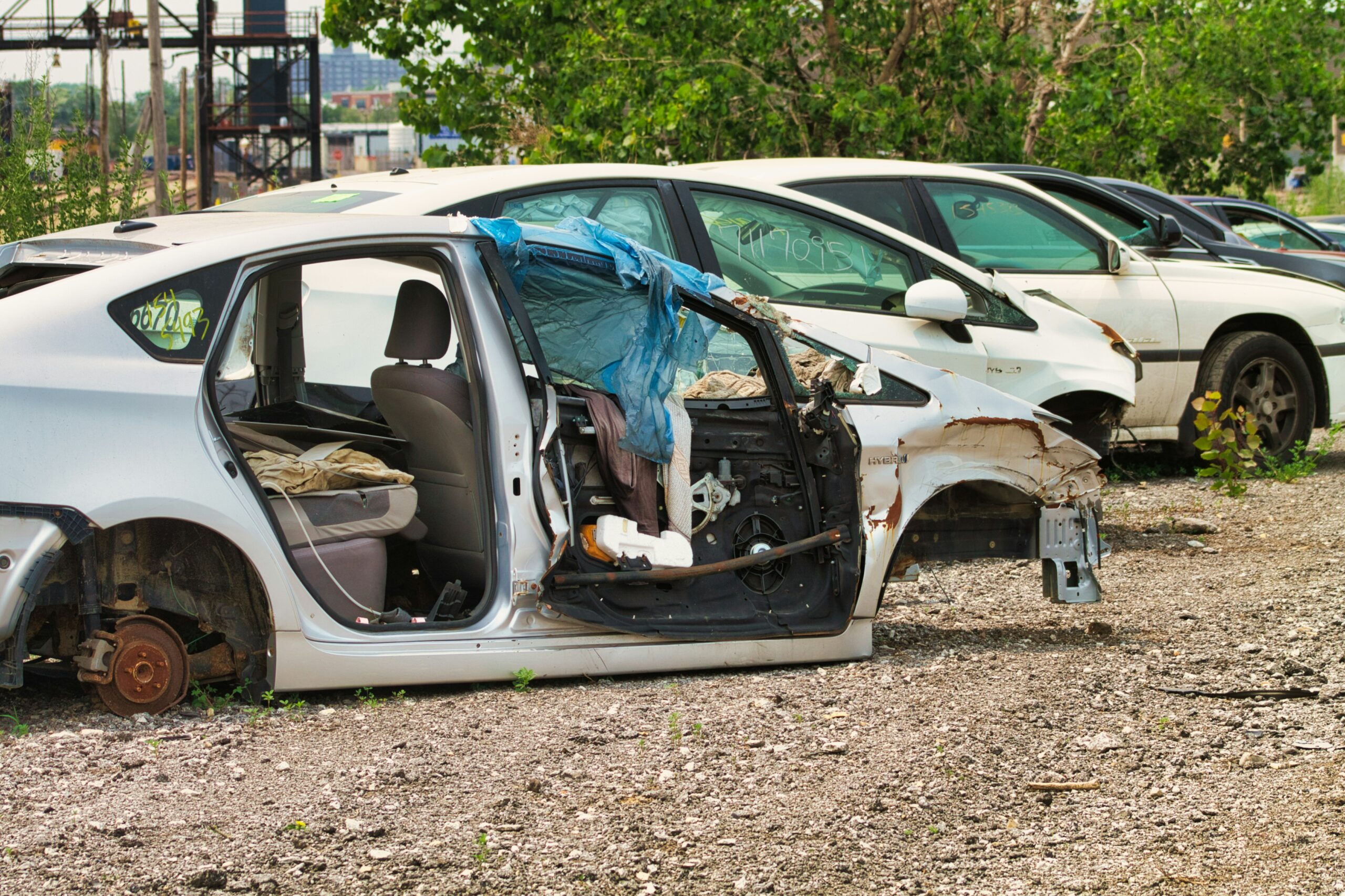
August in Georgia means pavement temperatures well over 120 degrees on the interstates — and it’s exactly when tire failures spike. A blowout at 70 mph on I-75 can send a car across three lanes, flip an overloaded SUV, or turn an 18-wheeler’s shredded retread into a deadly obstacle for everyone behind it. If a tire failure caused your crash — yours or someone else’s — the case is more complicated, and often more valuable, than a standard wreck.
Why Heat Kills Tires
- Heat raises tire pressure and accelerates the breakdown of rubber compounds — underinflated or aging tires fail first.
- Long-haul trucks running hot, heavy, and on retreads shed “road gators” that cause secondary crashes.
- Summer road-trip loading (cargo boxes, trailers, packed SUVs) pushes tires past their rated limits.
- Six-year-old “new-looking” tires with full tread can still fail — rubber ages even in storage.
A Blowout Is Not Automatically “Just an Accident”
When the other driver’s tire failed and they hit you, expect their insurer to call it an unavoidable accident. Georgia law says otherwise more often than not. Drivers and companies have a duty to maintain their vehicles — and a failure that traces to bald tread, chronic underinflation, ignored warnings, or skipped inspections is negligence, not bad luck.
- Commercial trucks: federal safety regulations require pre-trip inspections and documented tire maintenance. Blown retreads, out-of-service-worthy tread depth, and falsified inspection logs turn a “blowout defense” into a liability case against the carrier.
- Passenger vehicles: a driver who ran on visibly bald or damaged tires can be negligent for the failure itself.
- Defective tires: tread separation is a known failure mode with a long product-liability history. If a tire failed catastrophically without an obvious maintenance cause, a claim against the manufacturer — or against a shop that sold, patched, or mounted it improperly — may exist.
The evidence rule that decides these cases: keep the tire. The single biggest mistake in tire-failure cases is letting the vehicle — and the failed tire — go to the crusher. The carcass is the proof: experts read tread separation, aging, impact damage, and repair history from it. A preservation letter needs to reach the tow yard before the vehicle is destroyed, which is a matter of days, not months.
If You Lost Control After Your Own Blowout
Even single-vehicle blowout crashes can have compensation paths: a defective tire claim, a claim against the shop that just “inspected” the car, or a road-hazard claim in limited cases. And if a blown truck tire on the roadway caused you to swerve and crash, that can be an uninsured motorist “John Doe” style claim or a claim against the carrier whose debris caused it — witness and dashcam evidence is critical.
August Tire Safety (and Evidence) Checklist
- Check pressure monthly in summer — set it to the door-jamb sticker, not the max on the sidewall.
- Check the DOT date code: tires older than 6 years are candidates for replacement regardless of tread.
- After any blowout crash: photograph the tire, all its markings, the tread, and the scene — and do not authorize vehicle disposal.
- Get the police report, medical care the same day, and skip recorded statements.
- The two-year deadline (O.C.G.A. § 9-3-33) applies — but the tire itself may only survive for days.
The Big Gunn Digs Into the Rubber
Gunn Law Group treats tire-failure wrecks like the engineering cases they are: preserve the tire, pull the maintenance and inspection records, and put every responsible party — driver, carrier, manufacturer, or shop — on the hook. Don’t let “it was just a blowout” close a case that deserved a real investigation.
Call 888-BIG-GUNN (888-244-4866) for a free case review. No fee unless we win. #CALLTHEBIGGUNN
This article is general information, not legal advice. Every case is different — talk to an attorney about your specific situation.