As temperatures drop in November, Georgia homes and apartments see a surge in space-heater use, overloaded outlets, and makeshift heating setups. Unfortunately, that’s when preventable fires, smoke inhalation injuries, and burn accidents spike—especially in older buildings with weak wiring, missing smoke alarms, or blocked exits. If you or a loved one is hurt in a heating-related incident, here’s how Georgia law views these cases and how to protect your health and your claim.
Why heating season raises injury risk
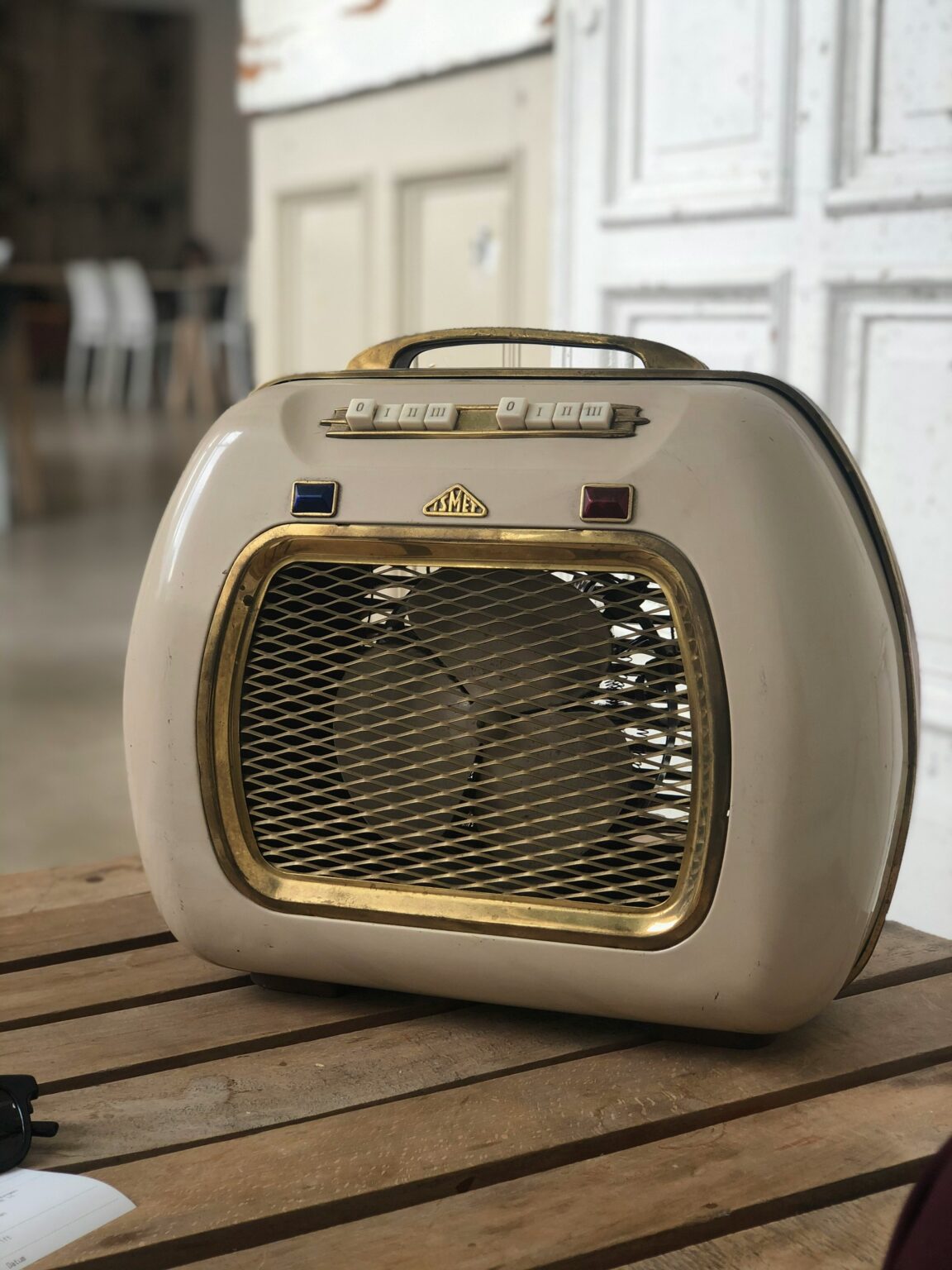
Portable space heaters and improvised heat sources are a leading contributor to severe home heating fires nationwide. The National Fire Protection Association reports that heating equipment is a major driver of home-fire deaths, with space heaters responsible for a disproportionate share of fatalities when combustibles are too close or devices tip over. Those risks climb at night, in small bedrooms, and in units with cluttered pathways or damaged outlets.
Who may be liable under Georgia law
Georgia is a fault state. Landlords, property managers, and building owners owe invited residents and guests a duty of ordinary care to keep premises and approaches reasonably safe. That can include maintaining lighting and alarms, addressing known electrical hazards, and ensuring exits and common areas are safe. If they fail and someone is injured, they can be responsible for resulting damages.
Smoke alarms and code basics
Georgia law requires smoke detectors in dwellings, and state rules reference NFPA 72 installation standards. Missing, nonfunctional, or poorly located alarms can turn a small incident into a catastrophe and may factor into liability and insurance coverage. If you’re injured and an alarm failed to sound, preserve the device and report its status in writing.
Product defects and the ten-year clock
If a heater, power strip, or adapter malfunctions, Georgia product-liability law allows claims against manufacturers and sellers—but most product claims face a ten-year statute of repose running from the product’s first sale. That outside deadline makes early evidence preservation and model identification essential.
What to do right away after a heater or apartment fire (health first, proof second)
Seek medical care immediately, even if symptoms feel limited to smoke exposure. Inhalation injuries, burns beneath blistered skin, and carbon-monoxide effects are often underestimated on day one. Photograph the scene before anything is tossed or cleaned: the heater’s position, distance to bedding or curtains, extension cords or power strips, the outlet faceplate, scorch patterns, and the path to the exit. Secure and bag the heater, plug, power strip, and any tripped breakers or fuses—do not discard them. Identify witnesses, note the locations of smoke alarms, and record whether they sounded and when. For apartments or short-term rentals, submit a written incident report to the landlord or platform and request that all camera footage, maintenance logs, and alarm inspection records be preserved.
Common injury patterns and damages
Heating-related incidents often cause second- and third-degree burns to hands, arms, and face, smoke inhalation with cough and headaches, tendon and joint injuries from urgent evacuations, and anxiety or sleep disturbance after the event. A Georgia claim can pursue compensation for ER and follow-up care, burn surgery and scar management, respiratory treatment, future medical needs, lost wages or reduced earning capacity, pain and suffering, and damaged personal items (glasses, phones, laptops). When landlord neglect or code violations contribute, building-owner liability can significantly expand available coverage beyond a tenant’s renters policy.
Evidence that moves cases
Strong cases are built on fast, detailed preservation. Your legal team will seek 911 audio, body-cam and fire-investigation reports, alarm inspection logs, work orders, and vendor records for recent electrical or HVAC repairs. In product cases, model numbers, date codes, UL/ETL listings, and teardown inspections help pinpoint defects and match recall notices. In premises cases, we examine lighting levels, exit access, prior complaints, and whether management inspected and corrected hazards reasonably for the season. Coupled with your medical documentation, that evidence helps establish fault and full value.
Insurance paths that may apply
- Landlord or property-owner liability if negligent maintenance, missing alarms, or blocked egress contributed.
- Product manufacturer/seller coverage for defective heaters, cords, or power strips—subject to the statute of repose.
- Your health insurance to keep treatment moving while liability is sorted out.
- Renters or homeowners MedPay where available for early bills.
- Your own property coverage for smoke, soot, and contents loss.
Mistakes that quietly reduce case value
Throwing away the heater or power strip, failing to document the device’s location and clearances, gaps in medical care, speculative recorded statements to insurers, and social-media posts about the incident can all weaken your claim. Keep communications factual and brief until you’ve spoken with counsel.
Safety notes for the rest of the season
Use only modern space heaters with tip-over and overheat shut-offs, keep a three-foot clearance around the unit, plug directly into a wall outlet (never into power strips or extension cords), and turn devices off when sleeping or leaving the room. Place heaters on flat, hard surfaces, route cords where they cannot be pinched or tripped over, and keep children and pets out of the “heater zone.” If you are a landlord or property manager, verify alarms work before cold snaps, illuminate exits, clear pathways, and address electrical complaints promptly.
How Gunn Law Group helps after a heater or apartment-fire injury
We move fast to secure what disappears first—video, alarm logs, work orders, and the heater and components themselves. We coordinate expert inspections, identify every potentially responsible party (owner, manager, contractor, manufacturer, seller), and find every layer of insurance so one minimal policy doesn’t cap your recovery. Then we document the full medical picture, from burn care and scar revision to respiratory follow-up and wage loss, and negotiate from evidence—not guesses.
If a space heater or apartment fire turned a cold night into a hospital visit, don’t try to battle multiple insurers alone. Need a home run? Call the Big Gunn at 888-BIG-GUNN for a free case review with an Atlanta personal injury lawyer who knows how to win heating-season premises and product claims.