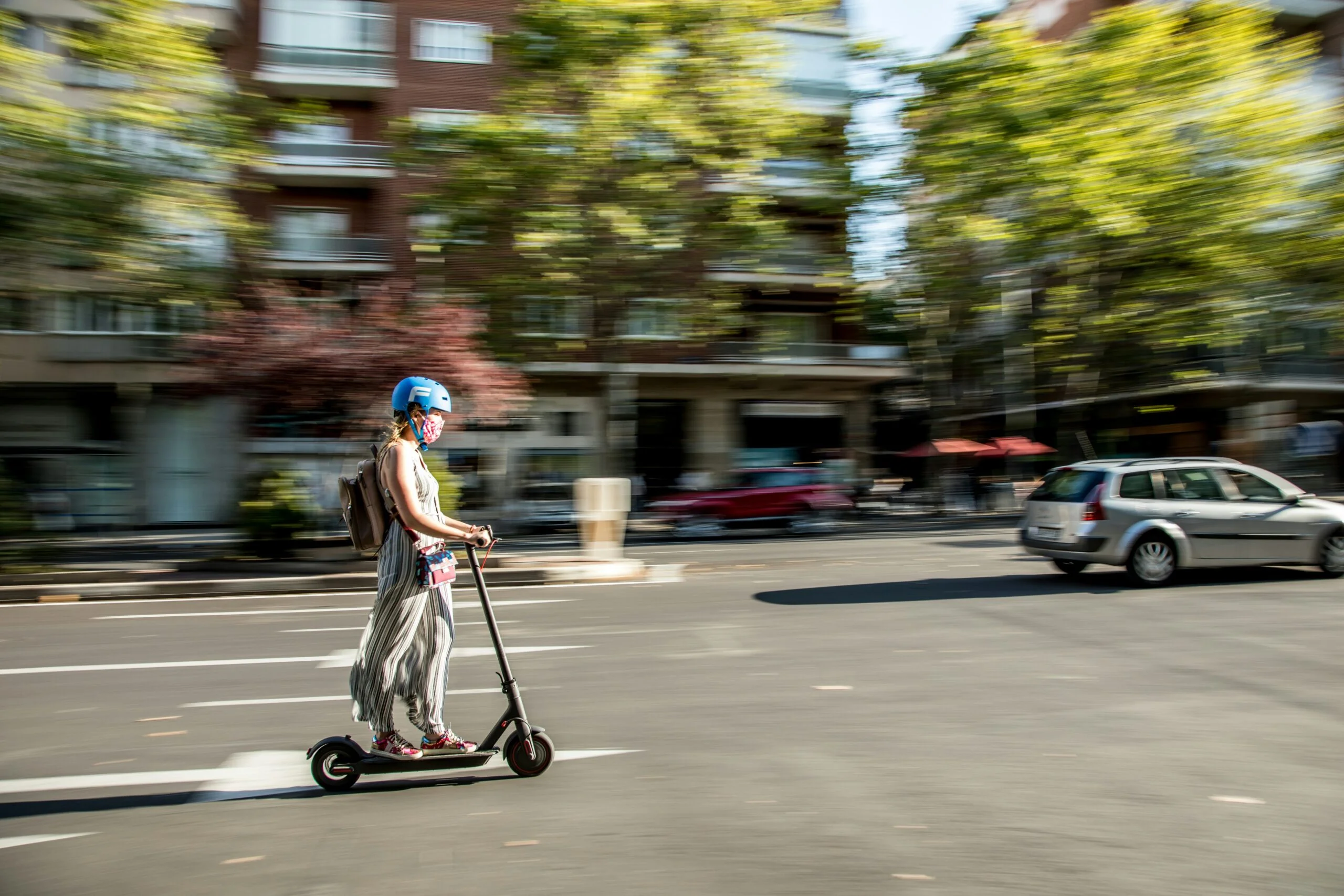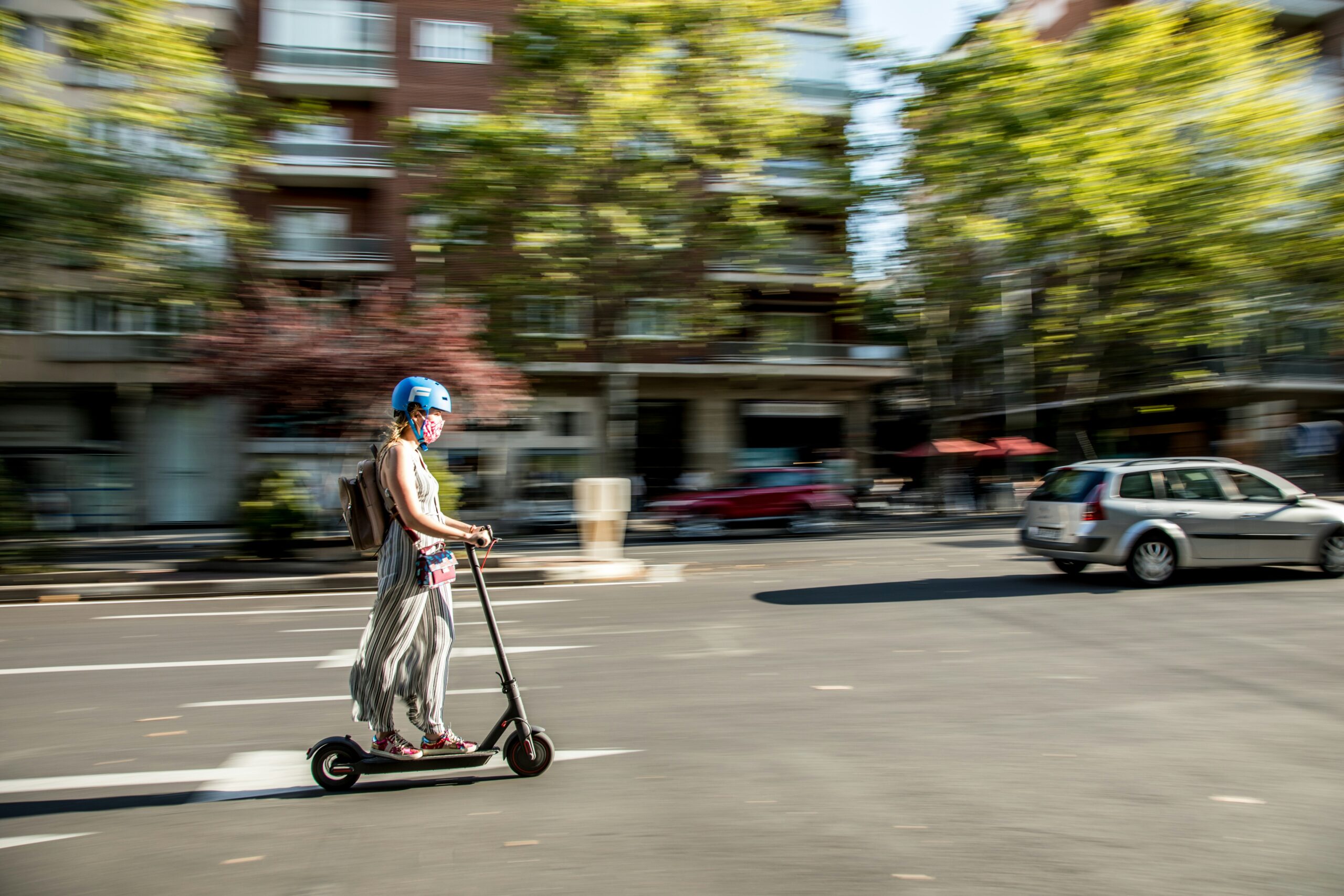
Atlanta’s fall calendar is packed with festivals, homecomings, and campus events—exactly when e-scooters and e-bikes surge onto roads, sidewalks, and bike lanes. These rides are convenient, but when a driver turns through a bike lane, a pedestrian steps out between cars, or a pothole tosses a rider, the injuries can be serious and the claims surprisingly complex. If you or a family member is hurt on an e-scooter or e-bike—or struck by one—here’s how Georgia law treats these cases and what to do in the first 24–48 hours to protect your health and your claim.
E-micromobility crashes look simple until you try to untangle fault and coverage. Was the rider in a bike lane with the right of way? Did a rideshare or delivery vehicle block the lane? Was the scooter defective or poorly maintained? Did a venue funnel crowds into a dark, uneven sidewalk with no warning? Each choice can shift responsibility among drivers, event operators, property owners, and device companies. Meanwhile, injuries are rarely “minor”: concussions and facial trauma from face-first falls, wrist and collarbone fractures from bracing, shoulder and knee injuries, road rash and scarring, and, in high-energy impacts, spine injuries or TBI. Helmets help—but most rentals don’t provide them.
Georgia is a fault state, which means the negligent party (or parties) that caused the crash is responsible for your damages. Drivers must operate safely for conditions, yield when turning across bike lanes, and keep a proper lookout in festival zones. Riders must follow traffic laws and slow for crowded sidewalks and crossings. Property owners and event organizers must keep walkways reasonably safe and warn about hidden hazards. Device providers must maintain equipment and warn about known defects. When multiple choices combine to cause harm, liability can be shared—and identifying every responsible party early can increase the total insurance available.
If a crash happens, get safe and get medical care—then move fast to preserve proof before scooters are repositioned, crowds disperse, and video is overwritten.
What to do after an e-scooter or e-bike crash
- Call 911 and get evaluated. Concussions, dental trauma, and neck/back injuries often show hours later; early records connect symptoms to the collision.
- Photograph everything before it moves. Take wide shots of the scene (lanes, crosswalks, crowding), then close-ups of the scooter/bike (ID number, brake/throttle, wheels, lighting), street defects, signage, and vehicle positions.
- Save app evidence. Screenshot your ride receipt, map, scooter ID, time stamps, and any device warnings or malfunction messages; note the device’s condition and battery level.
- Collect witness and camera info. Get contacts for bystanders, attendants, and businesses; ask nearby stores, venues, and residences to preserve exterior video; save your dash-cam files if a car was involved.
- Report it—carefully. File an incident report with the venue or property manager and within the rental app, but avoid speculating about fault; decline recorded statements to insurers until you’ve spoken with an attorney.
- Preserve gear and clothing. Helmets, backpacks, shoes, and torn clothing can show impact points, residue, or defects.
- Follow treatment plans. Keep all appointments and document symptoms (headaches, dizziness, light sensitivity, jaw pain, mobility limits); consistent care strengthens a Georgia injury claim.
Who may be liable—and why it matters
- Drivers and their insurers when a vehicle fails to yield while turning, blocks a bike lane, or opens a door into a rider (dooring).
- Rideshare or delivery platforms if a driver was on-app and commercial coverage applies.
- Event organizers and property owners for unsafe crowd routing, poor lighting, broken pavement, or unmarked hazards in foreseeable pedestrian routes.
- Scooter/e-bike companies for device defects or negligent maintenance (worn brakes, loose stems, bad tires, faulty throttles/firmware).
- Municipal contractors (in limited cases) for construction zones that leave dangerous transitions or debris without proper warnings.
When multiple parties share fault, the available insurance can stack—personal auto, commercial policies, premises insurance, product liability, and, where applicable, your UM/UIM (uninsured/underinsured motorist) coverage if a hit-and-run driver flees.
What compensation can include
Georgia law allows recovery for ER and follow-up care, imaging, dental/maxillofacial treatment, physical therapy, future medical needs, lost wages or reduced earning capacity, pain and suffering, and repair or total loss of your property (phone, glasses, laptop, bike). Visible scarring and dental injuries often require specialized experts to properly value long-term impact. In reckless cases—speeding through a festival crossing, DUI, or knowingly releasing unsafe equipment—punitive damages may be available to deter similar conduct.
Common scenarios we see—and how fault is proven
- Left-turn across a bike lane: Signal timing, lane markings, and witness video show the rider’s right of way; vehicle event-data recorders confirm speed and braking.
- Blocked bike lane by rideshare or delivery: Photos, app logs, and platform data show illegal stopping and foreseeability of forcing riders into traffic.
- Sidewalk crowd crush near venues: Lighting measurements, pedestrian-flow plans, and incident histories reveal negligent crowd management or maintenance.
- Device failure on descent: Maintenance logs, prior complaints, and expert inspection of brakes, stem bolts, and firmware connect a defect to the crash.
Prevention tips for riders and drivers around festivals and campuses
- Riders: Treat intersections like you’re invisible; slow before crossings; avoid quick swerves on painted lines and wet leaves; wear a helmet and lights at dusk; don’t assume a turning driver sees you.
- Drivers: Check mirrors before right turns; yield across bike lanes; give at least three feet when passing; avoid stopping in bike lanes; expect riders near event exits.
- Property and event operators: Light pedestrian desire lines, fix surface defects, and keep temporary routes free of cords, mats, and abrupt level changes; mark scooter corrals away from crowd pinch points.
How Gunn Law Group builds e-scooter and e-bike cases
We move quickly to preserve what vanishes first: CCTV and doorbell video, body-cam and 911 audio, dash-cam footage, and device/app data. We send preservation letters to platforms and venues, secure maintenance logs and prior-incident records, and bring in human-factors and reconstruction experts when needed. We coordinate with your medical providers to document the full scope of your injuries—orthopedic, dental, neurological, and cosmetic—and identify every available policy so one minimal limit doesn’t cap your recovery.
If an e-scooter or e-bike crash turned a great day into a hospital visit, don’t try to untangle multiple insurers on your own. Need a home run? Call the Big Gunn at 888-BIG-GUNN for a free case review with an Atlanta personal injury lawyer who knows how to win micromobility claims.