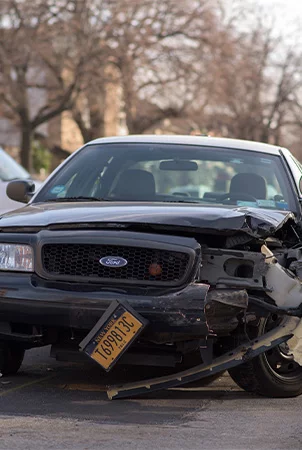
Rear-End Collisions and Georgia Liability
In Georgia, a legal presumption of negligence falls on the rear driver in a rear-end collision. This doesn’t mean it’s automatic — but it means the following driver starts with the burden of explaining why they weren’t negligent.
Why the Rear Driver Is Almost Always At Fault:
- Georgia law requires drivers to maintain a safe following distance (O.C.G.A. § 40-6-49)
- If you hit the car in front of you, you were either following too closely, distracted, or driving too fast for conditions
- The rear driver’s duty to maintain control doesn’t change based on traffic, weather, or road conditions
Common Insurance Company Defenses (and Why They Fail)
“The lead driver stopped suddenly” — Doesn’t matter. You’re required to maintain enough distance to stop safely regardless. A safe following distance accounts for sudden stops.
“The lead driver’s brake lights were out” — This may reduce the lead driver’s comparative fault percentage, but the rear driver still had a duty to maintain a safe distance and watch for hazards.
“It was a chain reaction” — In multi-car pileups, liability analysis becomes more complex, but the initial rear-end impact driver typically bears the most fault.
Why Rear-End Collisions Are More Dangerous Than They Look
Insurance companies love to call rear-end collisions “minor.” Here’s the medical reality:
- Whiplash is real. The sudden acceleration/deceleration of a rear-end impact can cause cervical spine injuries, herniated discs, and chronic pain — even at speeds as low as 5-10 mph
- Soft tissue injuries compound. What feels like a sore neck today can become chronic pain, limited range of motion, and permanent disability without proper treatment
- Concussions occur. Head impact with steering wheels, headrests, or windows — or simply the whipping motion itself — can cause traumatic brain injuries
Your Rights After a Rear-End Collision in Georgia
- You have the right to pursue compensation for all injuries — even if the impact was “minor”
- Georgia’s comparative fault law means the at-fault driver’s insurance pays, reduced by any fault on your part
- The 2-year statute of limitations applies (O.C.G.A. § 9-3-33)
- Document everything: police report, photos, witness info, and seek medical attention immediately